Pace Gallery ranks among the foremost blue‑chip galleries worldwide, representing many of the most influential artists and estates of the twentieth
and twenty‑first centuries. Founded by Arne Glimcher in 1960, Pace forged long‑standing relationships with figures such as Alexander Calder, Jean Dubuffet,
Agnes Martin, Louise Nevelson, and Mark Rothko. Its history is inseparable from its early advocacy of artists who shaped Abstract Expressionism and the
Light and Space movements. I’ve attended exhibitions here for over thirty years,
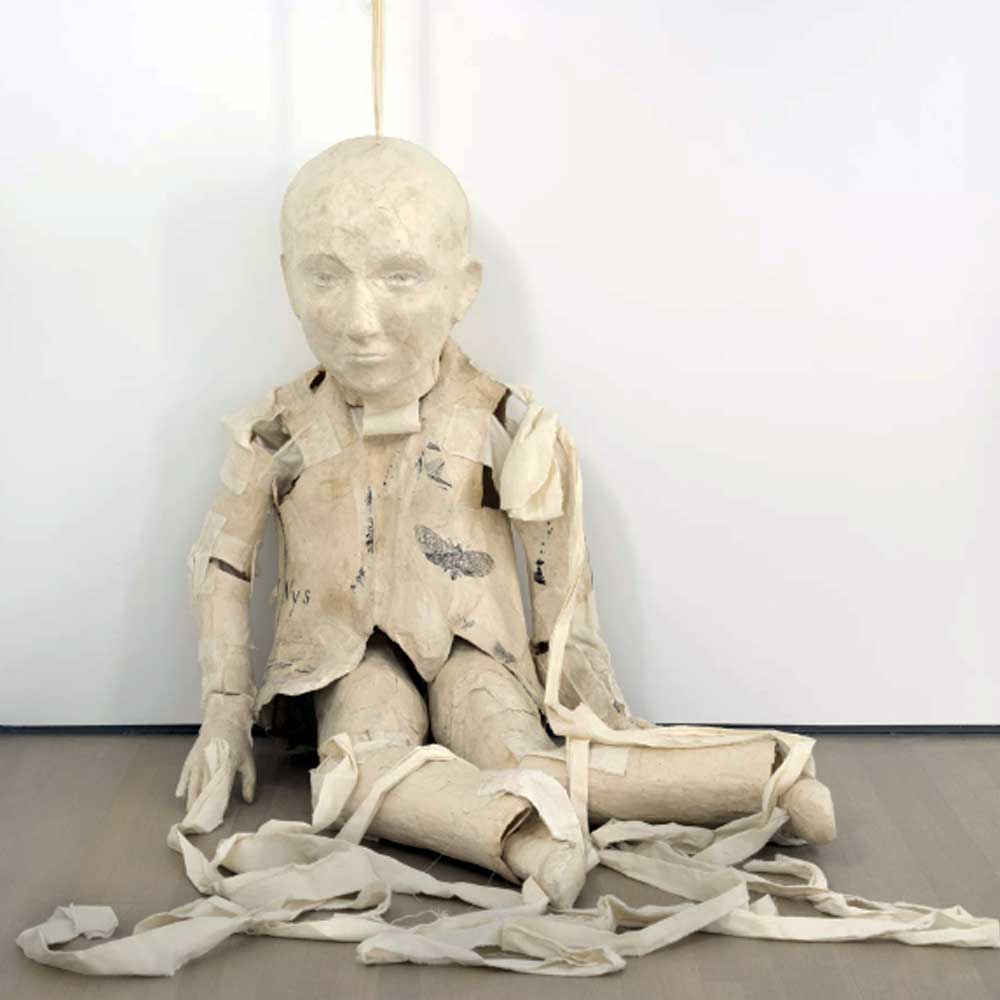
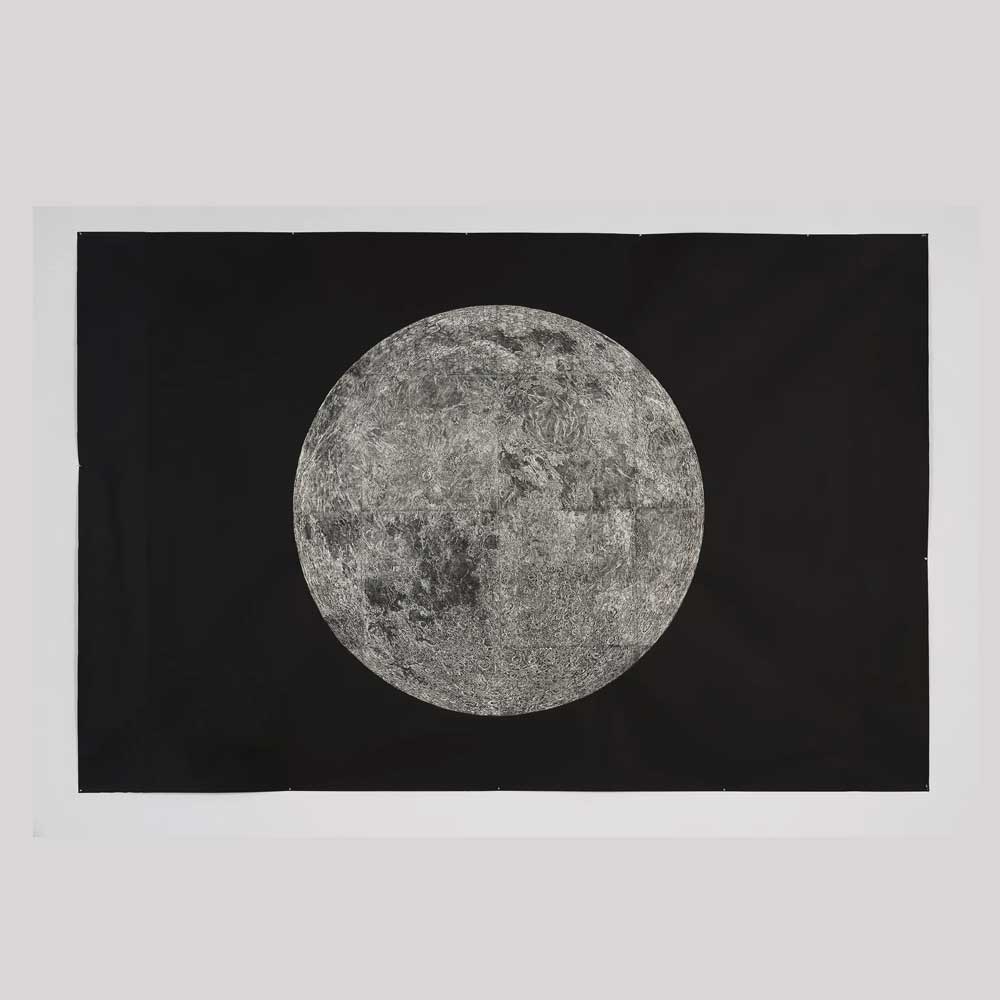
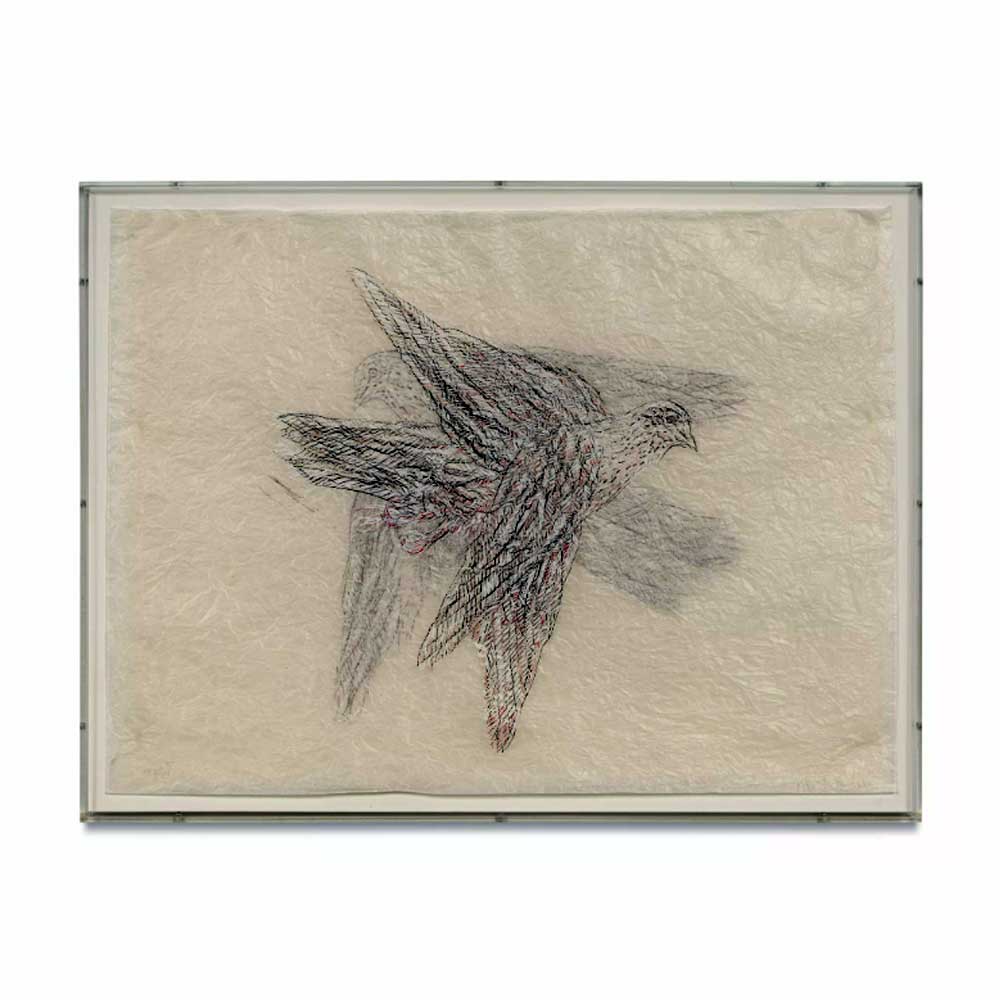
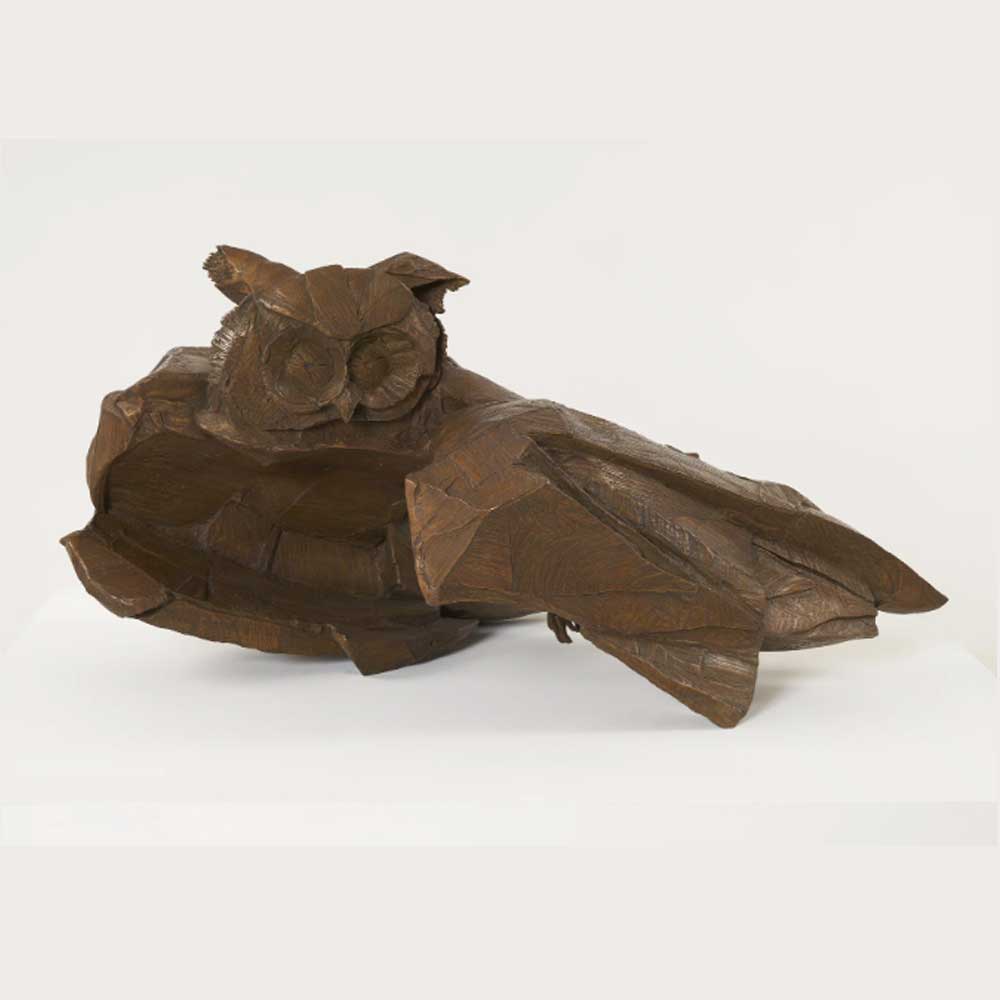
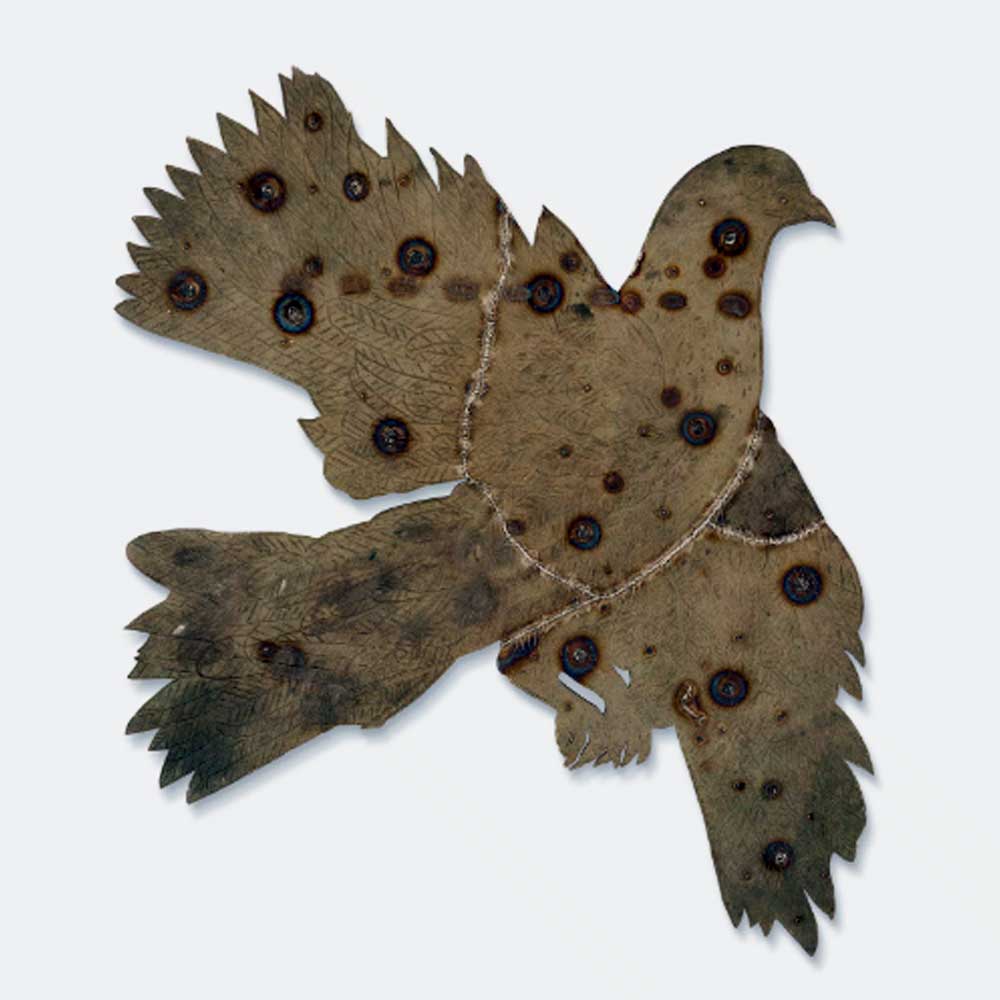
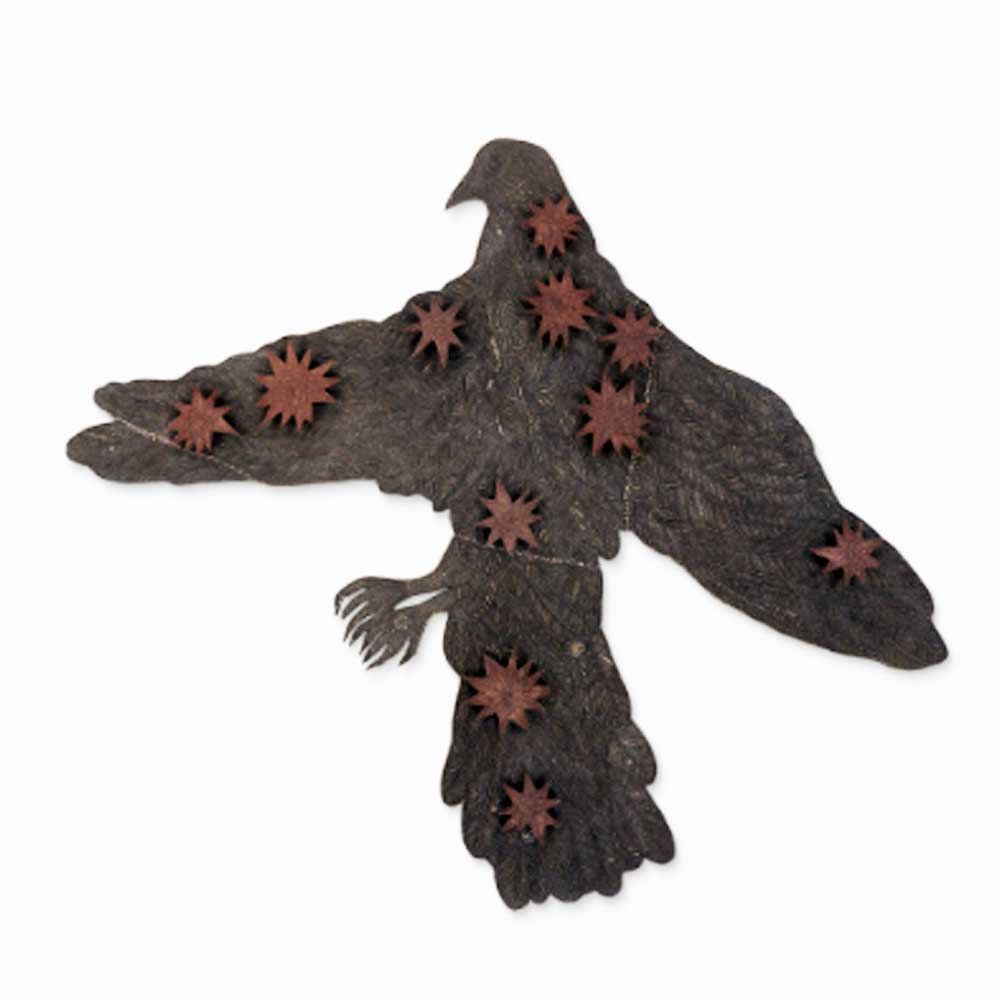
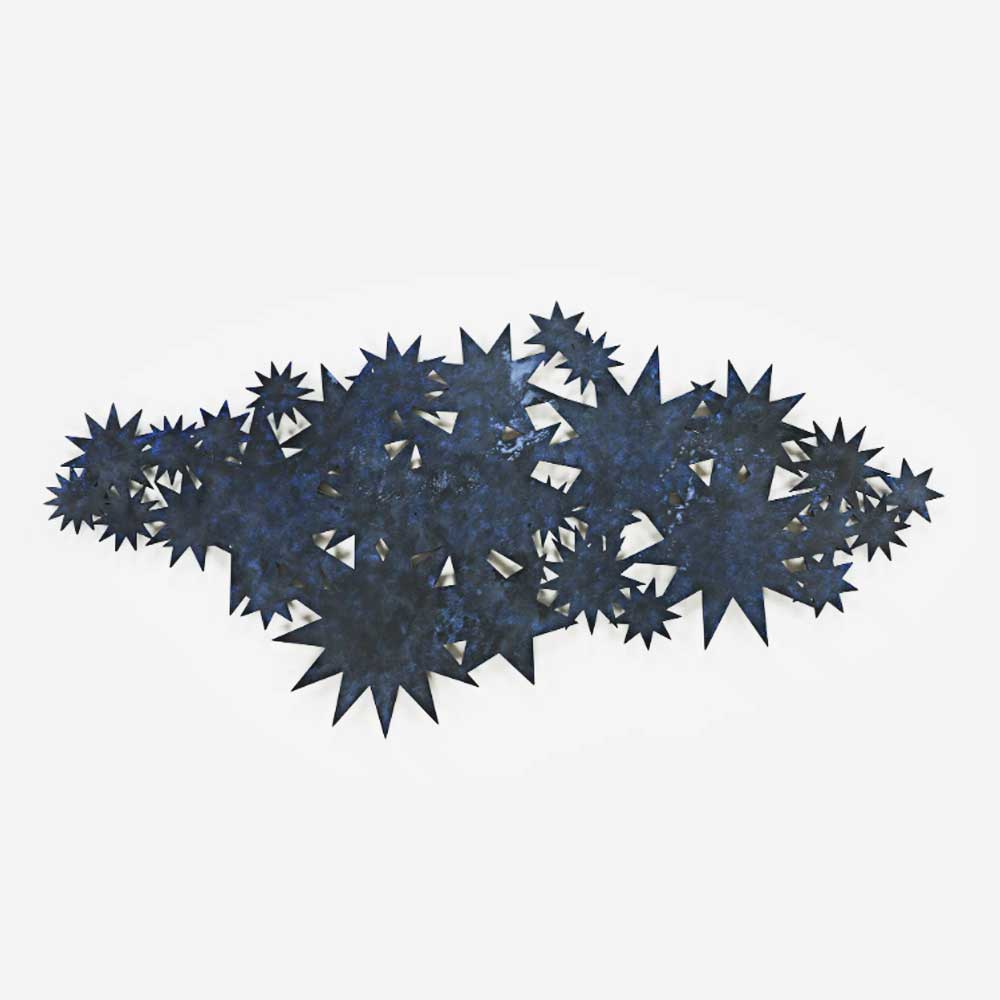
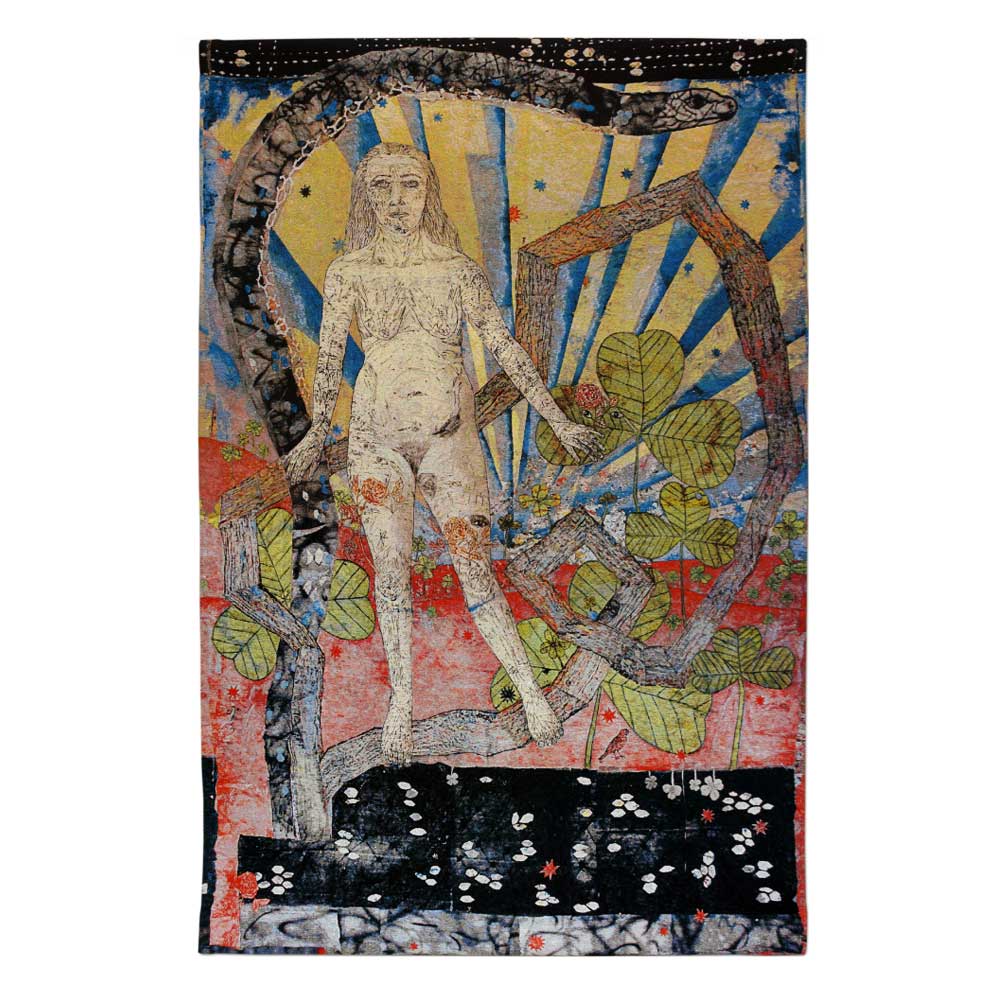
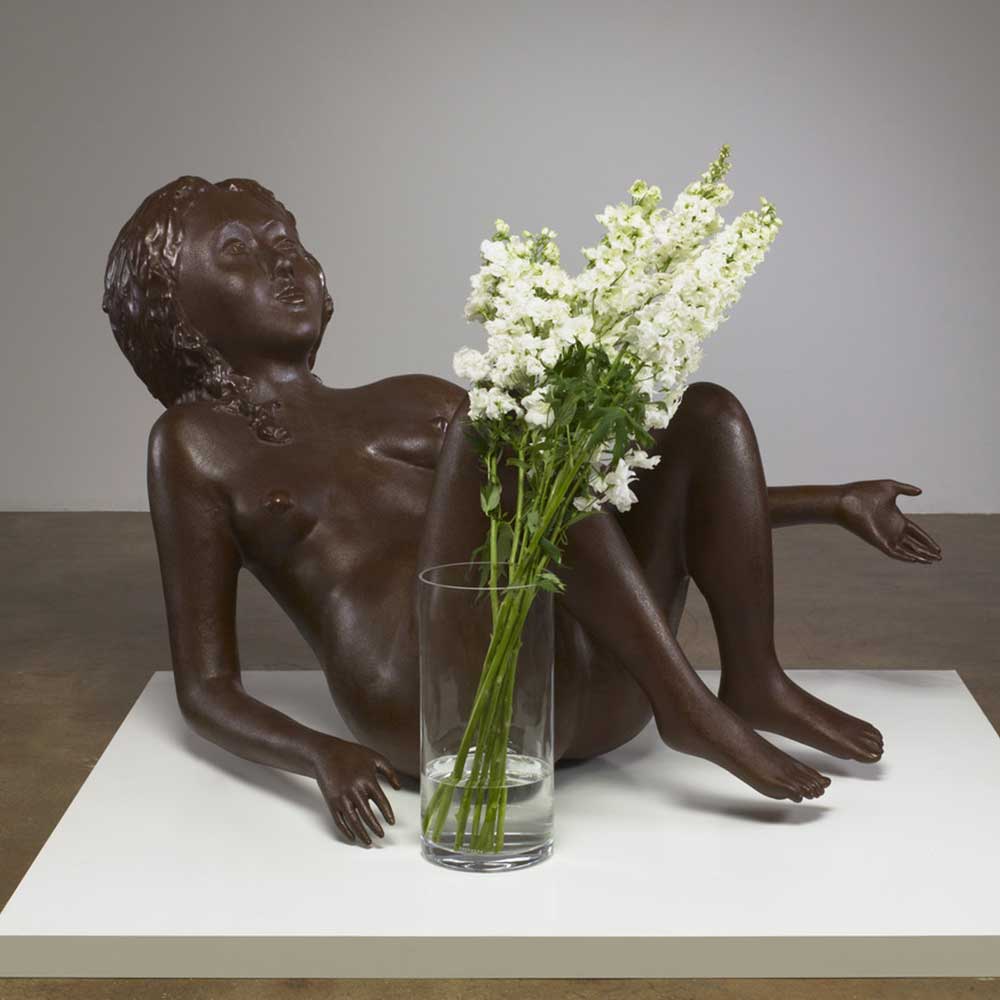
located at 540 West 25th Street, New York City. Kiki SmithKiki Smith a German-born American artist in 1954 whose work explores themes of sex, birth, and
regeneration. Her figurative practice of the late 1980s and early 1990s engaged directly with subjects such as AIDS,
feminism, and gender, while her more recent work examines the human condition in relation to the natural world. Smith
lives and works on the Lower East Side of Manhattan and in the Hudson Valley.
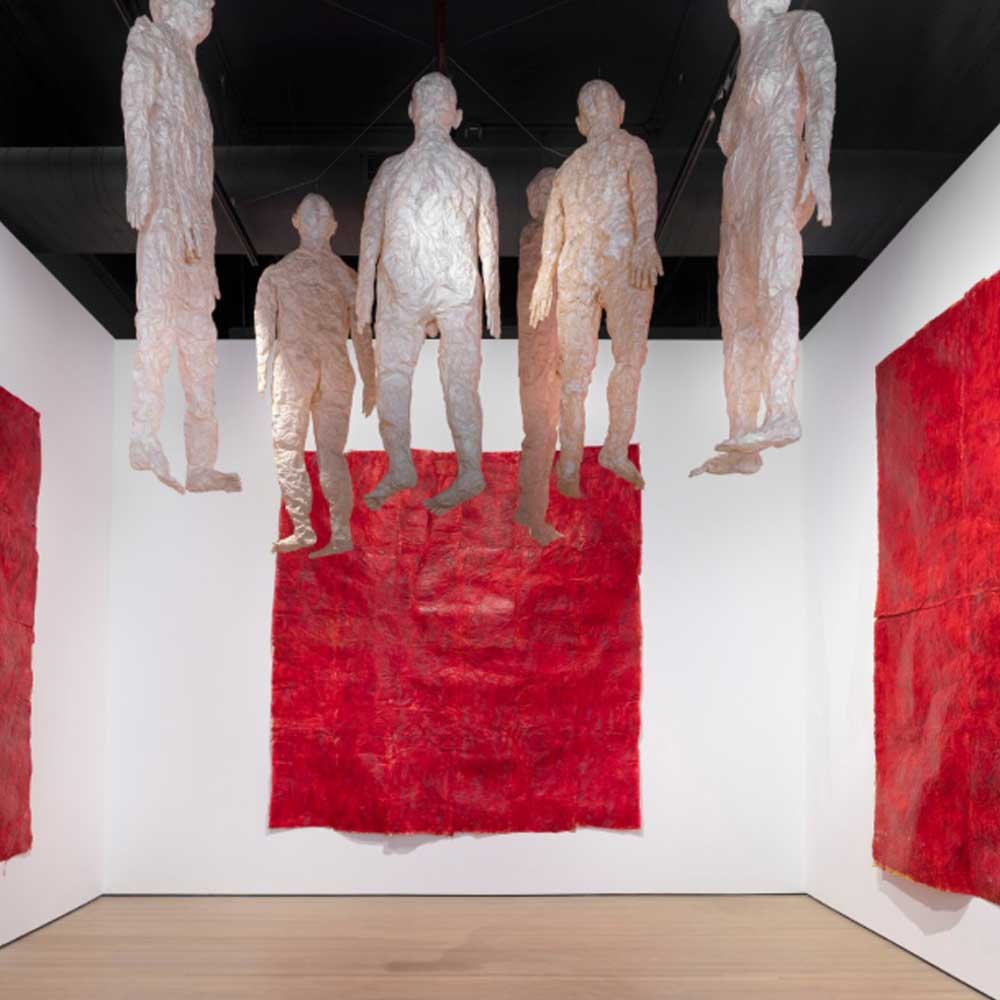
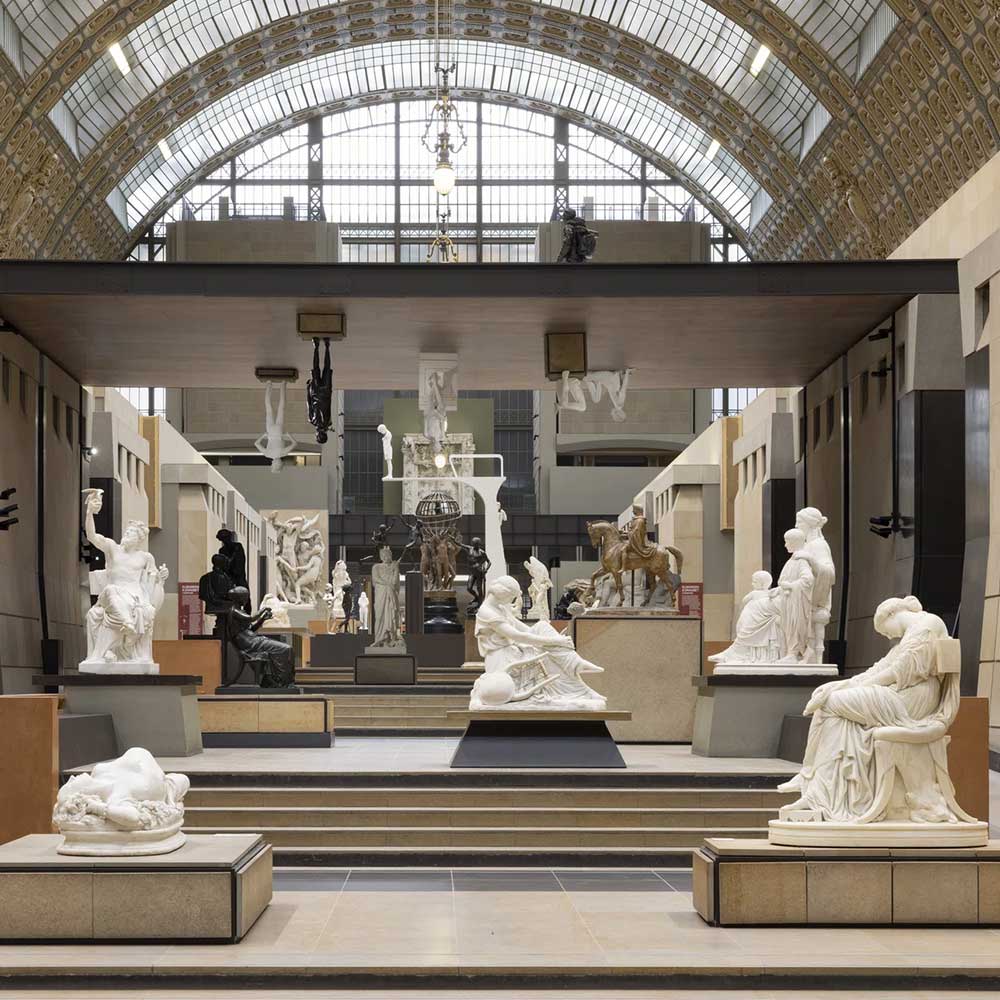
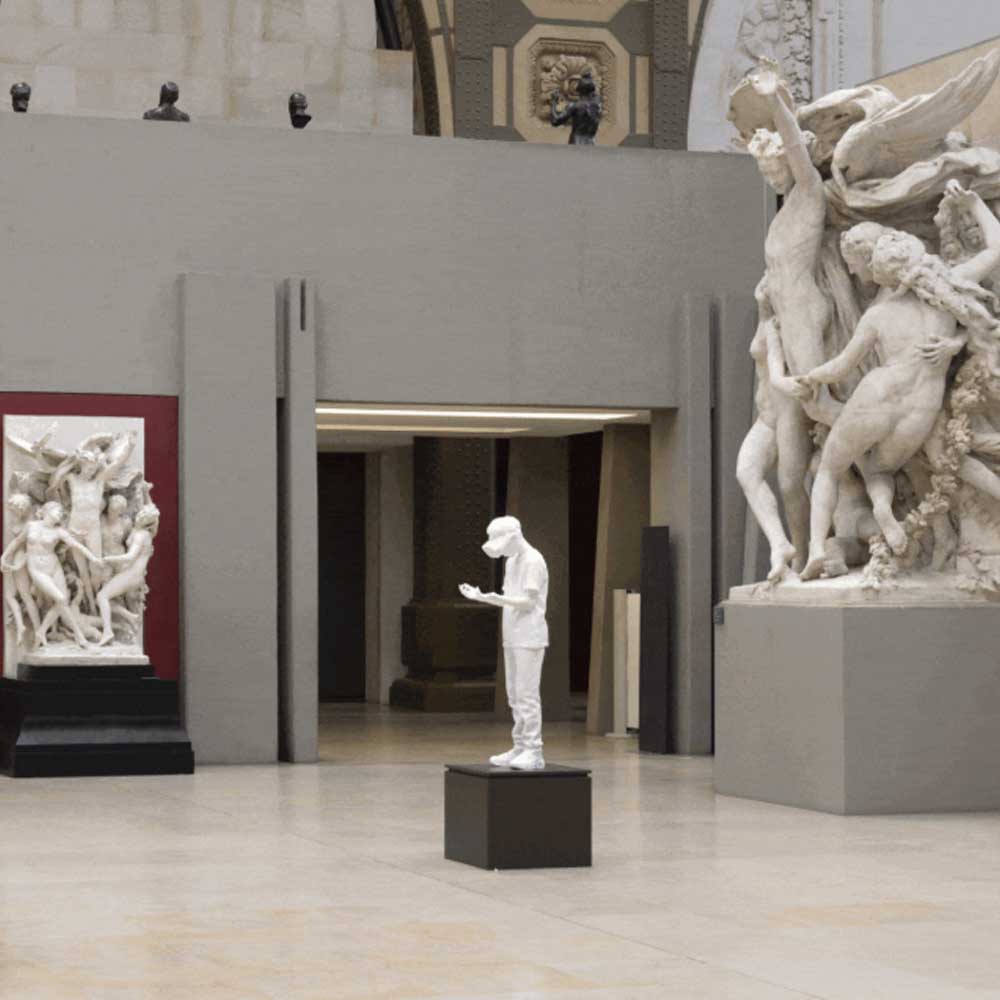
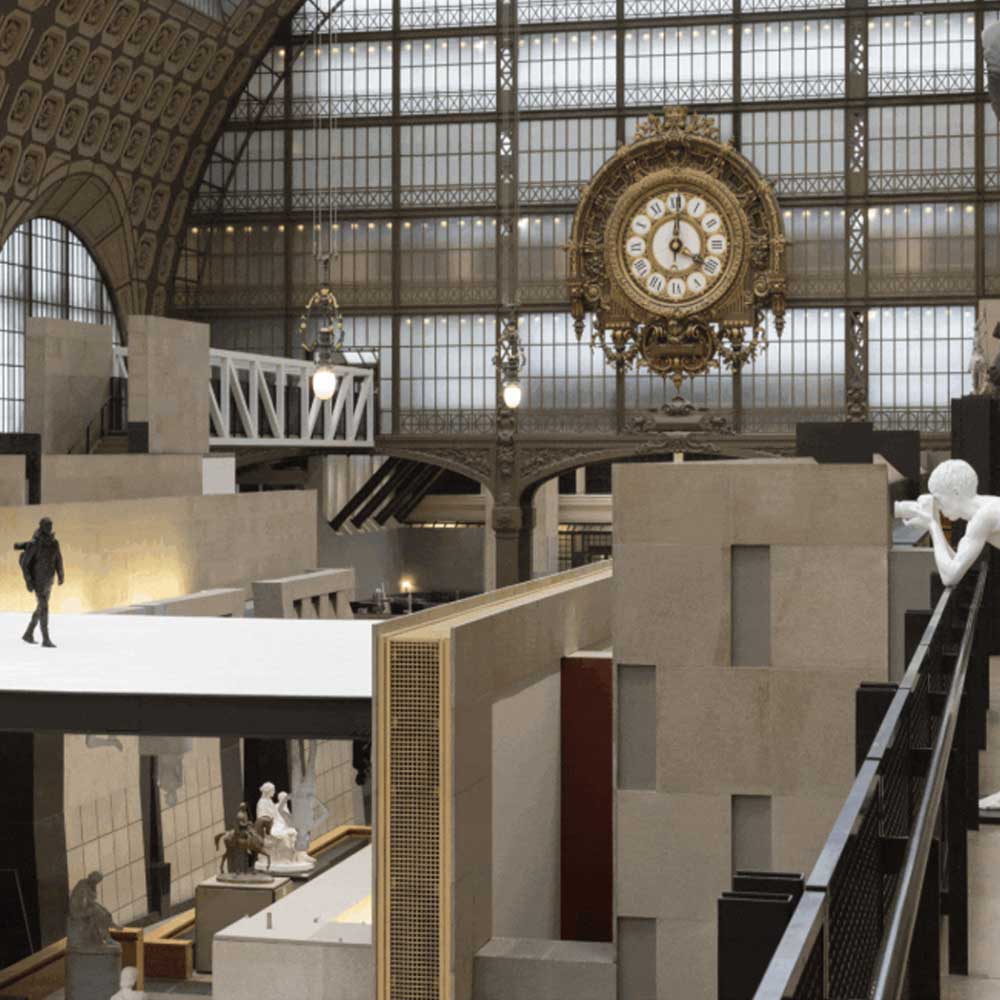
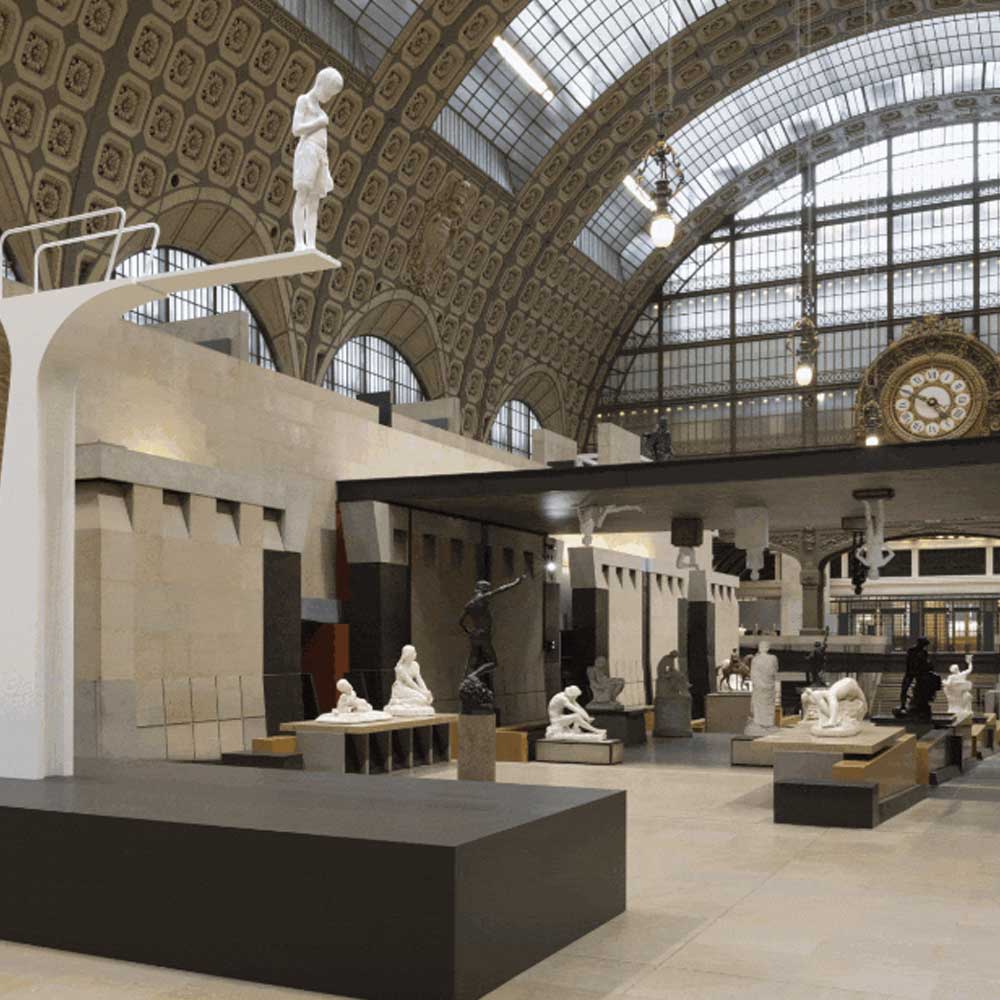
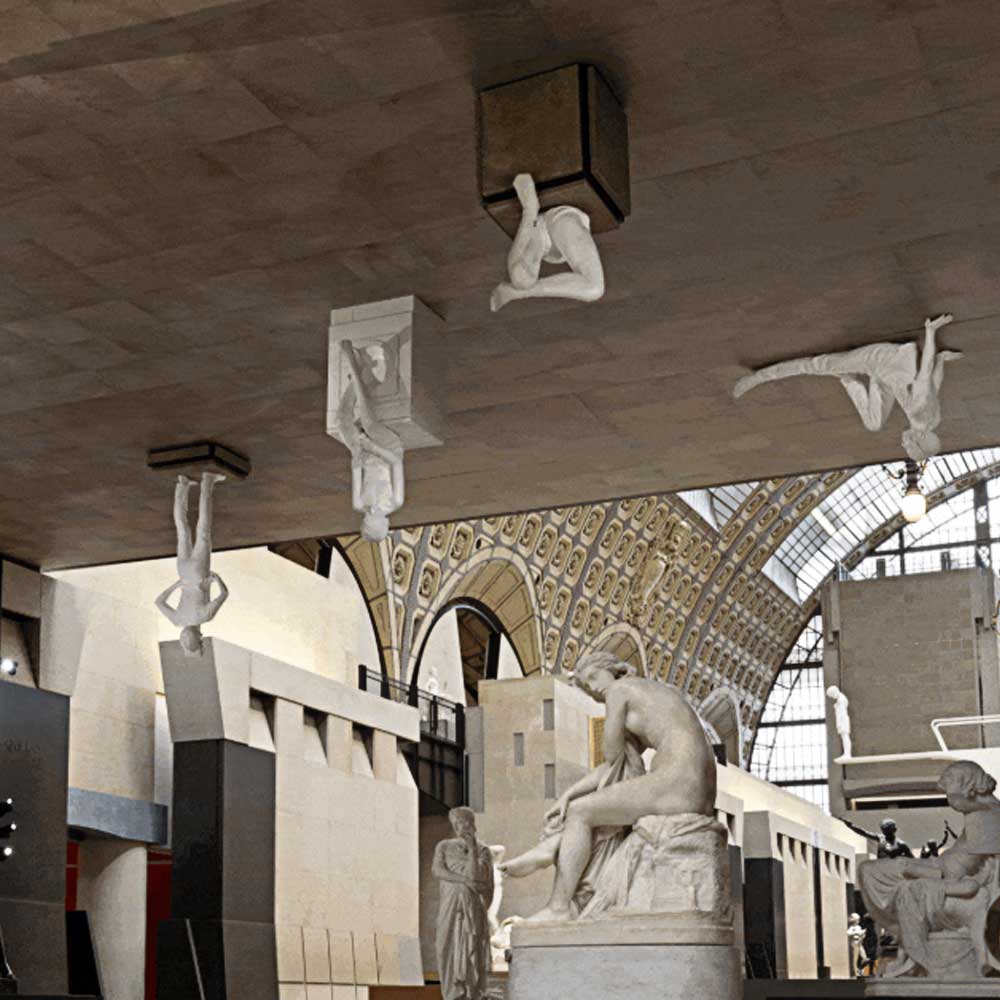
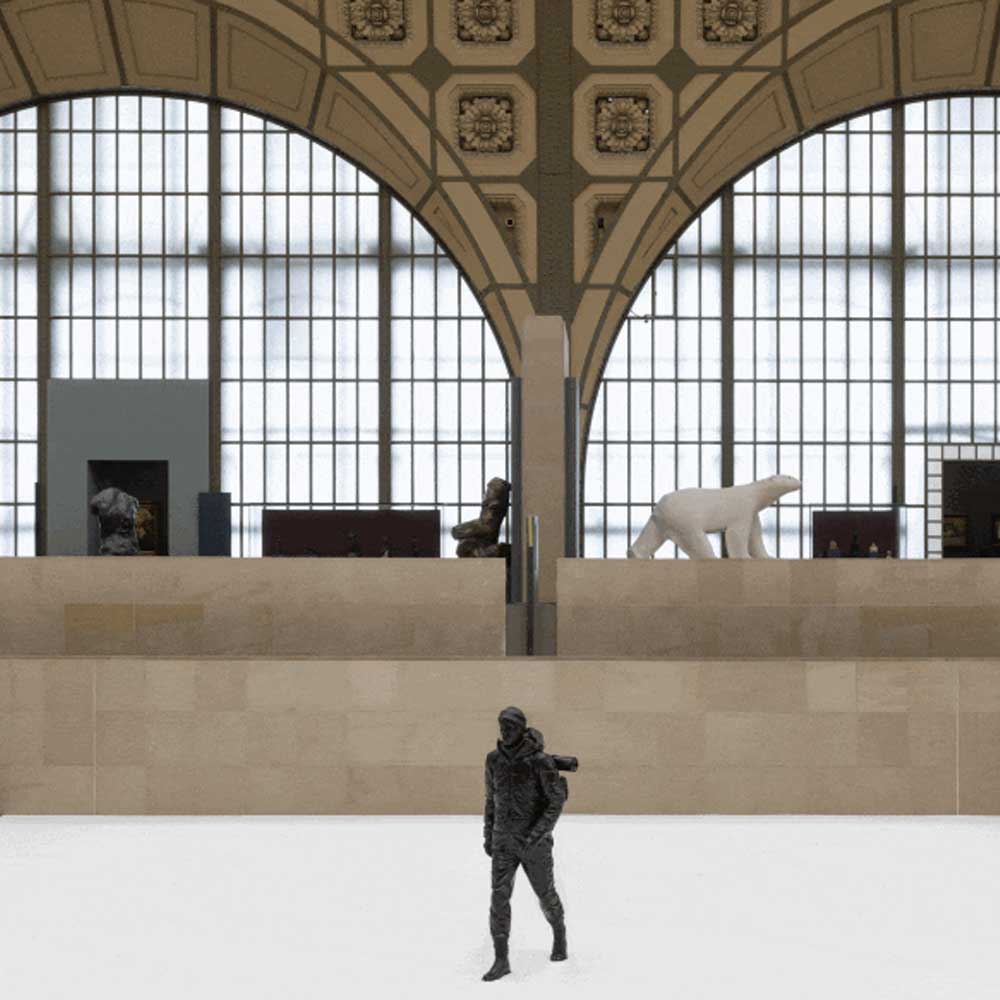
Elmgreen & Dragset Michael Elmgreen (born 1961; Copenhagen, Denmark) and Ingar Dragset (born 1969; Trondheim, Norway) have worked together as an artist duo since 1995. Their work explores the relationship between art,
architecture and design. Elmgreen & Dragset live and work in Berlin. Their work is known for its subversive humor and wit, while simultaneously addressing social and cultural concerns.
1.) Elmgreen &
Dragset, L'Addition, installation of a suspended platform (an upside-down replica of the museum's floor) 2024,
Musée d'Orsay, Paris
2.) Elmgreen &
Dragset, L'Addition, explores representations of contemporary masculinities in dialogue with the permanent
collection, 2024, Musée d'Orsay, Paris
3.) Elmgreen &
Dragset, L'Addition, installation of a suspended platform (an upside-down replica of the museum's floor) 2024,
Musée d'Orsay, Paris
4.) Elmgreen &
Dragset, L'Addition, explores representations of contemporary masculinities in dialogue with the permanent
collection, 2024, Musée d'Orsay, Paris
5.) Elmgreen &
Dragset, L'Addition, installation of a suspended platform (an upside-down replica of the museum's floor) 2024,
Musée d'Orsay, Paris
6.) Elmgreen &
Dragset, L'Addition, explores representations of contemporary masculinities in dialogue with the permanent
collection, 2024, Musée d'Orsay, Paris
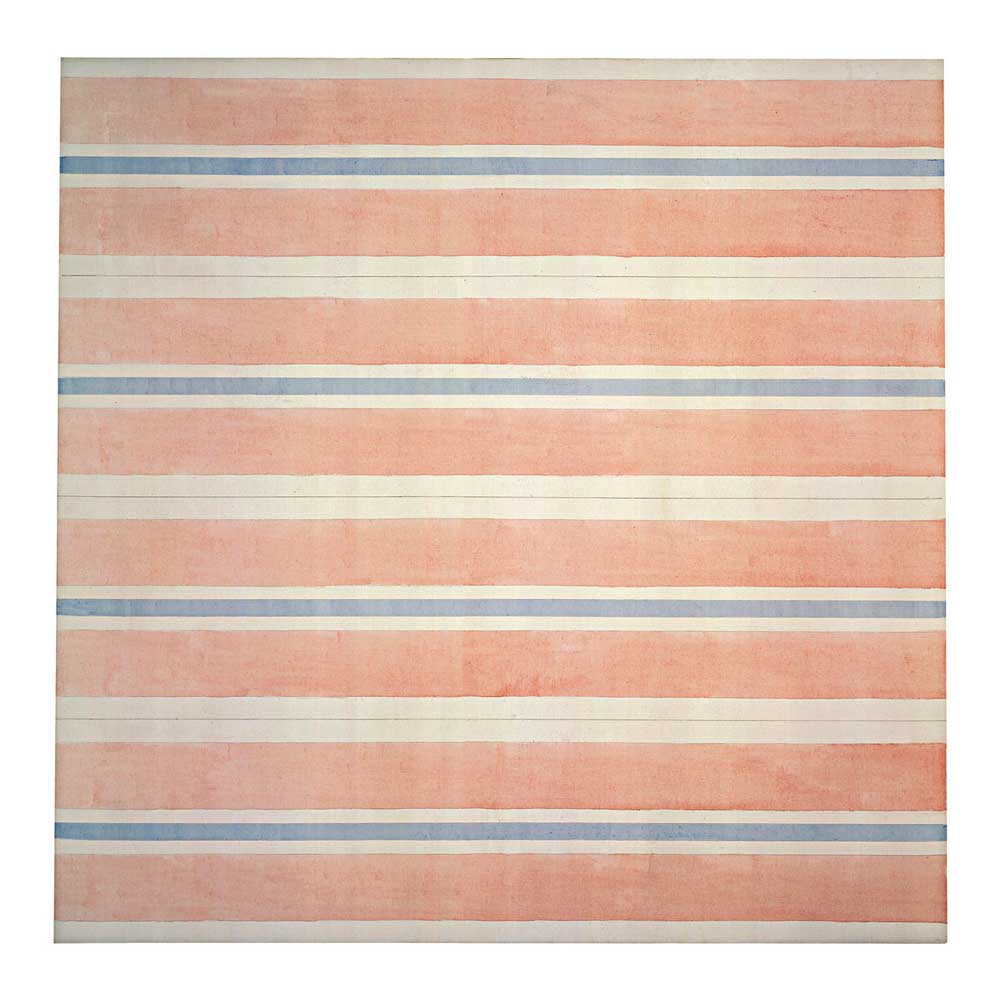
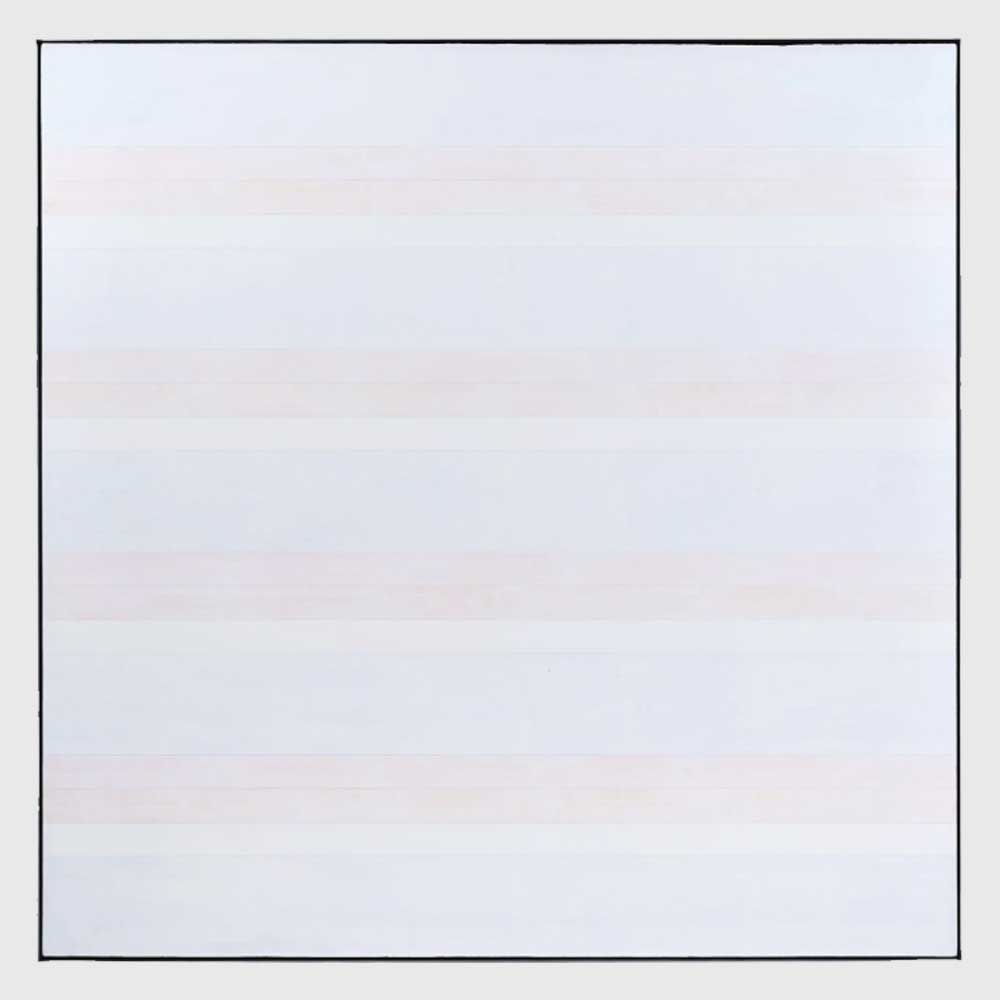
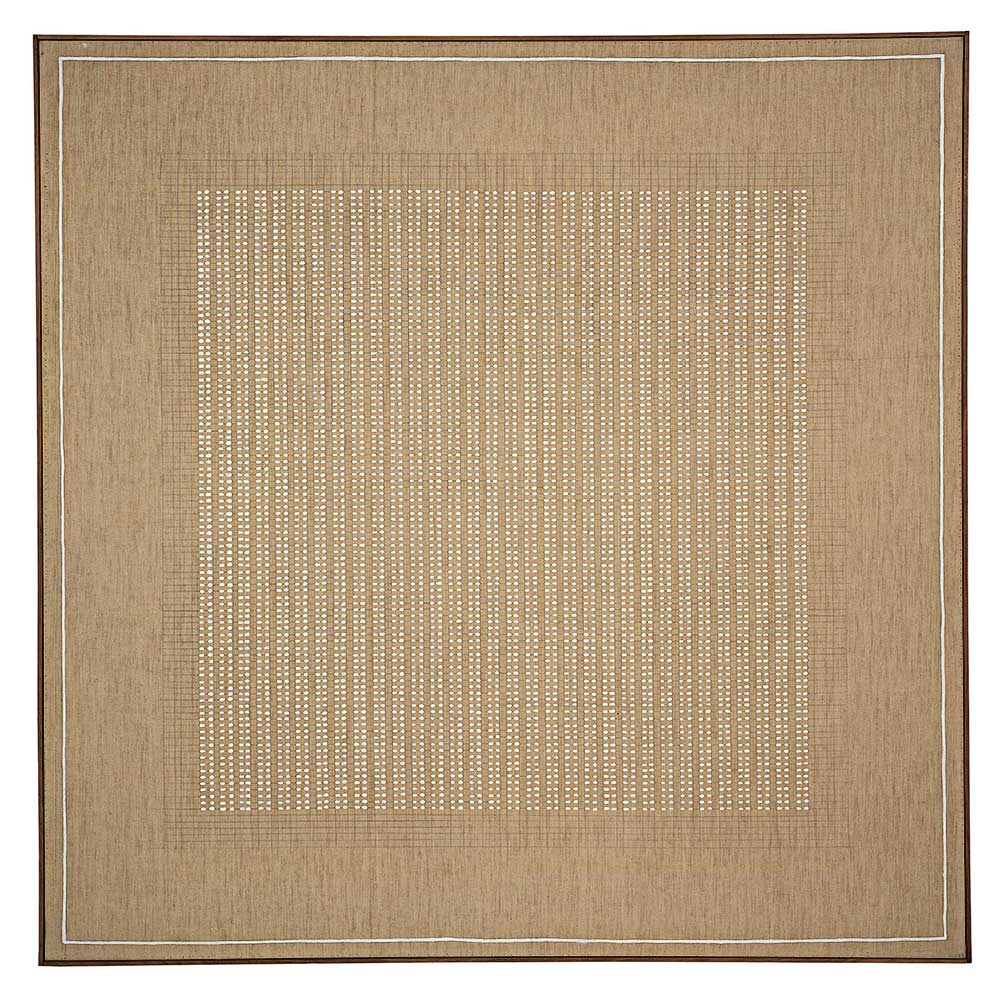
Agnes MartinAgnes Martin (March 22, 1912 – December 16, 2004) was a Canadian-American abstract painter known for her
minimalist style and abstract expressionism. Born in Saskatchewan, she moved to the United States in 1931, where she pursued higher education and
became a U.S. citizen in 1950. Martin's artistic journey began in New York City, where she immersed herself in modern art and developed a deep interest in
abstraction. Despite often being labeled a minimalist, she identified more with abstract expressionism. Her work has been defined as an "essay in discretion,
inwardness and silence. Growing up in rural Canada and influenced by the New Mexico desert, where she lived for the last several decades of her life, Martin's art
was characterized by serene compositions featuring grids and lines. Her career included numerous exhibitions, totaling over 85 solo shows.
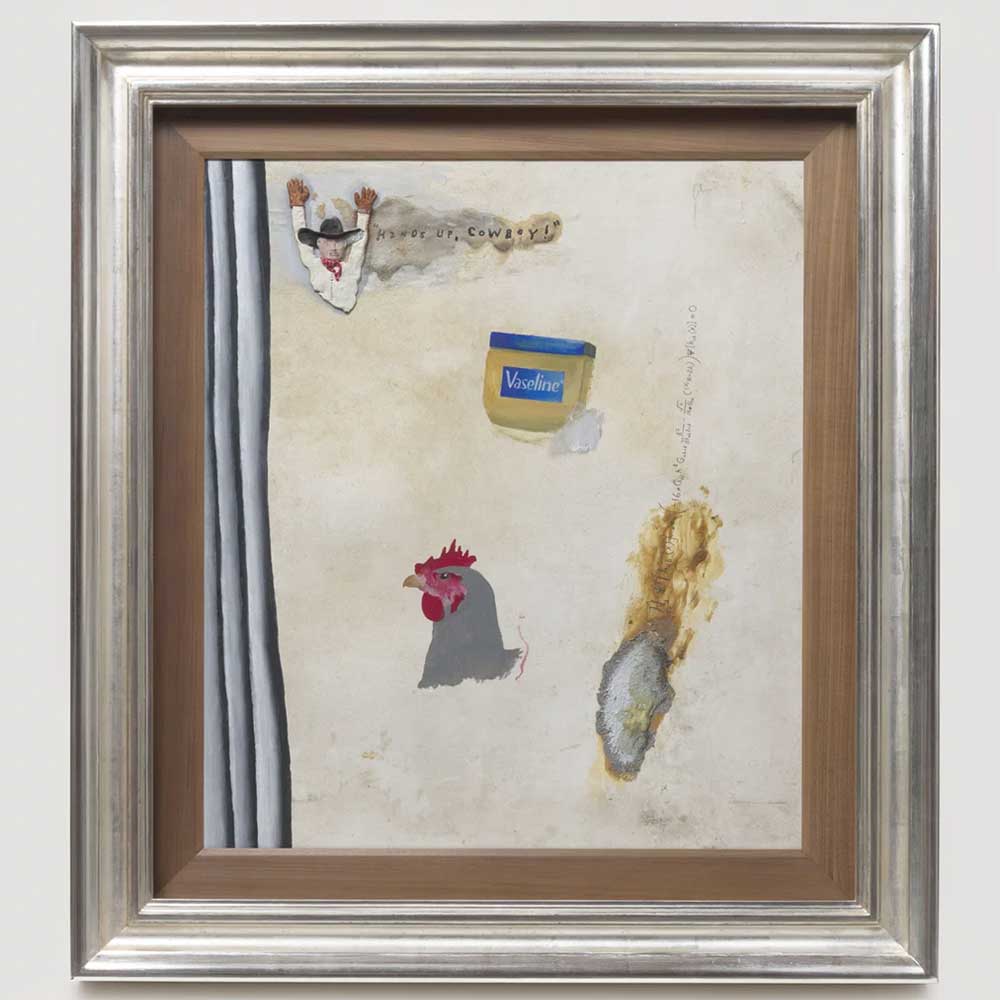
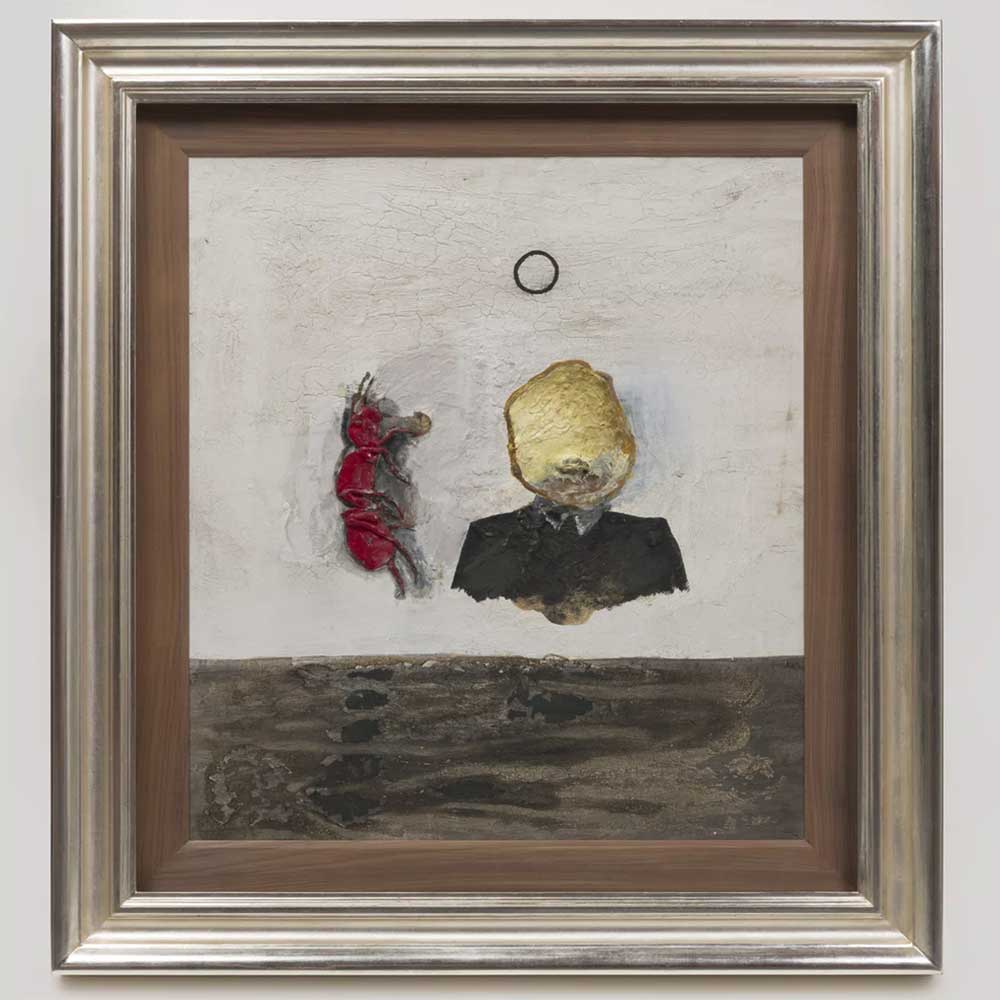
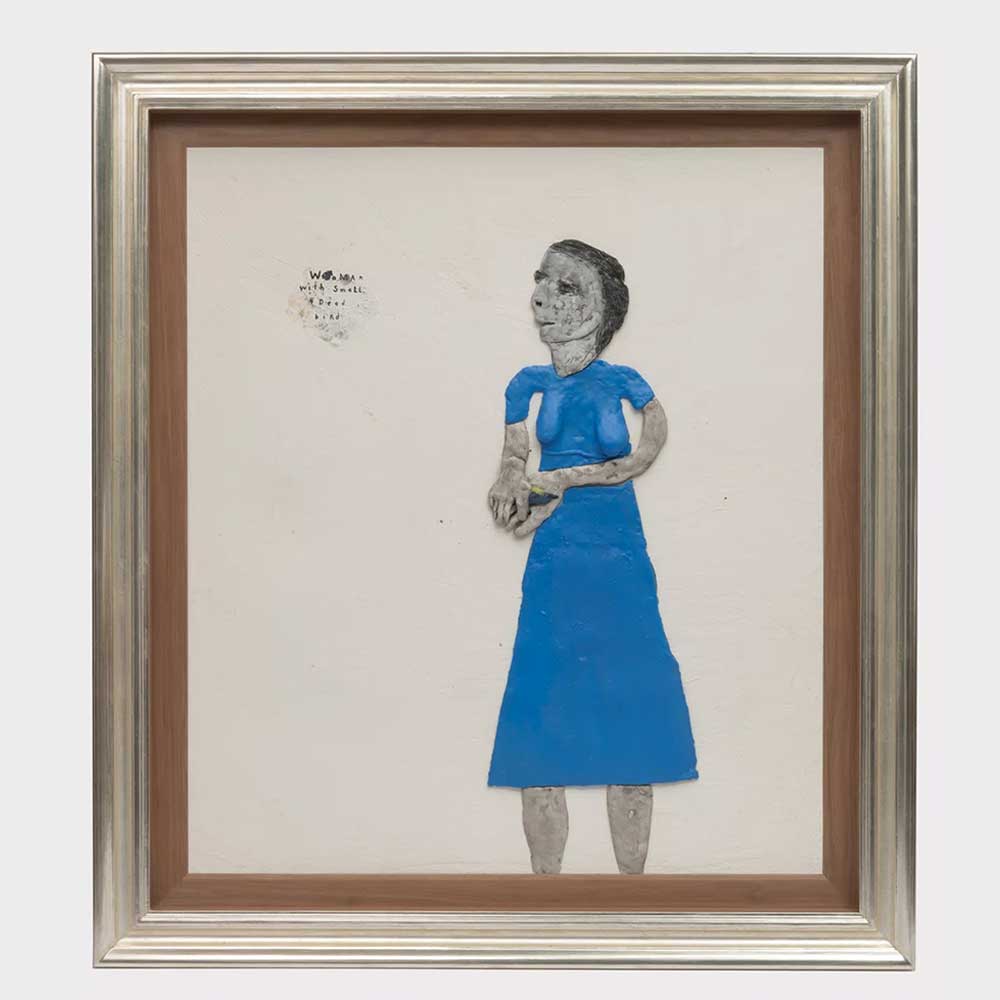
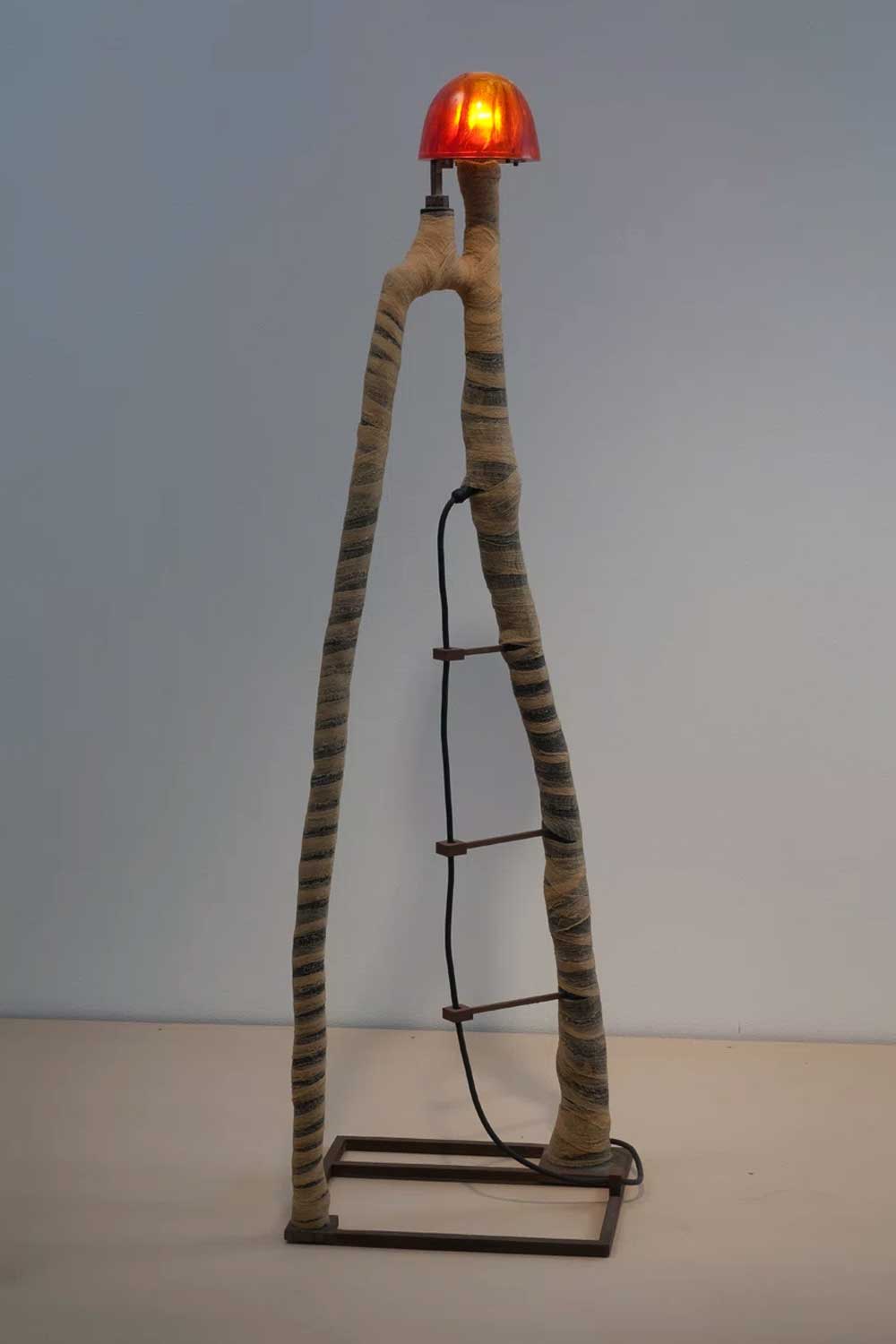
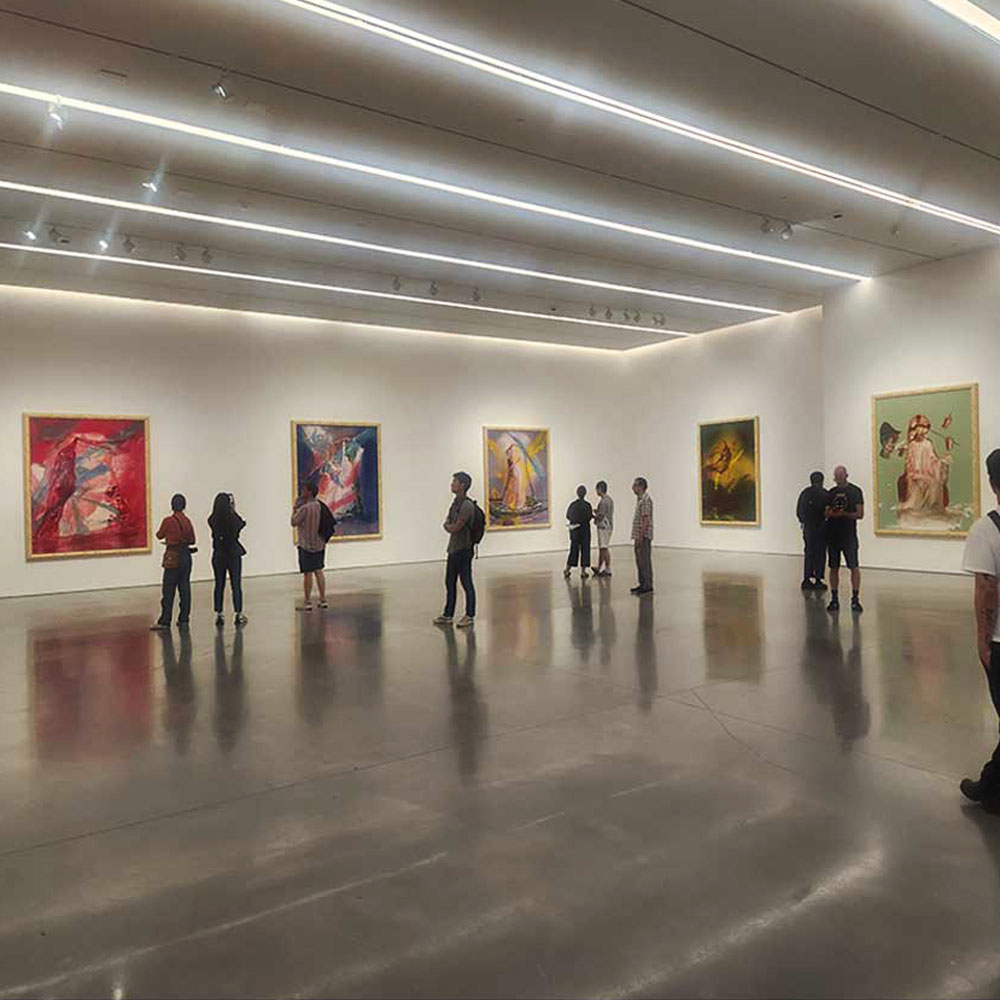
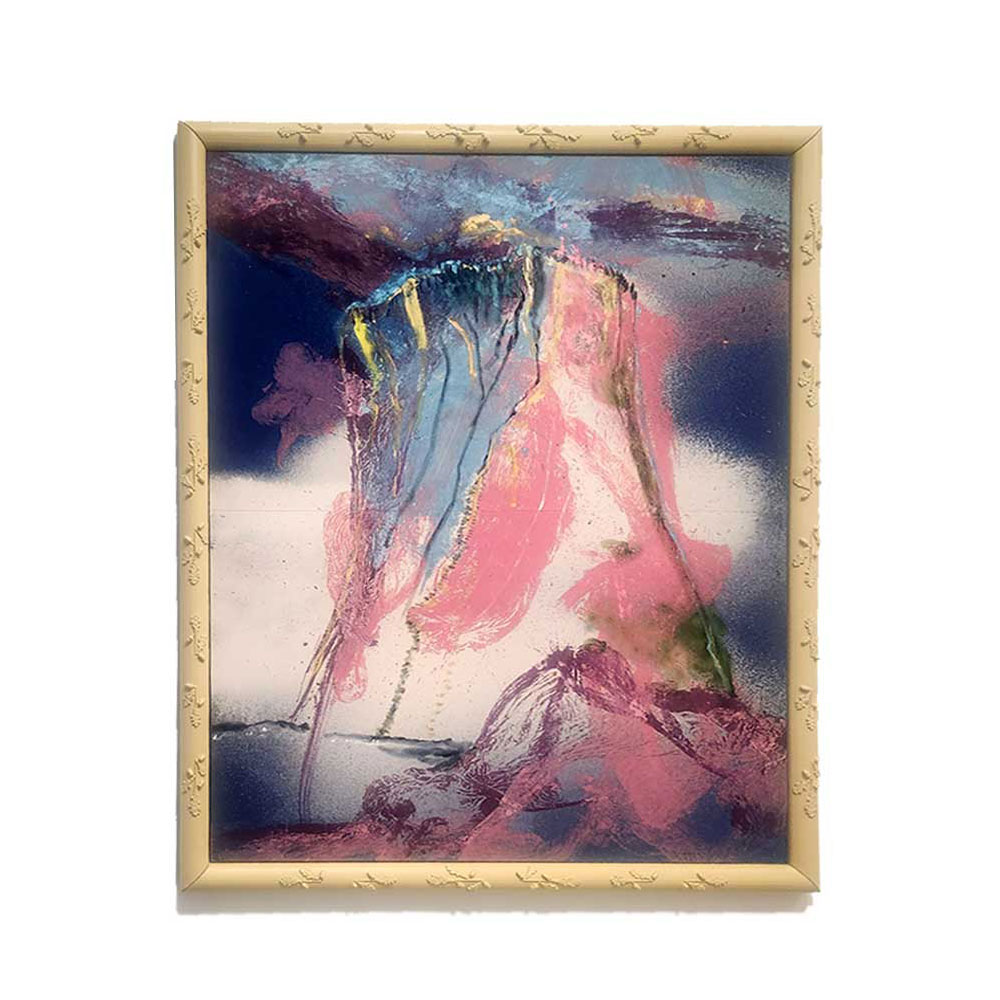
Remembering David Lynch: 1946 – 2025David Lynch’s prolific nearly six-decade career spanned an extensive range of artmaking including painting, drawing, photography,
printmaking, sculpture, music, and film. This last exhibition will highlight his vision across media, bringing together a select group of paintings, sculptures, watercolors, and early short films.
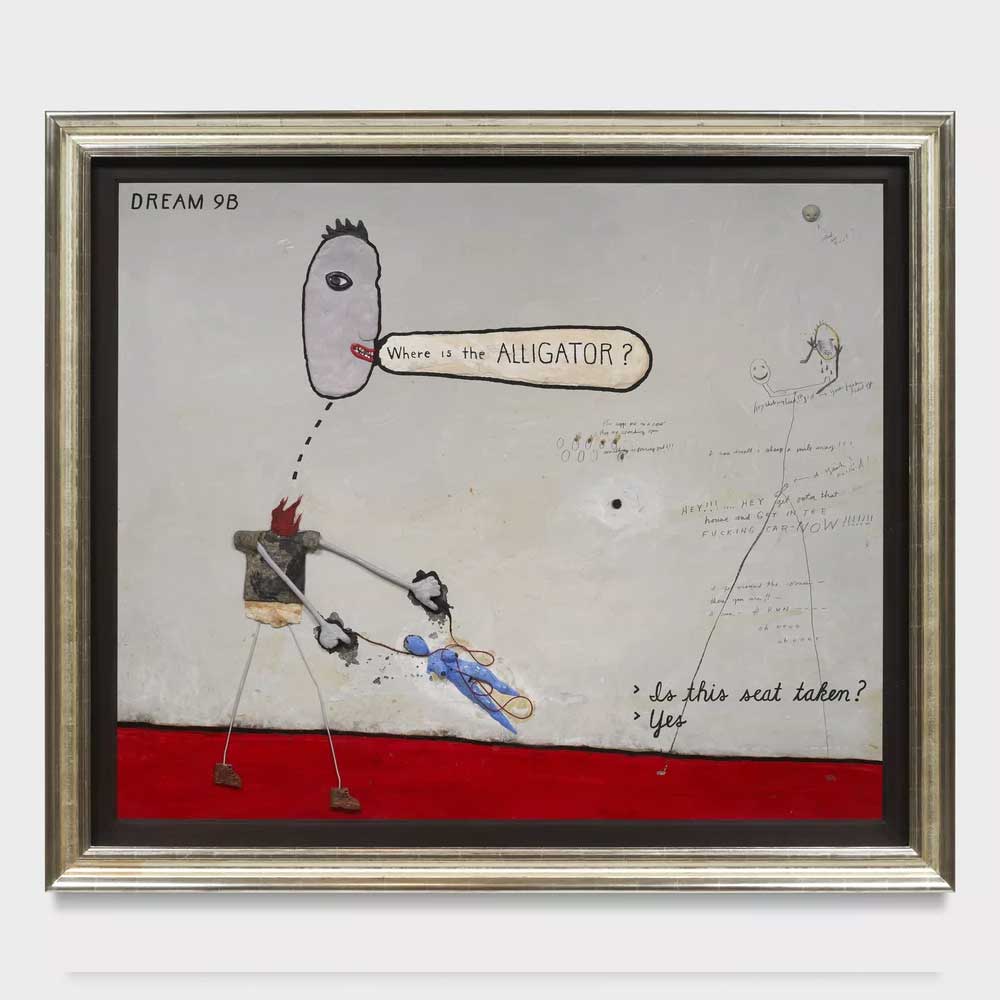
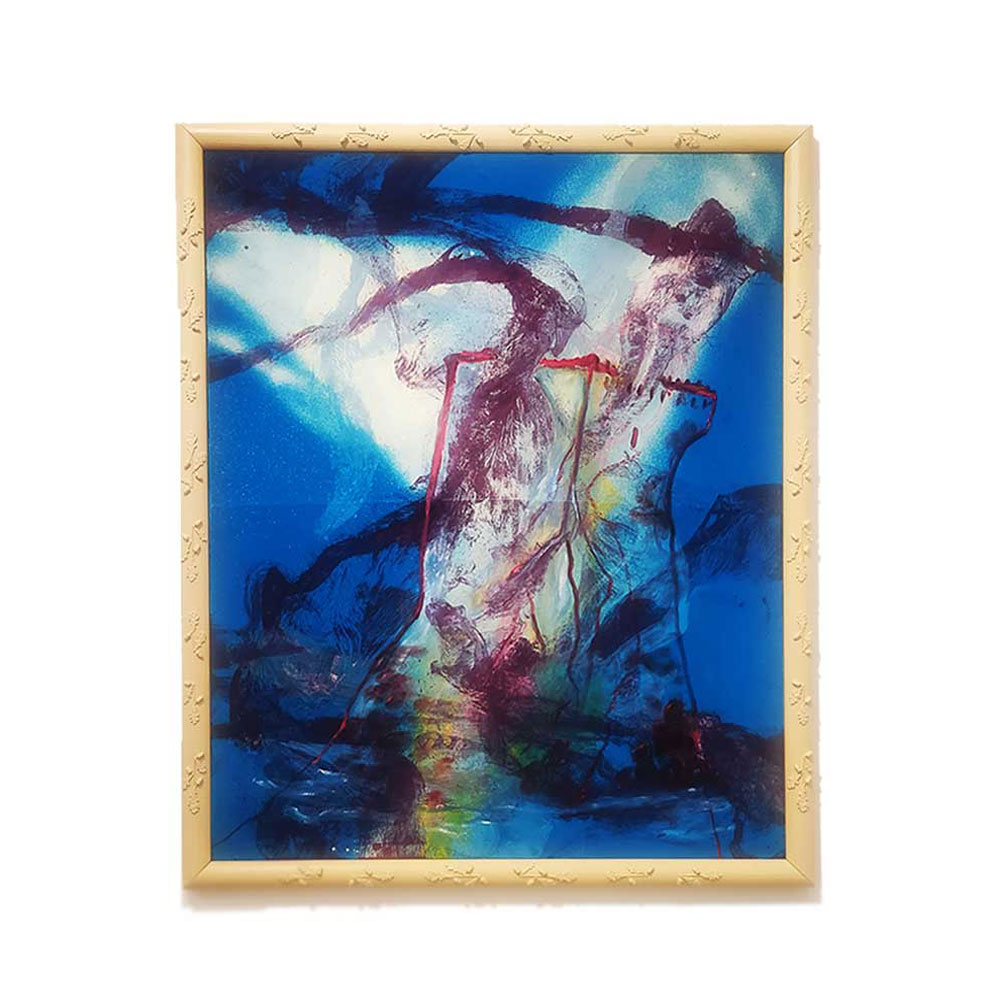
David Lynch,
Dream 9B: Where is the Alligator?, 2022, Mixed media, 50" × 60" × 2-1/2" (127 cm × 152.4 cm ×
6.4 cm) Framed Size: 60-3/4 x 70-5/8 x 6 inches
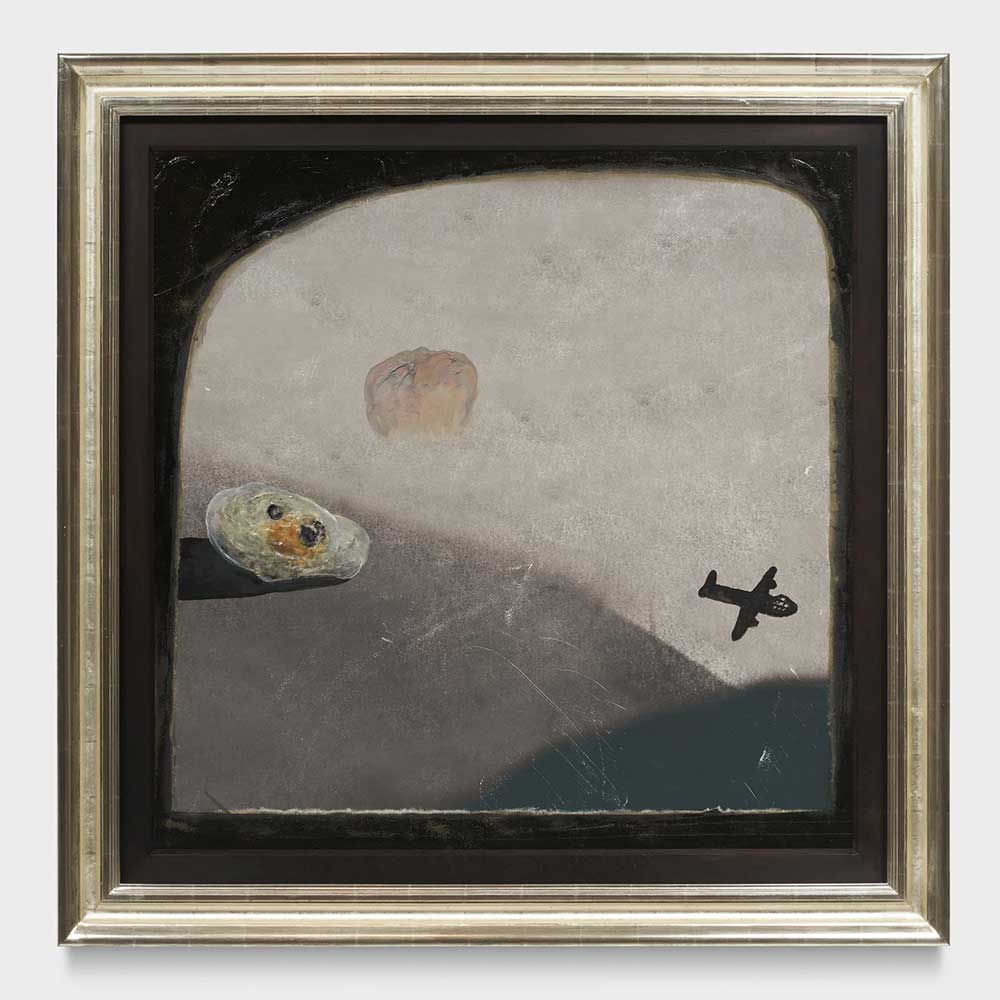
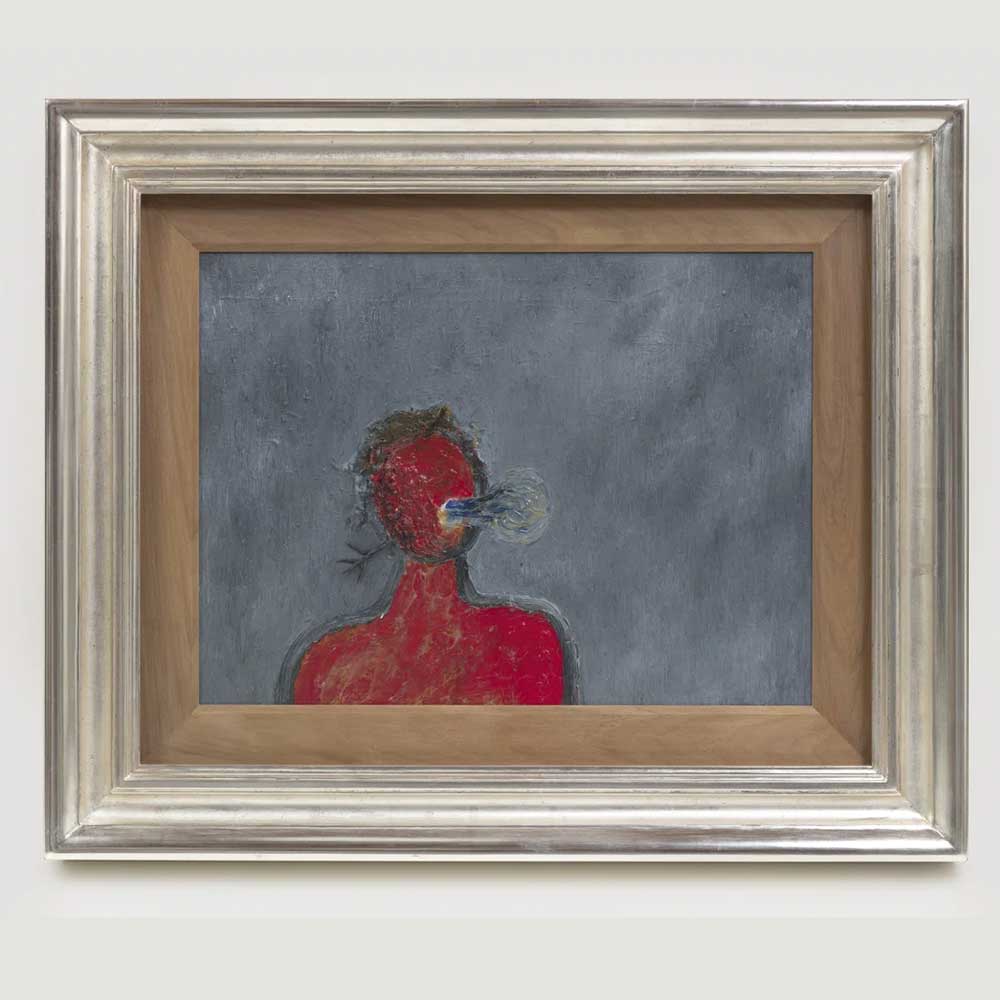
David Lynch, Head
on Hill with Cloud and Airplane, 2021, Mixed media, Image Dimensions: 40 x 40 inches (101.6 x 101.6 centimeters)
Framed Size: 50-1/2 x 50-1/2 x 4-7/8 inches
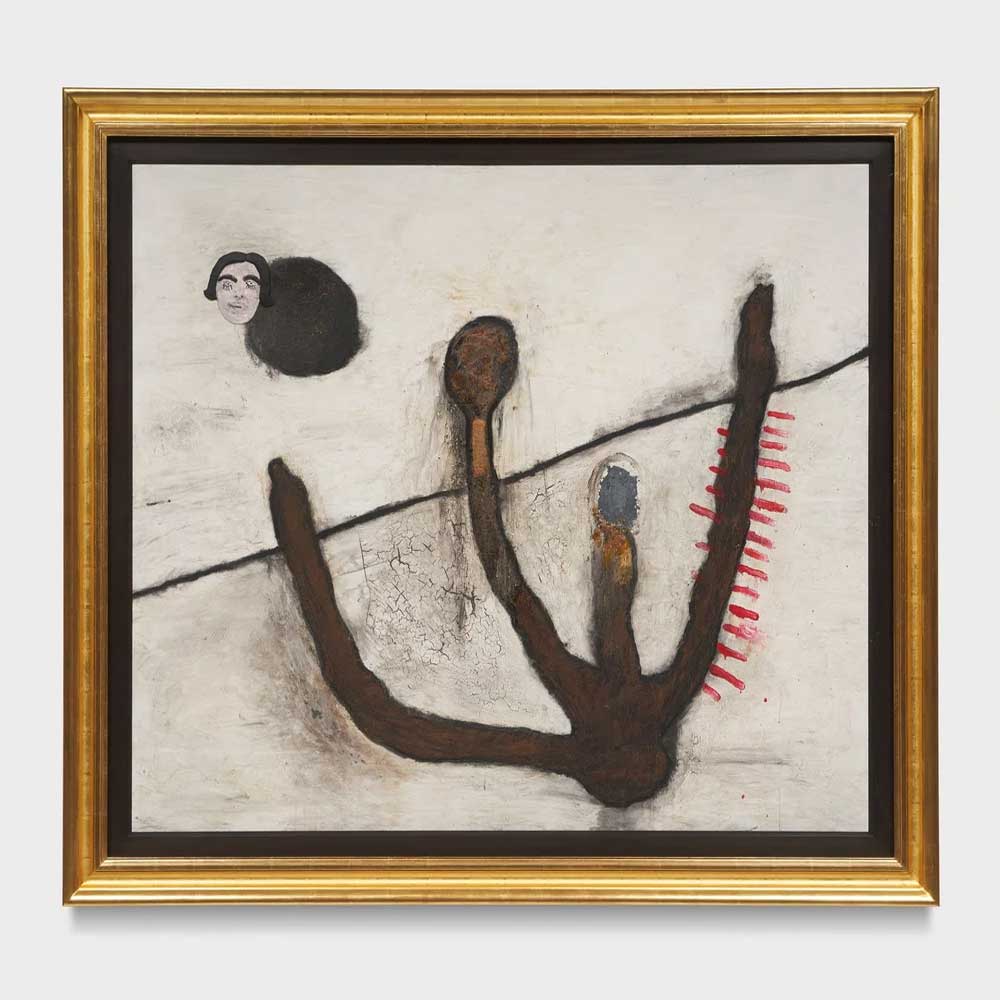
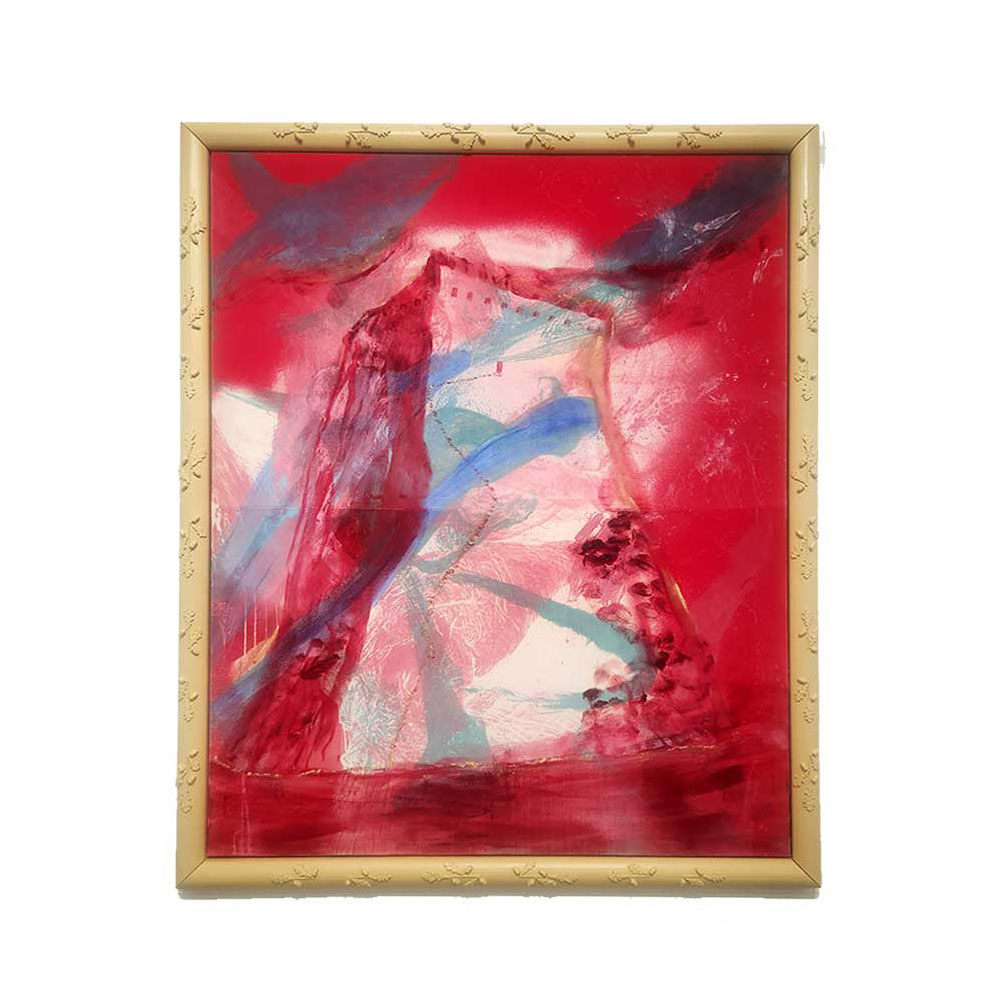
David Lynch, Big Bongo
Night, 2021, Mixed media, 50" × 60" (127 cm × 152.4 cm) Framed Size: 60-1/2 x 70-3/8 x 4-3/4 inches
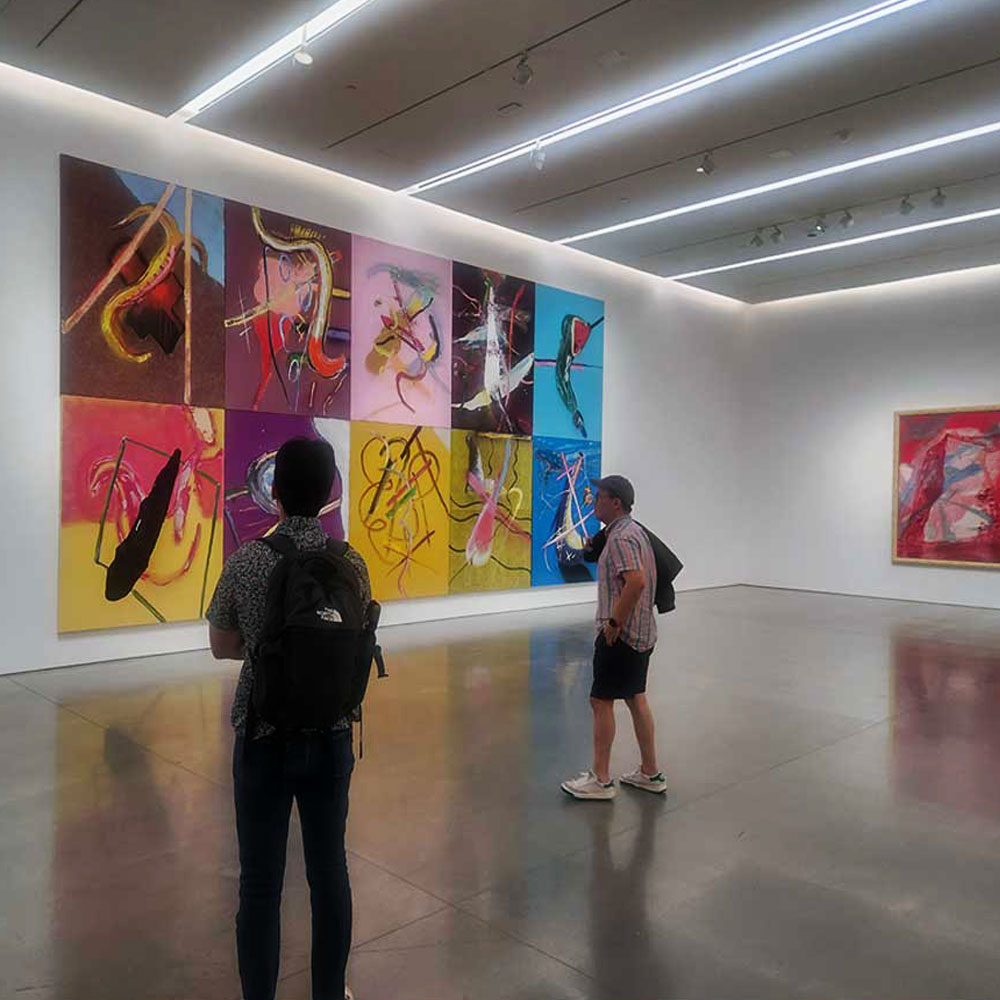
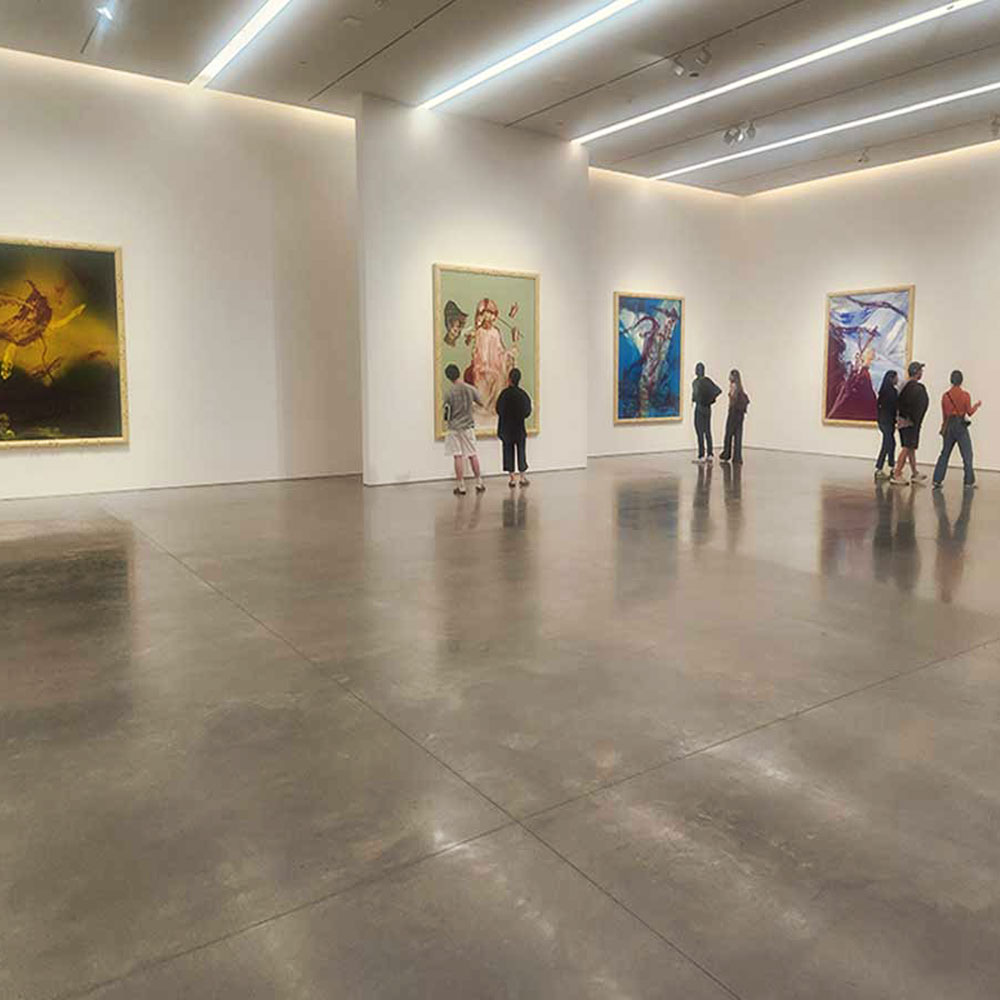
Julian SchnabelJulian Schnabel is an American painter and filmmaker. In the 1980s, he received international attention for his
"plate paintings"—with broken ceramic plates set onto large-scale paintings. Since the 1990s, he has been a proponent of independent arthouse cinema.
 Top
Top