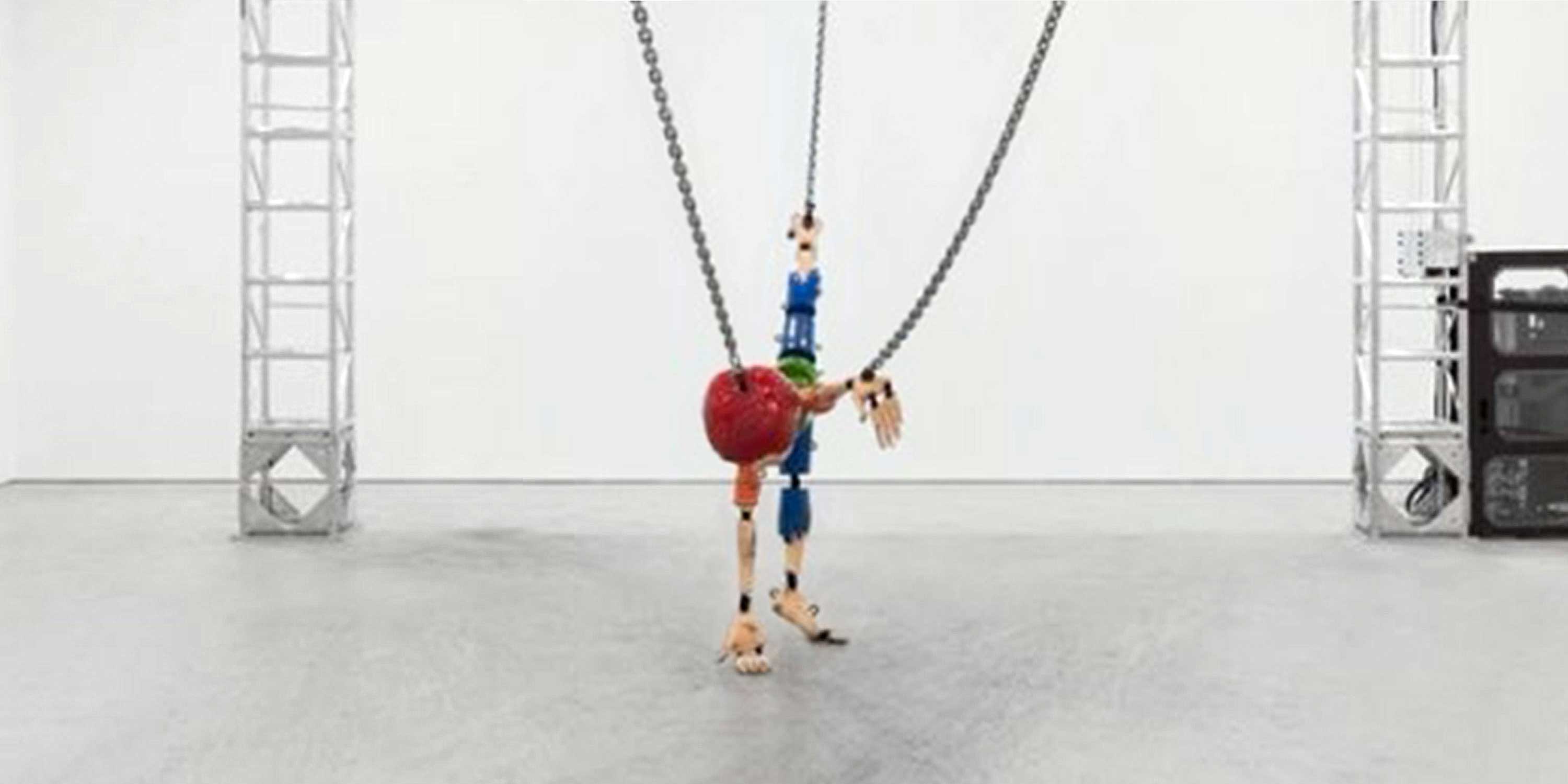
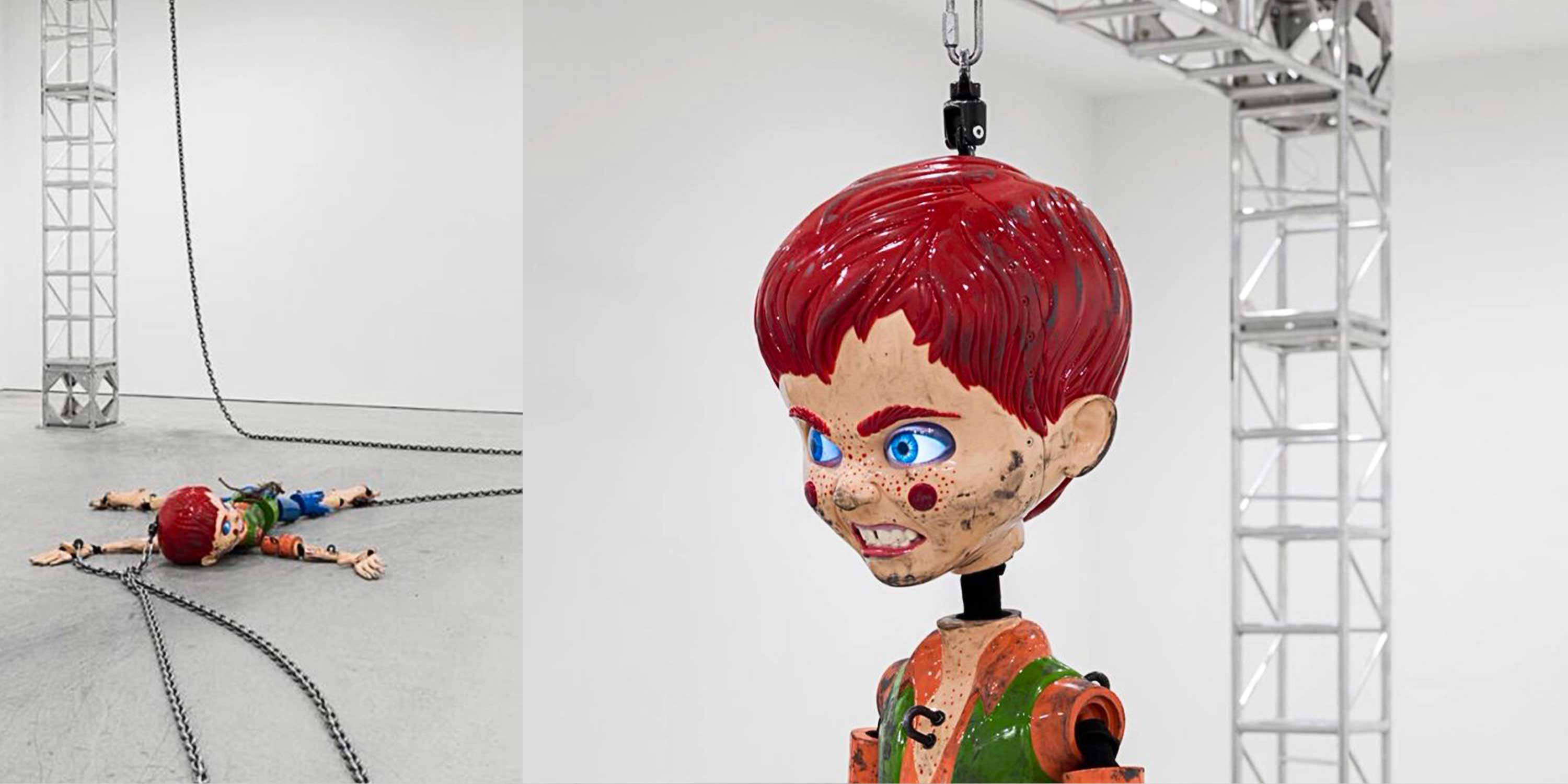
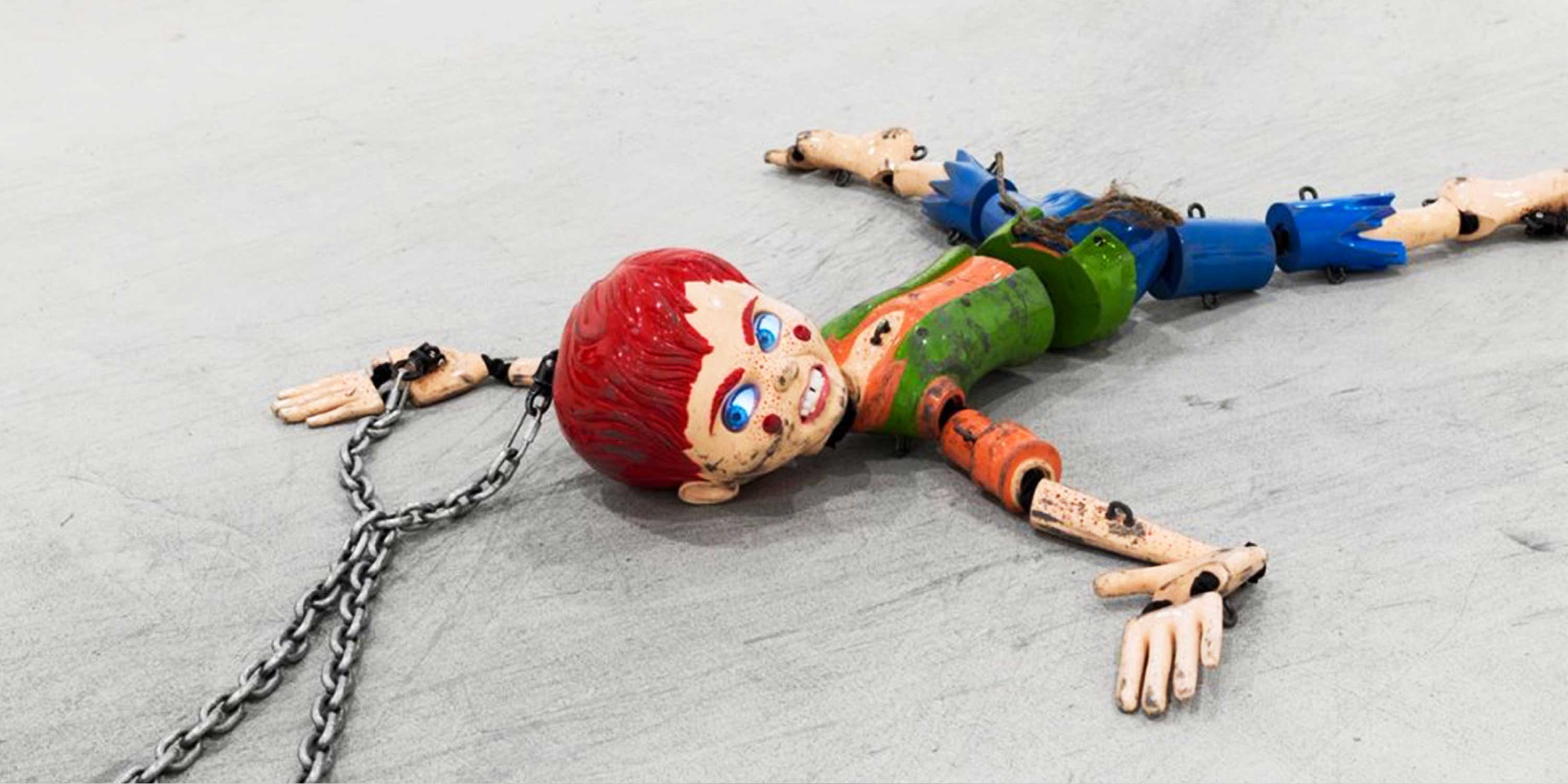
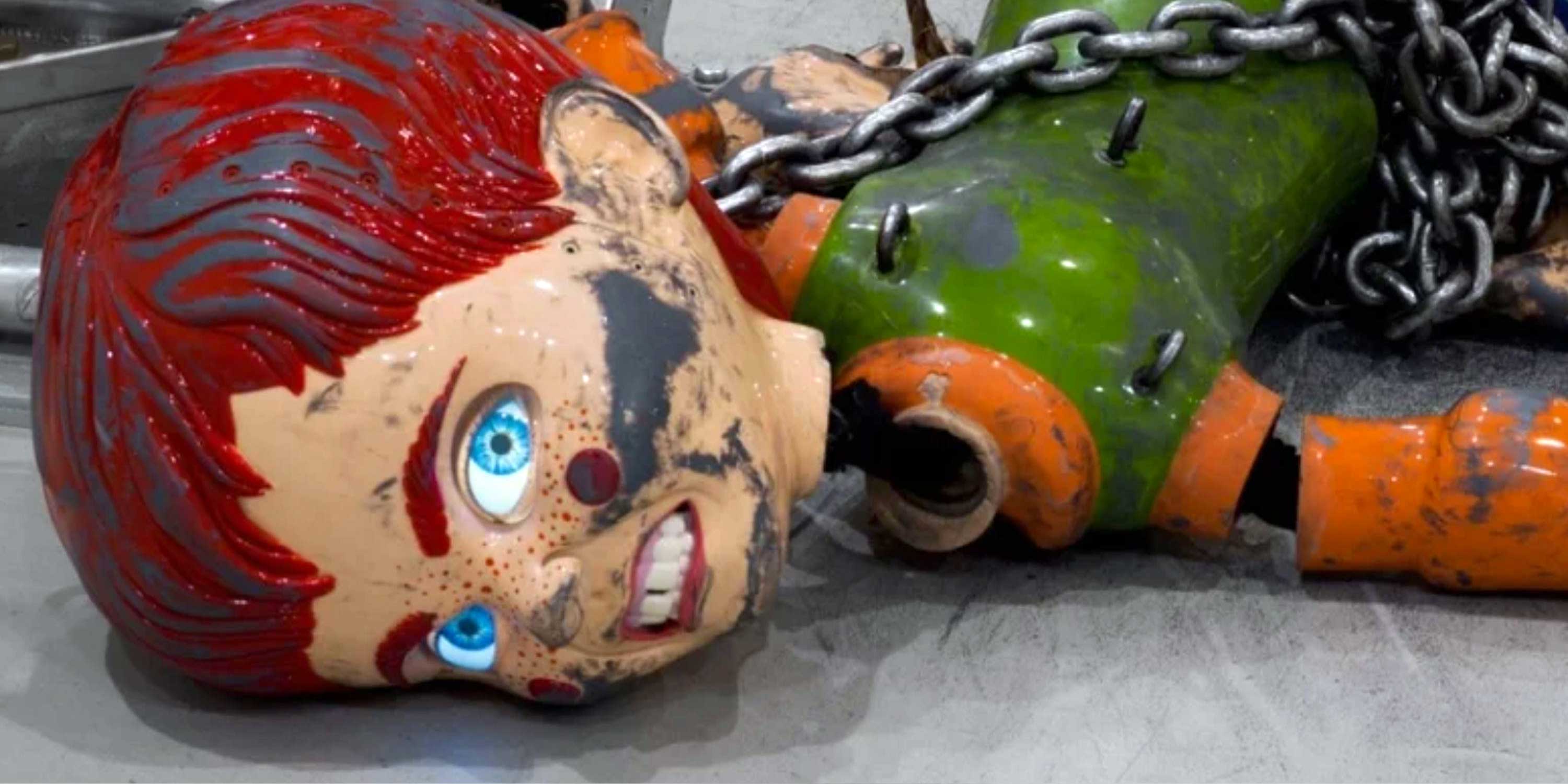
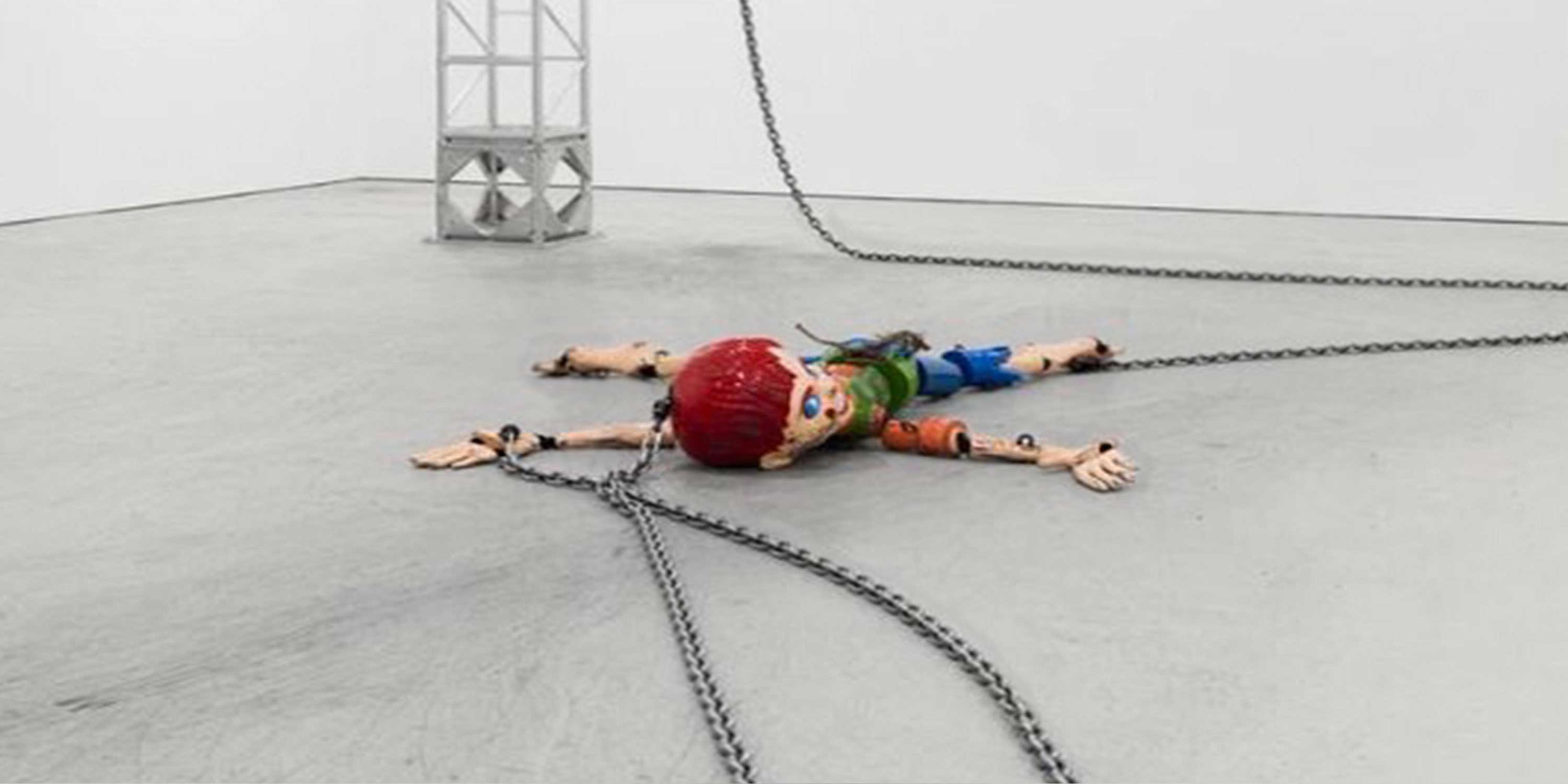
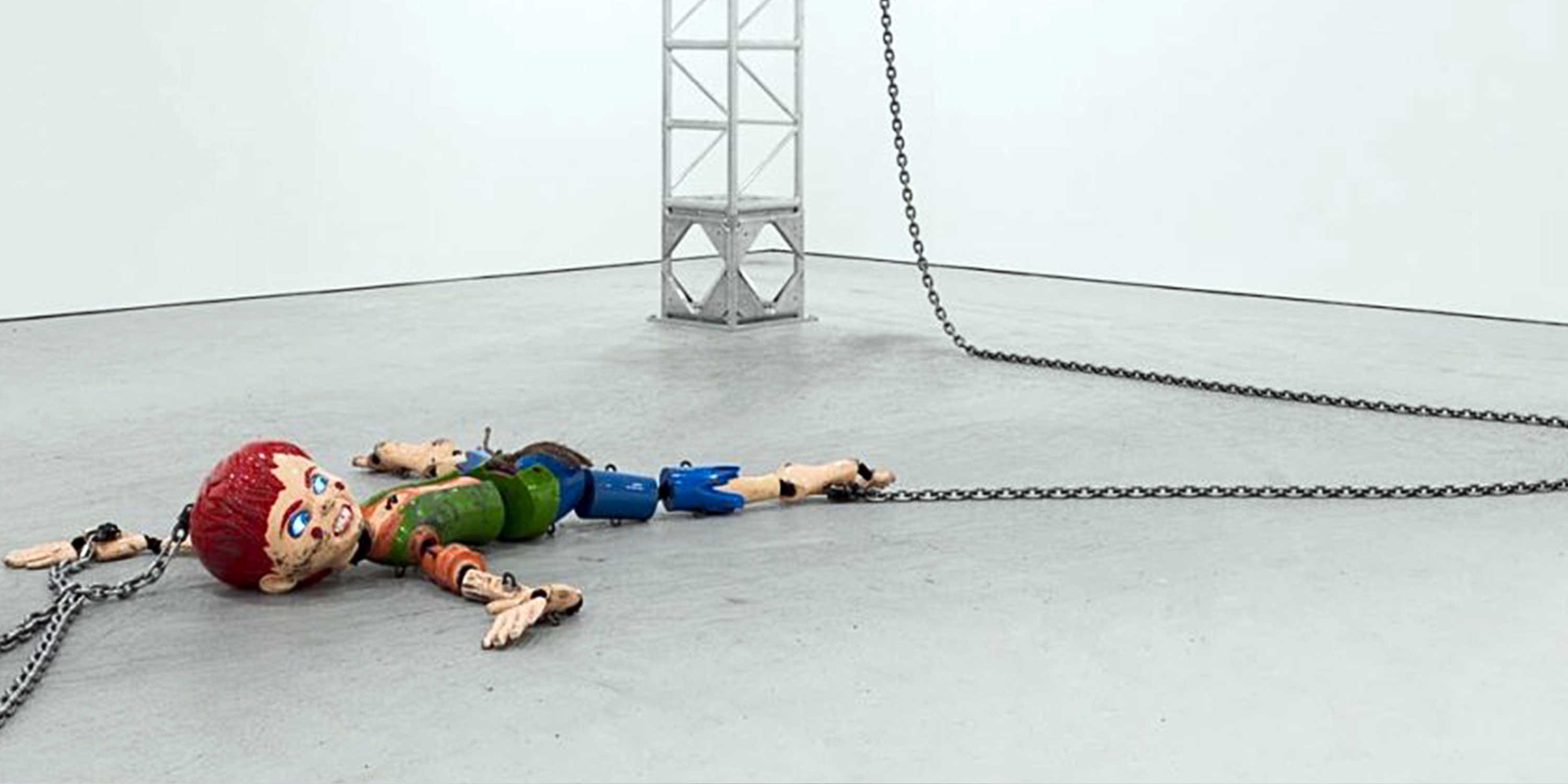
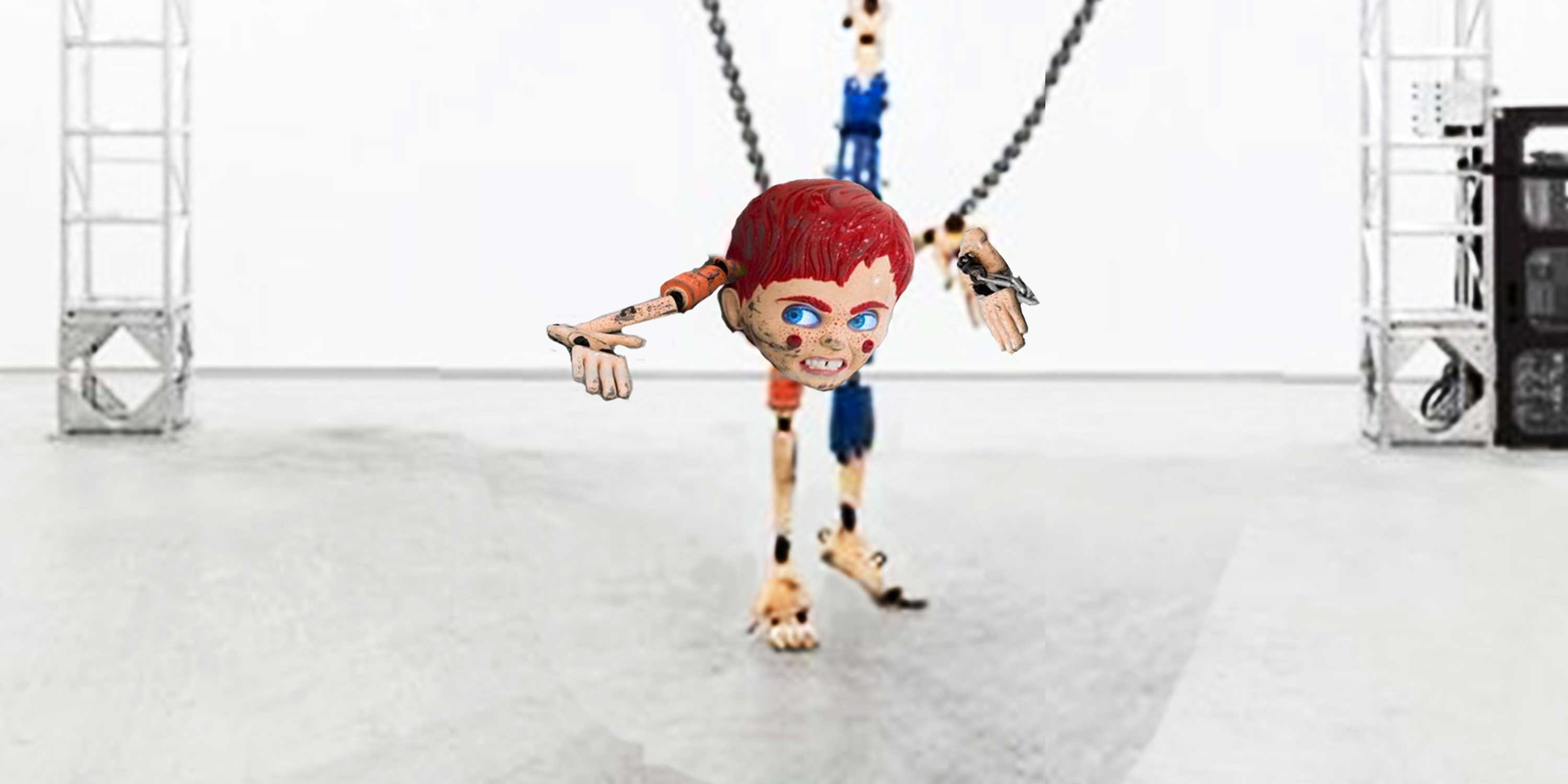
The red hair, freckles, and boyish features of Colored Sculpture evoke American archetypes such as Huckleberry Finn, Howdy Doody, and Alfred E. Neuman.
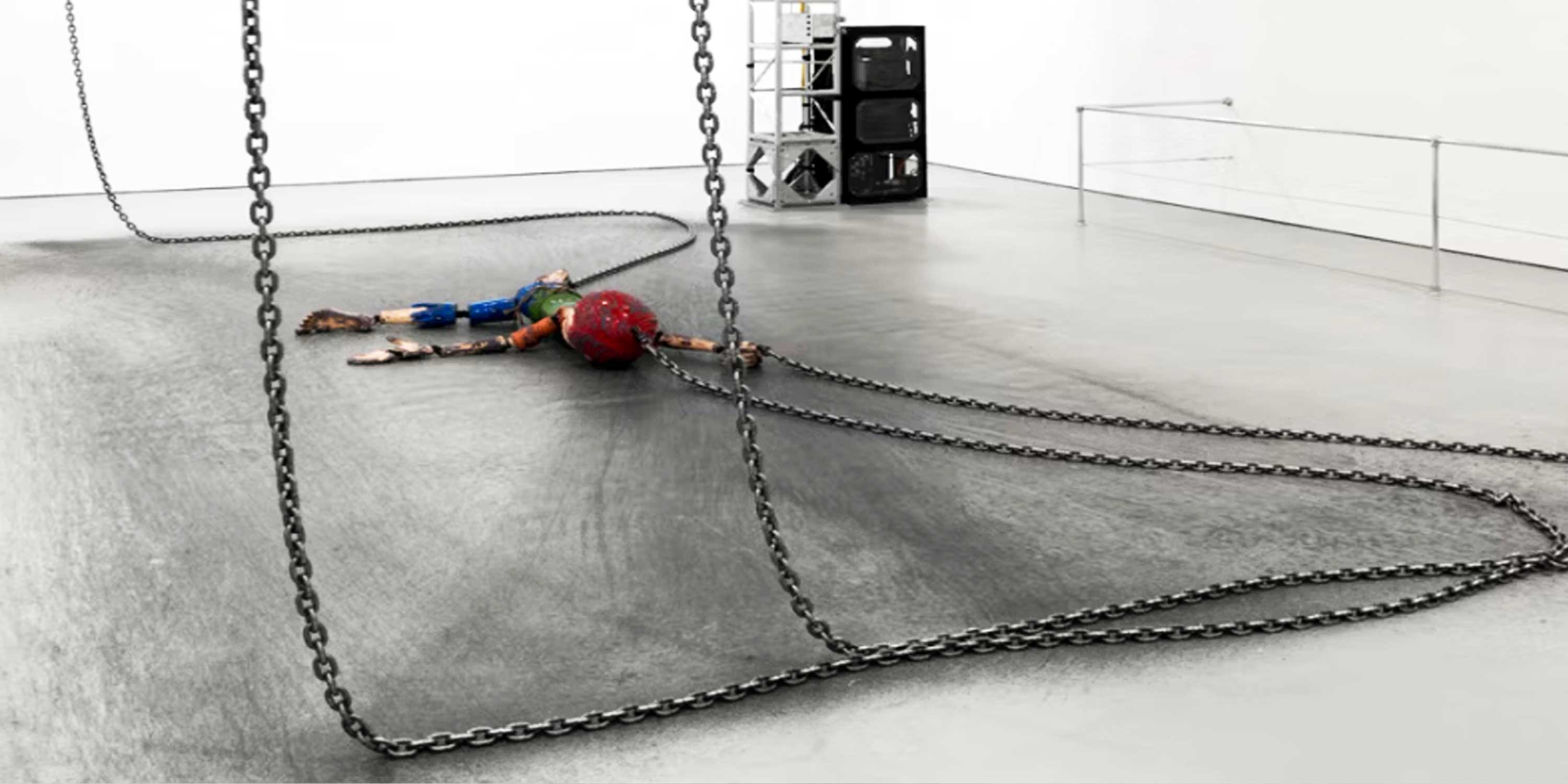
Suspended from a mechanized gantry by heavy chains, the highly polished figure is repeatedly lifted and slammed to the floor, producing a visceral collision
of figuration and abstraction. Its eyes employ facial‑recognition technology to track viewers, while fiber‑optic displays cycle through animations, video clips,
and found imagery that tap into the cultural subconscious. An incongruous soundtrack intensifies the work’s tension between reality and artifice,
subject and object, meaning and sensory overload. David Zwirner Gallery, 527 West 20th Street, New York
Jordan Wolfson, Colored sculpture
video, 2017
Jordan Wolfson, Colored sculpture
video, 2017
Jordan Wolfson, Colored sculpture
video, 2017
David Zwirner GalleryDavid Zwirner operates one of the leading blue‑chip galleries in the contemporary art world, with galleries in New York, London, Paris, and Hong Kong. Representing more than
sixty artists and numerous estates, the gallery has shaped contemporary art’s evolution for decades. I’ve been visiting since Zwirner opened in 1993 in Chelsea, where
I’ve lived for more than thirty‑six years, and from the beginning the gallery stood out for David Zwirner’s eclectic sensibility to pick the best. Over time, he has
supported and advanced the careers of many of today’s most influential artists, maintaining long‑term relationships with a diverse, international roster spanning
generations and disciplines. In 2017, Zwirner became the first commercial gallery to introduce an online viewing room, transforming how audiences encounter art digitally.
Since then, he has led the field in online exhibitions, presenting more than seventy digital‑only shows. David Zwirner (Main Gallery), 533 West 19th Street, New York City
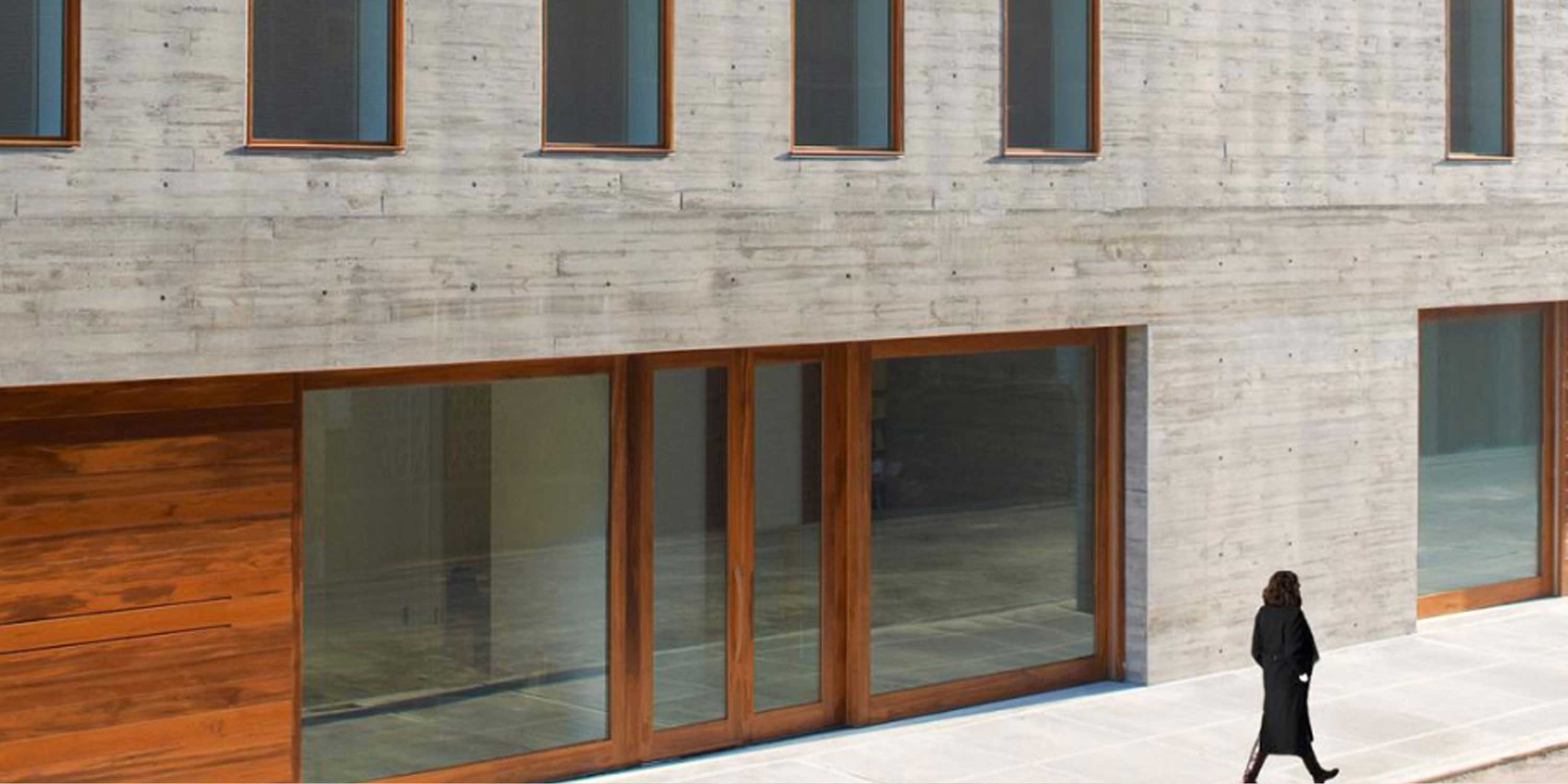
David Zwirner Gallery, 537 West 20th Street, New York, N.Y. 10011
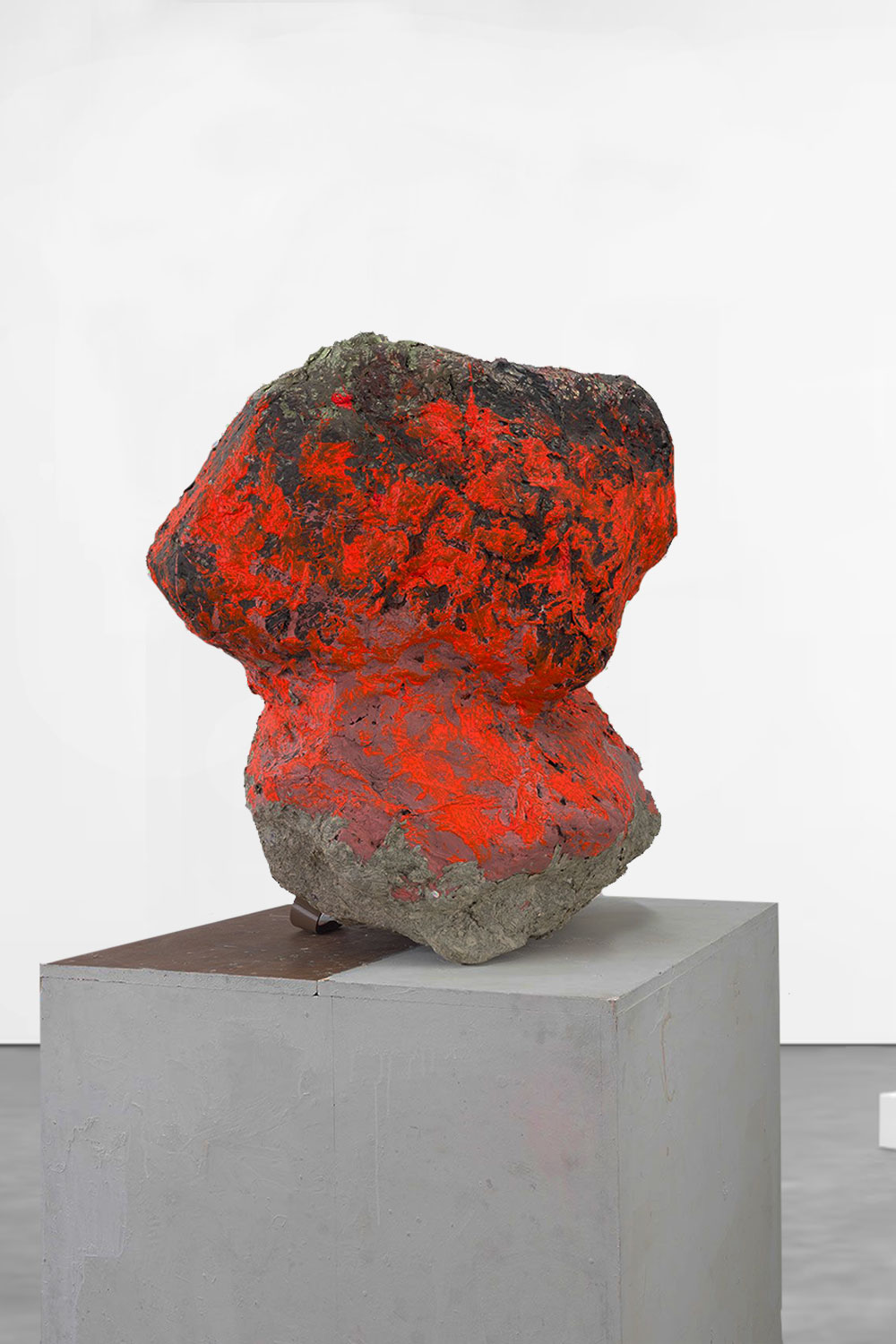
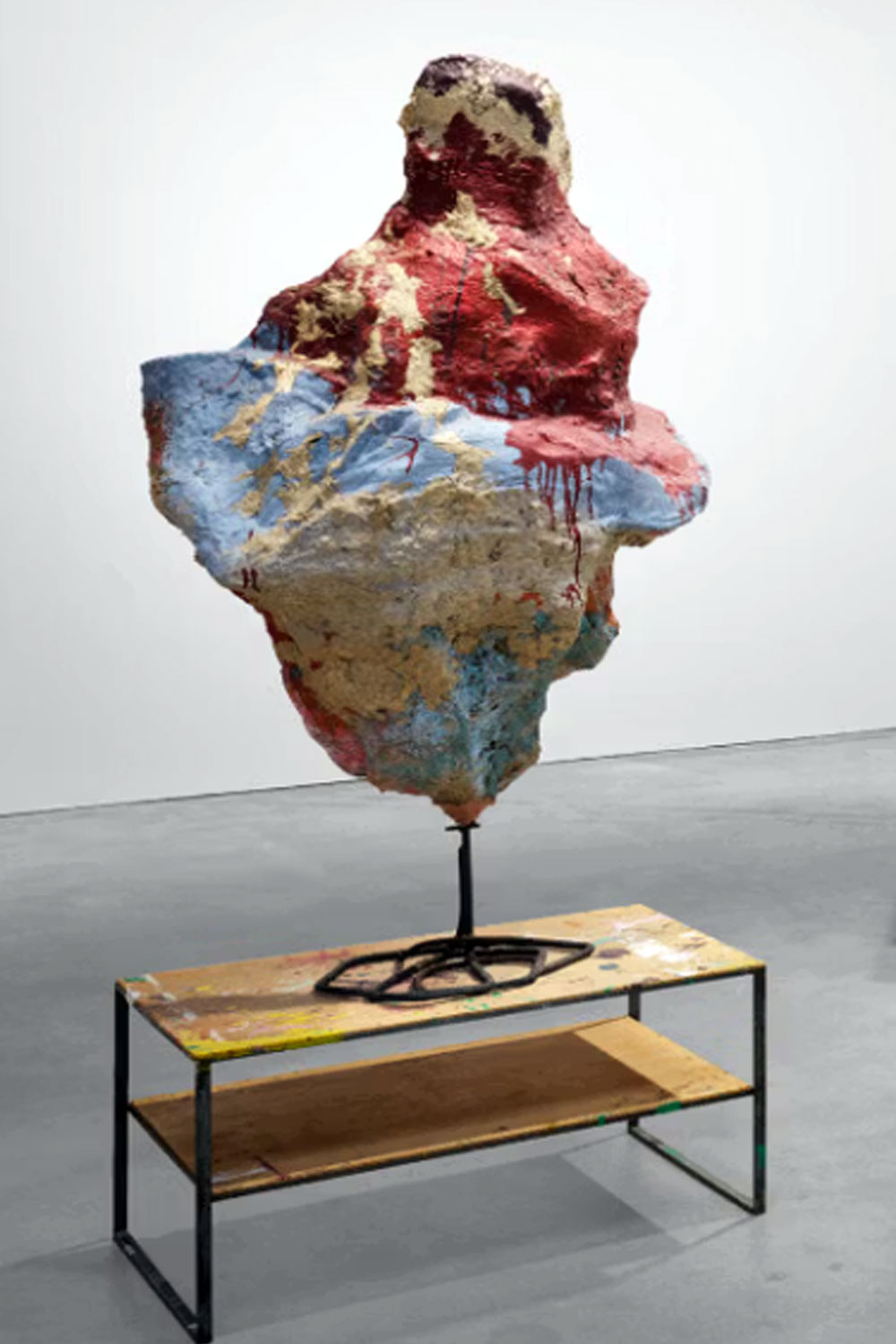
Franz West, Pleonasme
(Pleonasm), 1999, Papier-mâché, plastic, plaster, glue, paint, and tape with painted wood and MDF artist's
pedestal, Overall: 91 x 34 x 41 1/2 inches (231.1 x 86.4 x 105.4 cm)
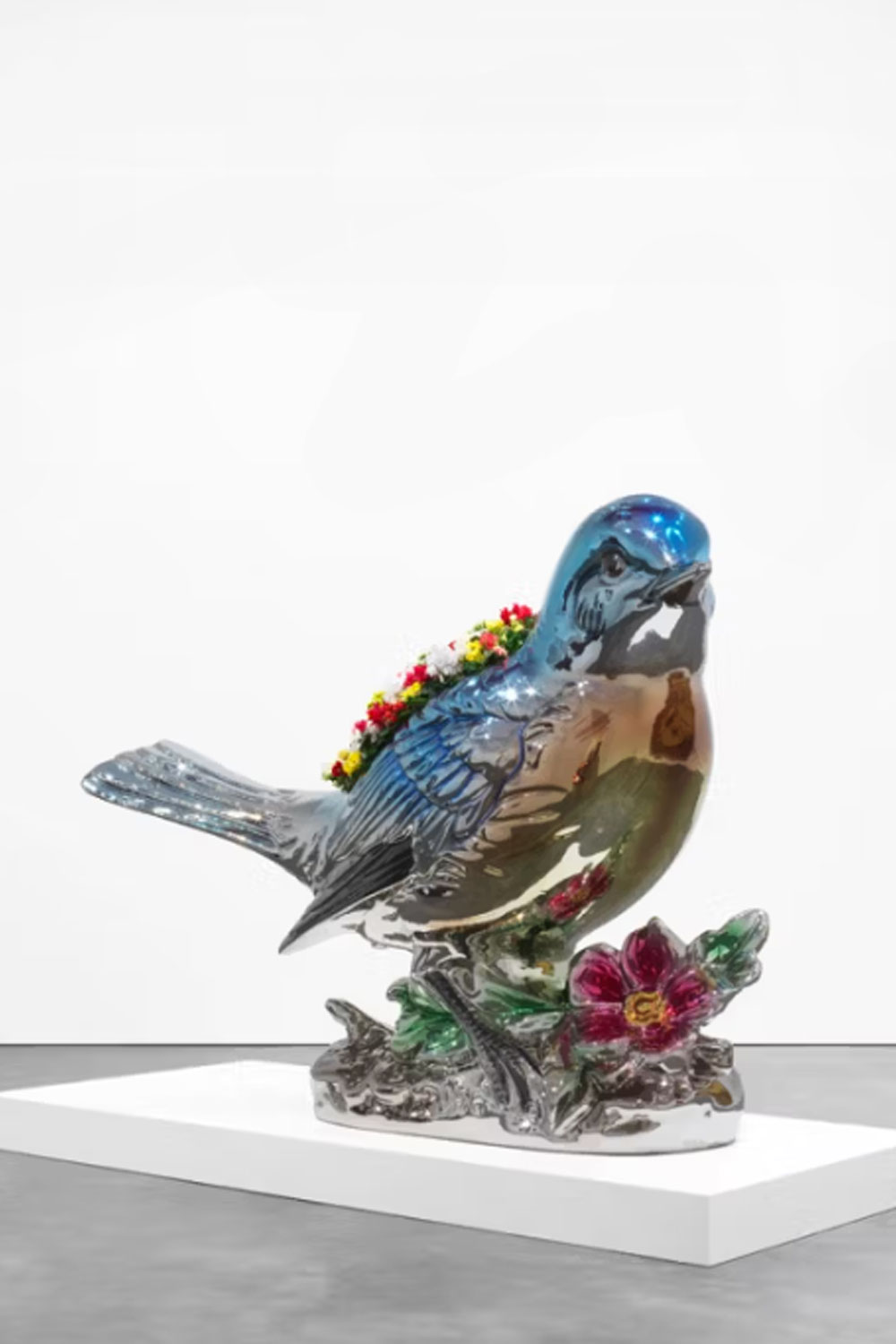
Jeff Koons, Bluebird Planter
(2010–2016), mirror-polished stainless steel sculpture with a transparent color coating, designed to hold live
flowering plants. The sculpture is part of Koons' Antiquity series.
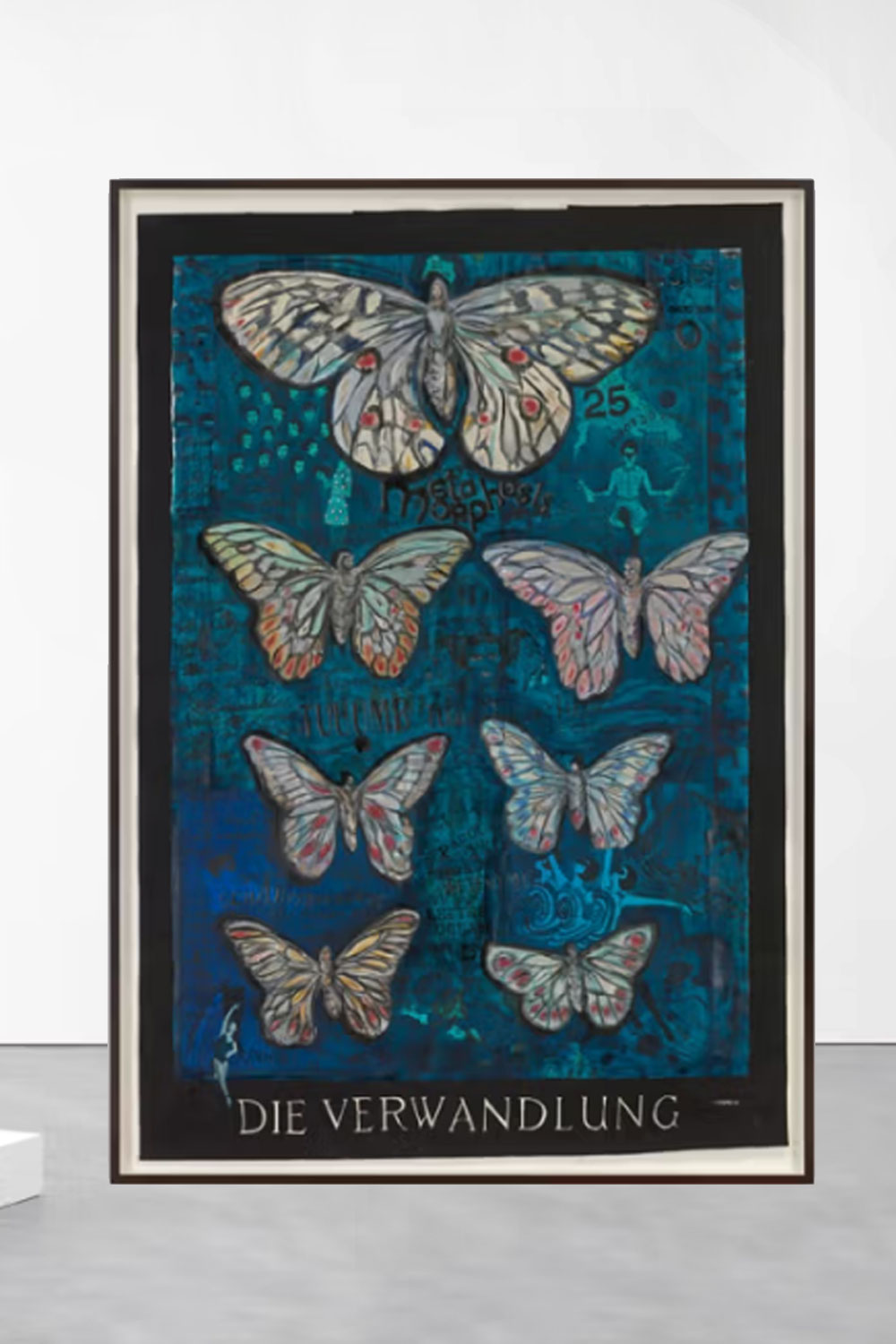
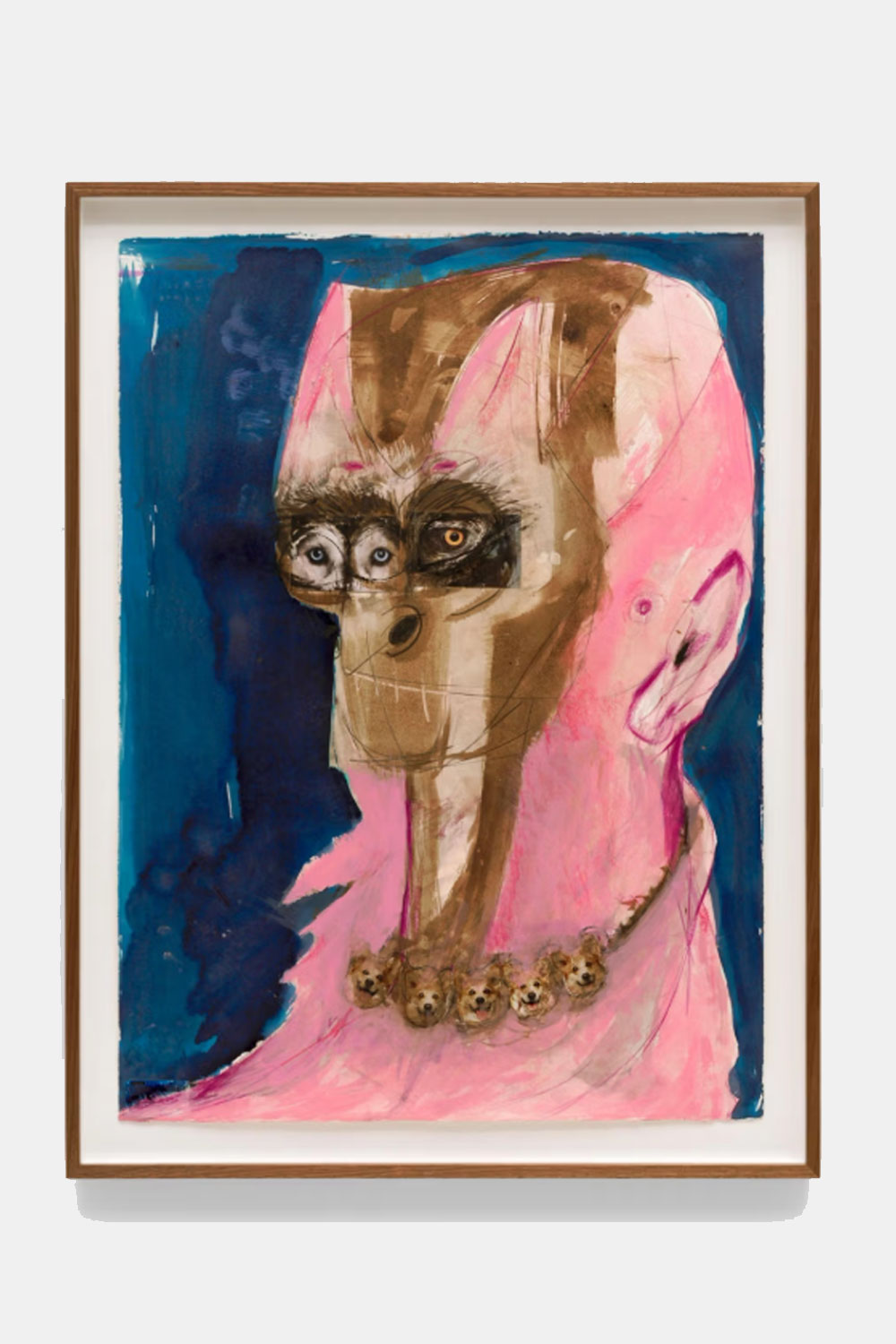
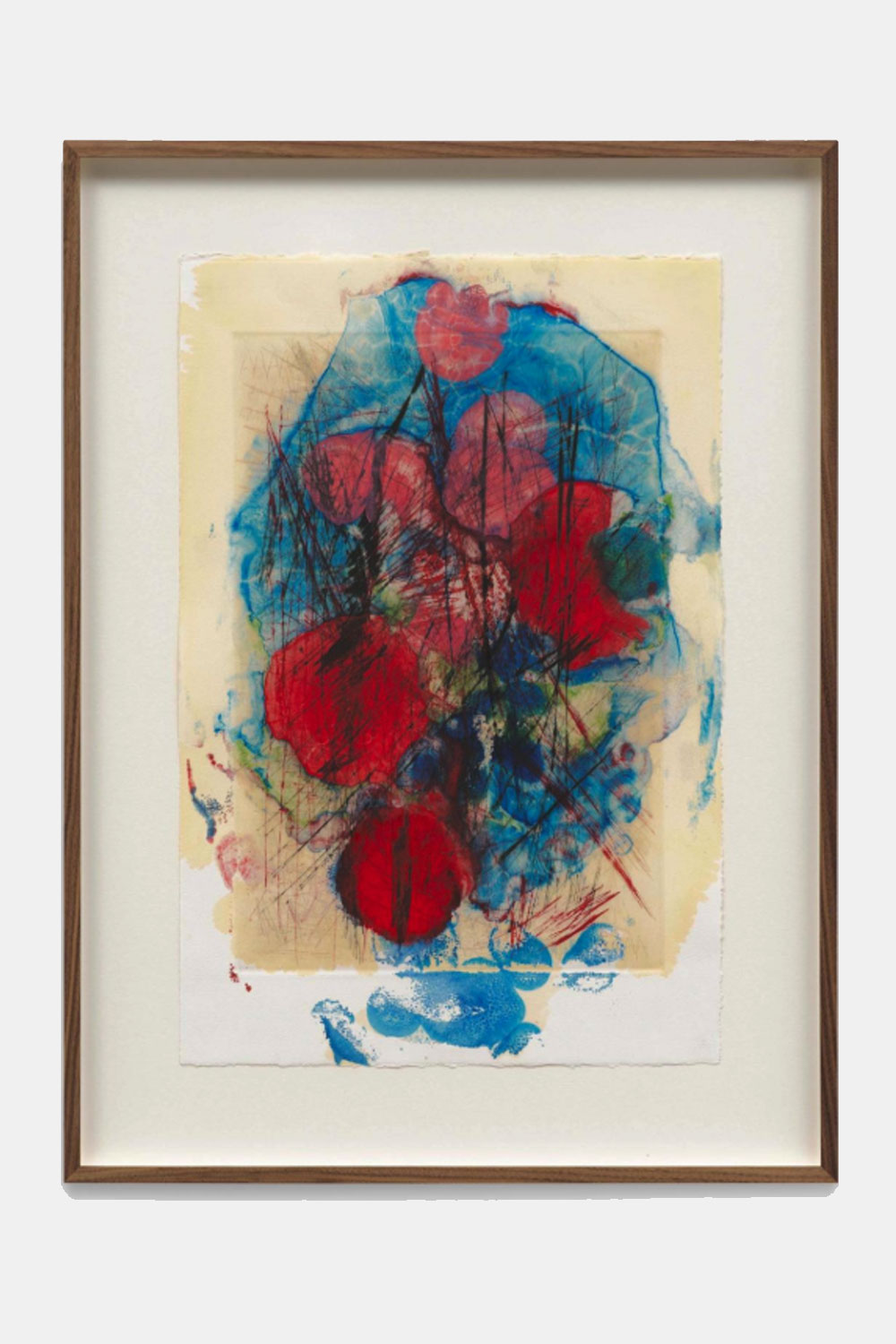
Marcel Dzama, Die
Verwandlung, 2017, Watercolor, ink, and graphite on paper, Framed: 94 3/4 x 66 inches (240.7 x 167.6 cm)
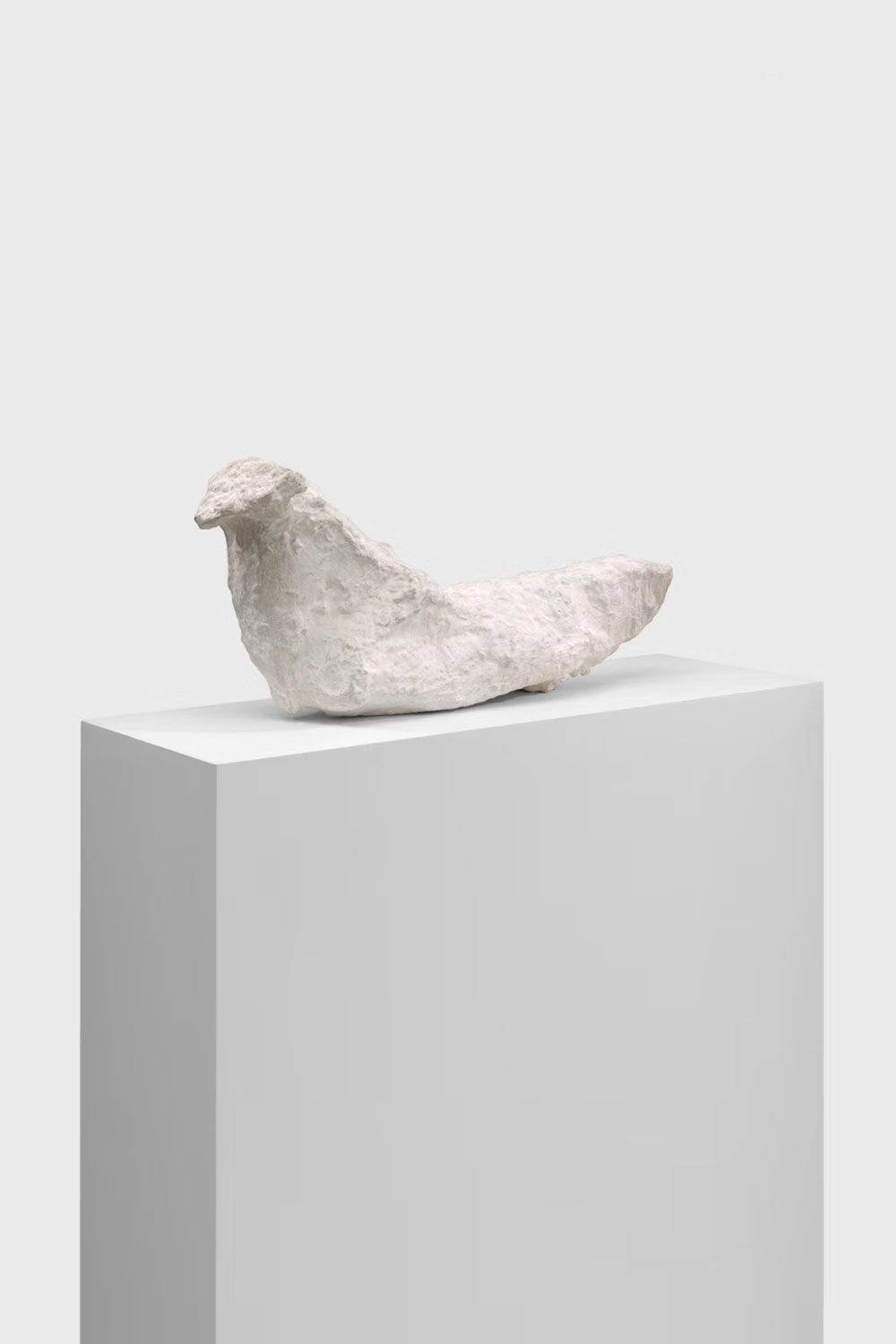
Franz West
(1947–2012), Conceptual sculpture, Title: BI 11, Medium: Plaster, paint, and papier-mâché,
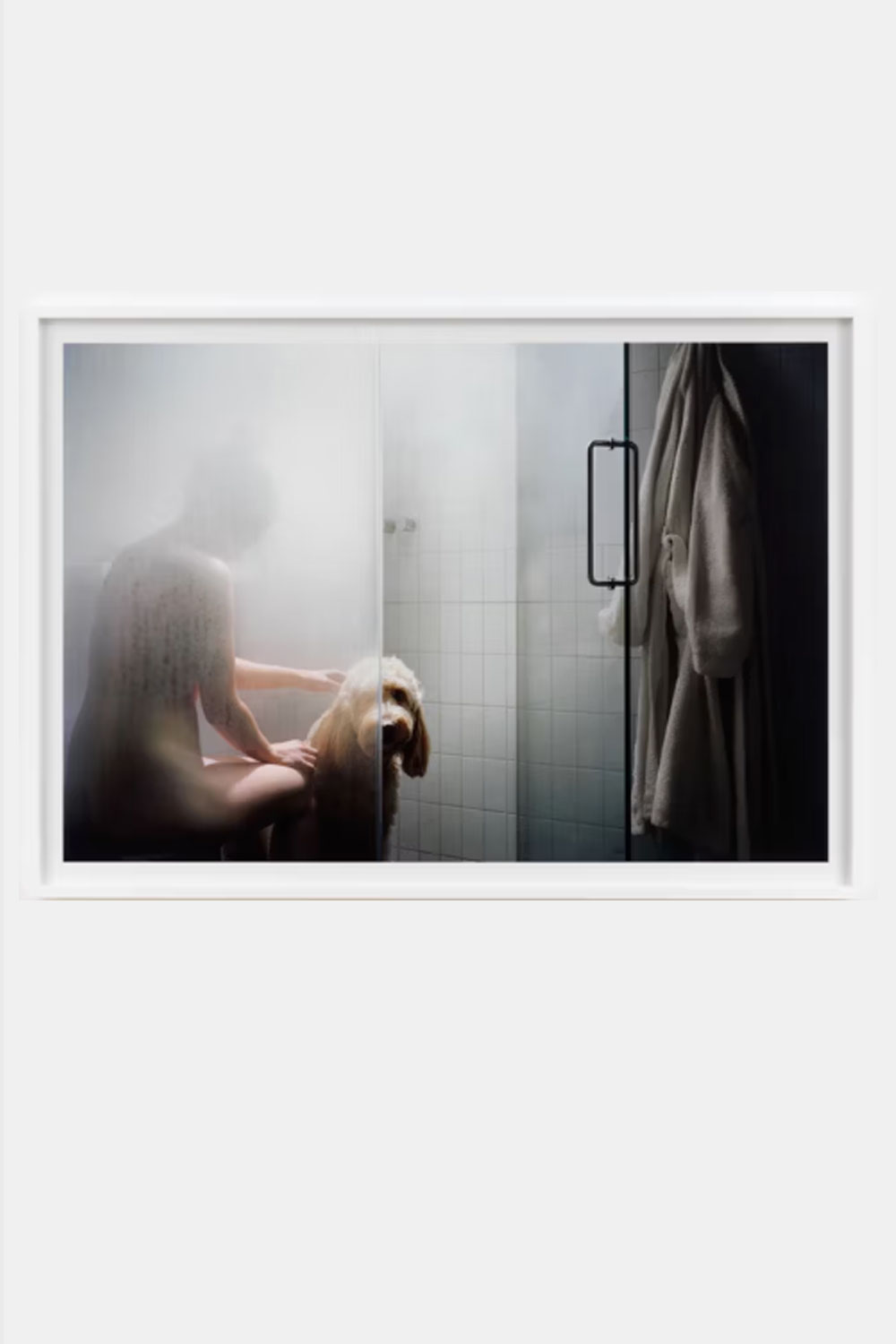
Philip-Lorca diCorcia,
Buddy, 2017, Inkjet print, Framed: 45 1/4 x 64 1/2 inches (114.9 x 163.8 cm)
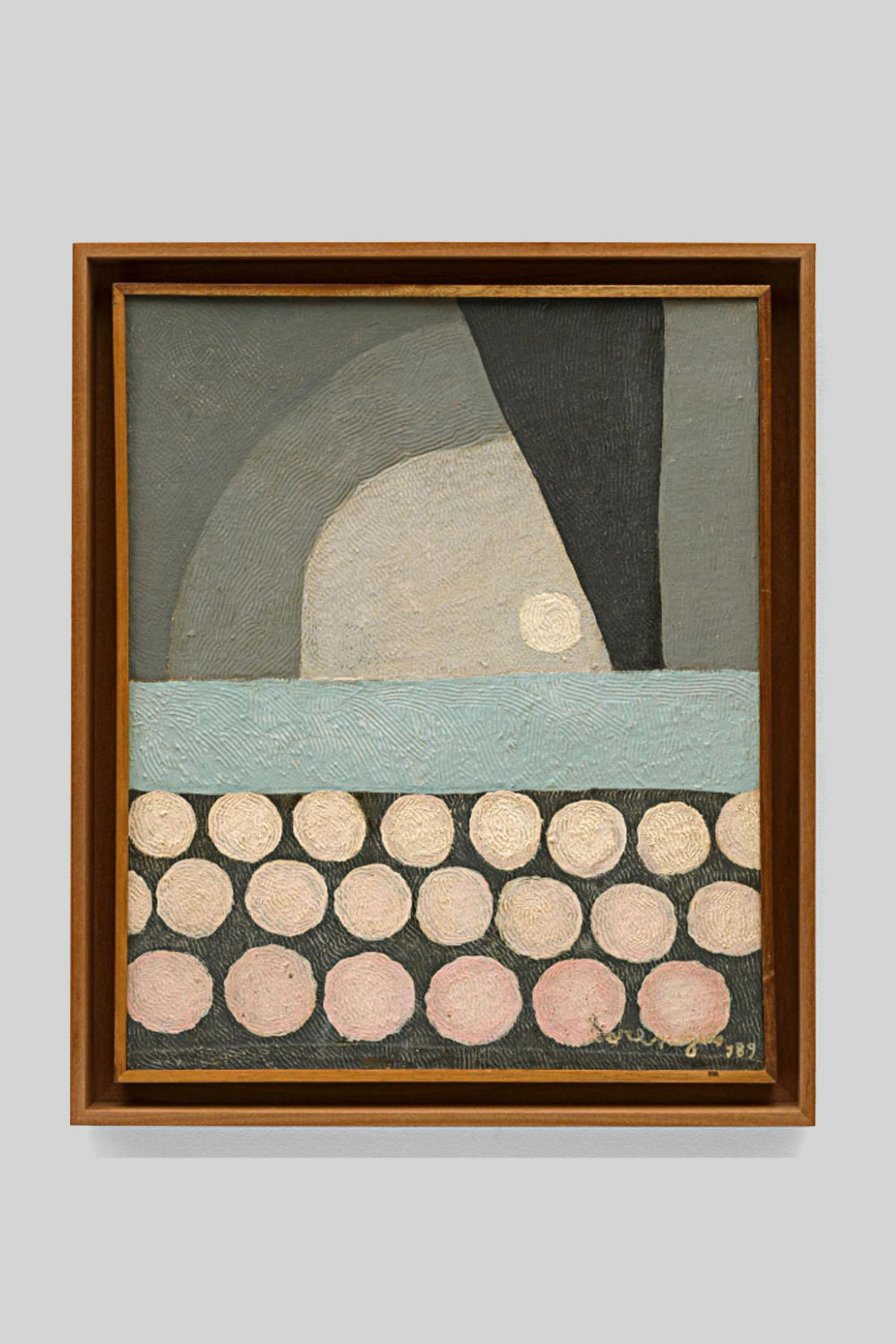
Amadeo Luciano Lorenzato,
Sem título (Untitled), 1989, Oil on board
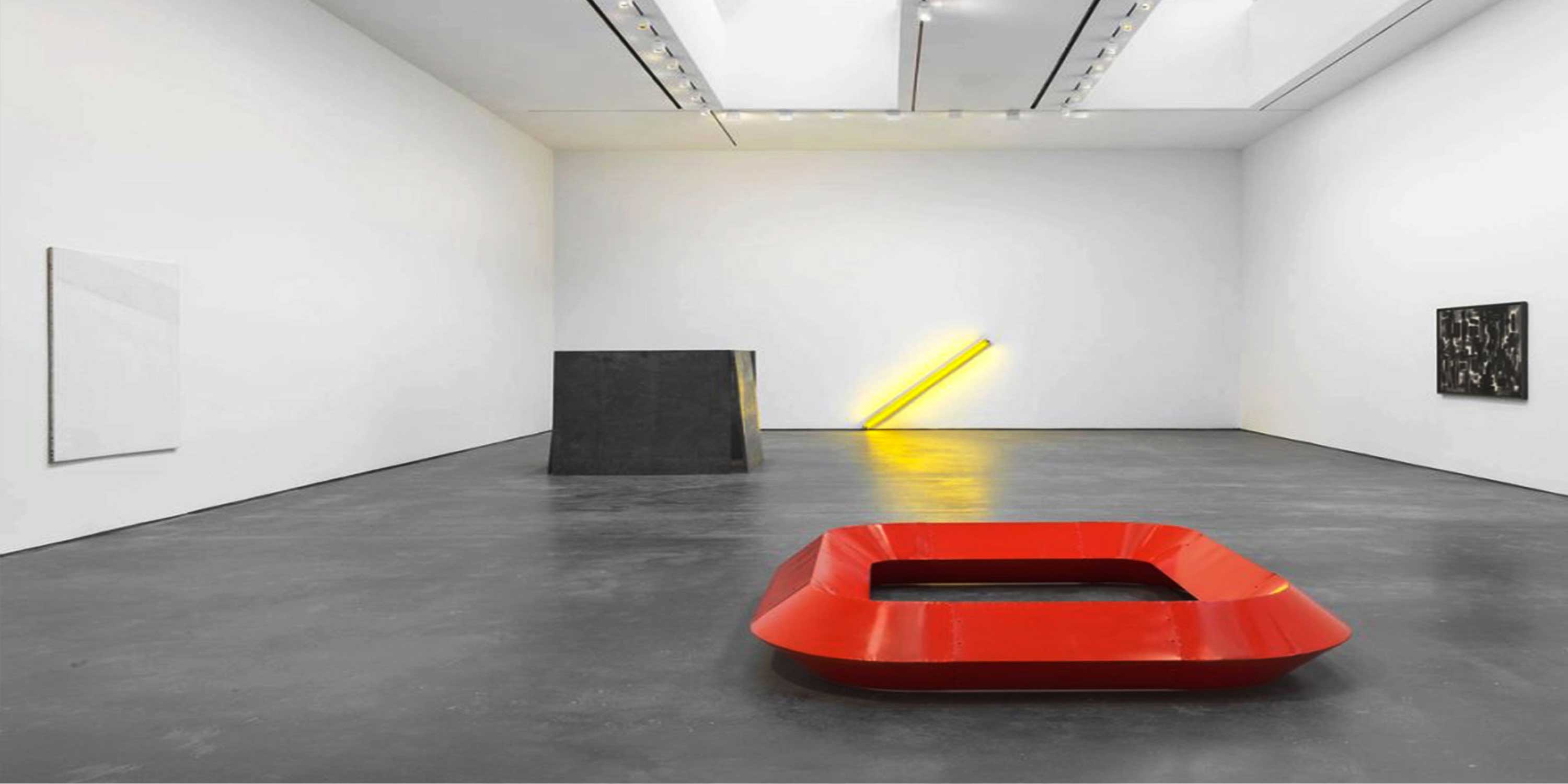
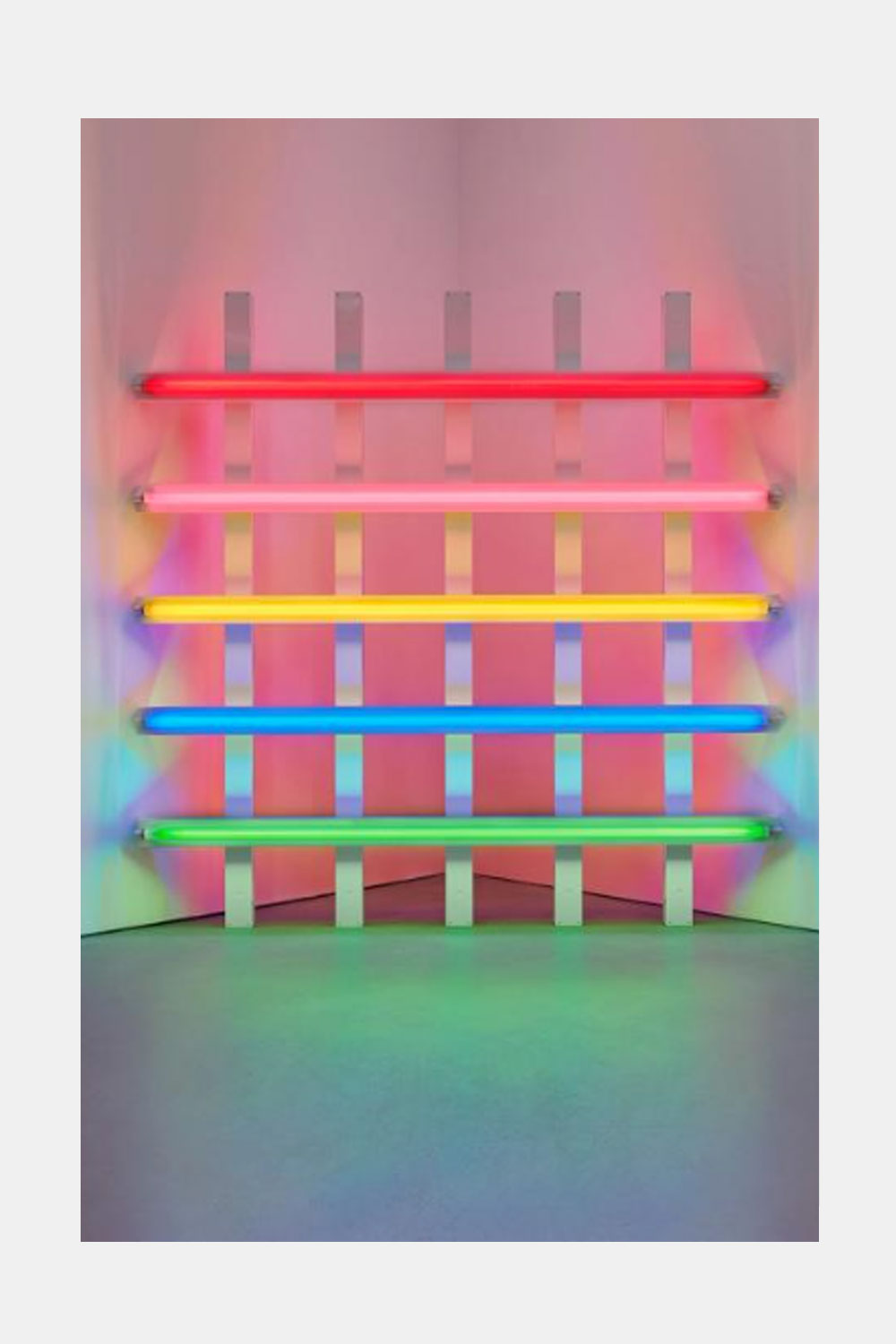
This work is a significant example of Minimalist art, a movement Donald Judd / Dan Flavin helped define.
Wolfgang Tillmans,
Vapeur, 2017, Inkjet print on paper, clips, 161 3/4 x 108 1/8 inches (410.8 x 274.6 cm)
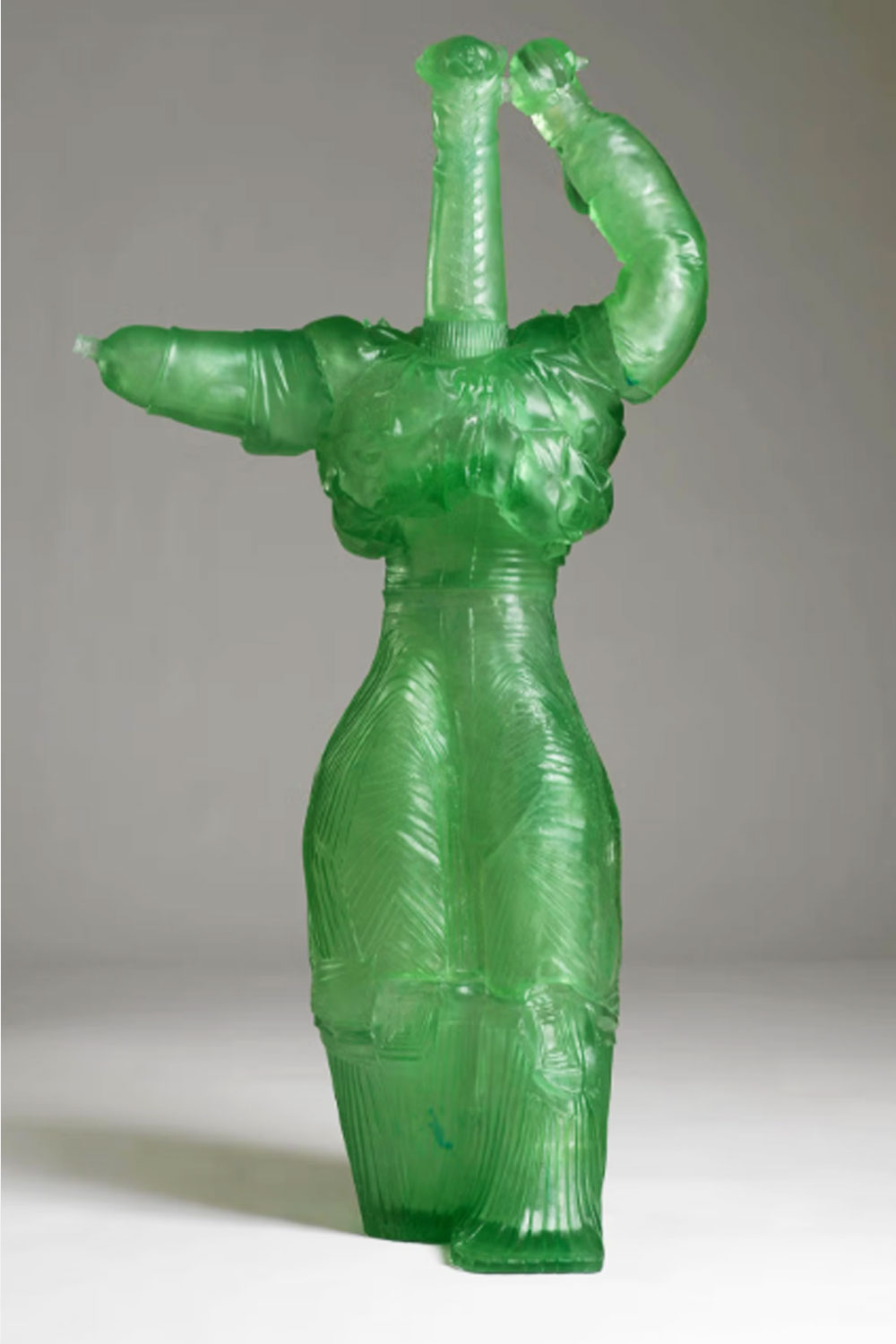
Sculpture by Andra
Ursuţa, titled Half-Drunk Mummy, made in 2020, made of lead crystal
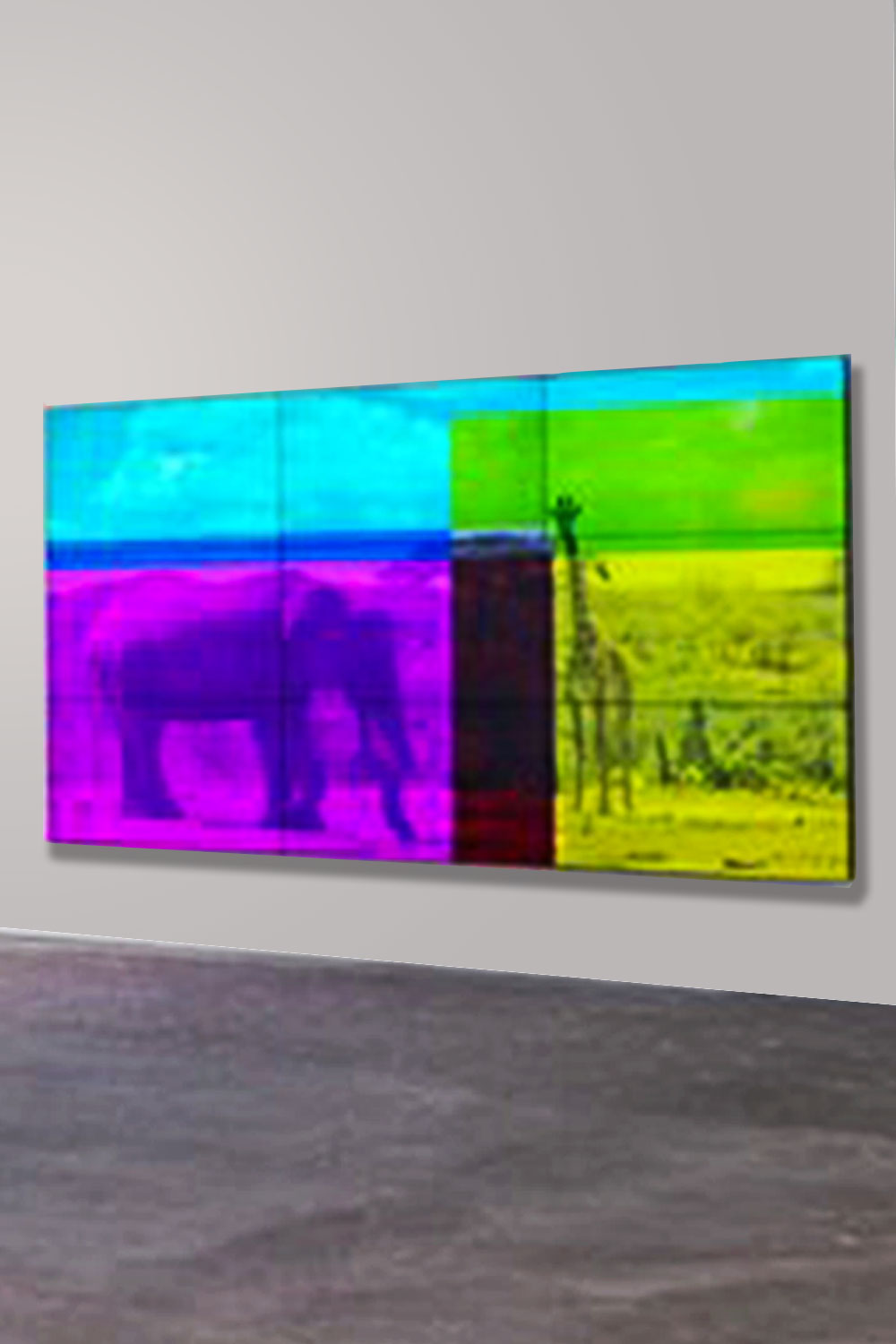
video: A Runaway World,
Diana Thater, The installation features manipulated footage of animals, such as an elephant and a giraffe, often
displayed in saturated, non-natural colors across multiple screens.
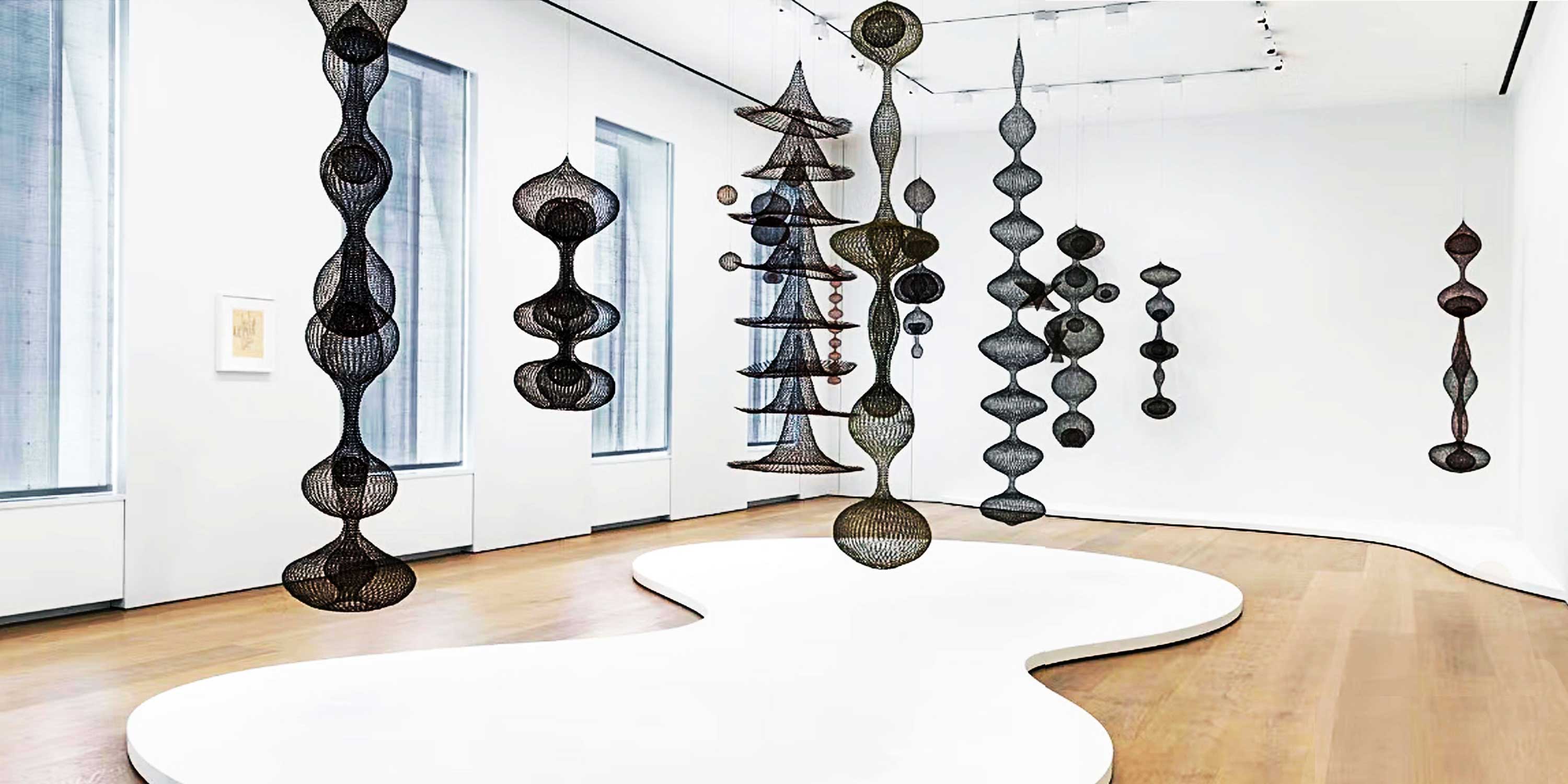
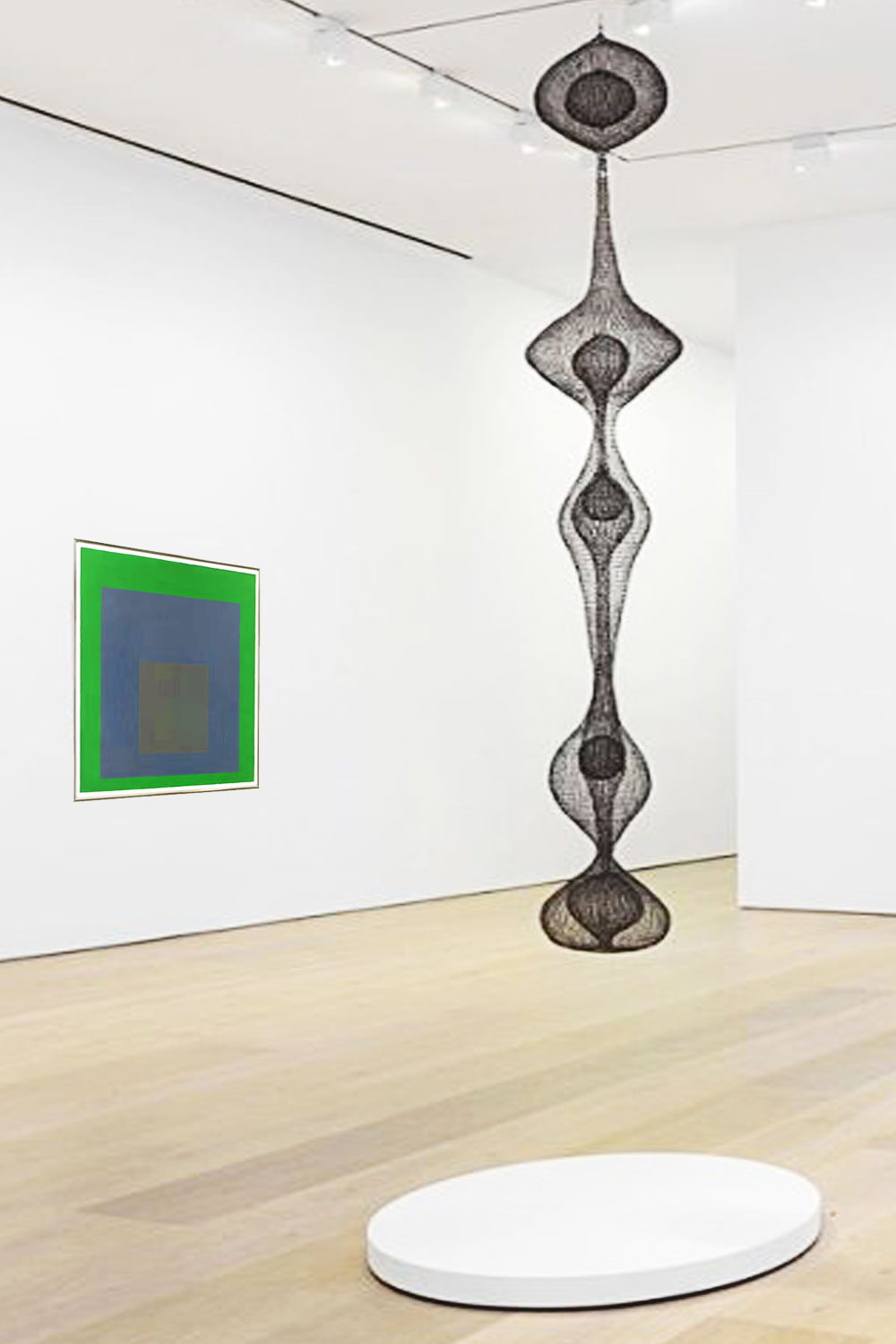
Ruth Asawa, Continuous (S.340, Hanging, Miniature Single-Lobed, Three Layered Continuous Form within a Form), c. 1981-1982
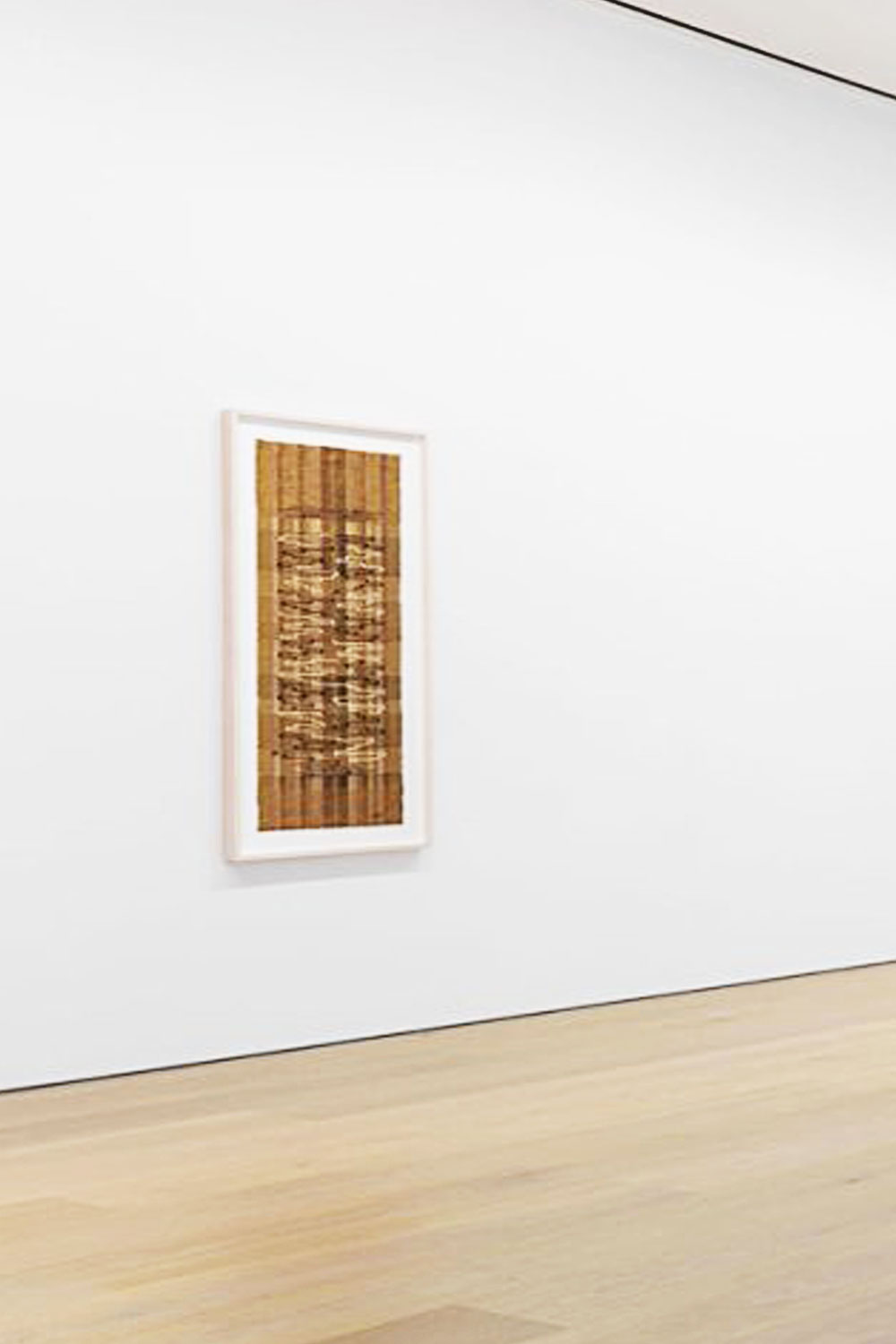
Anni Albers,
Black-White-Gold I, Anni Albers (1899–1994) was a pioneering textile artist and designer considered one of the
most important of the 20th century.
Ruth Asawa, Untitled (S.535,
Hanging Five Lobed Continuous Form within a Form and Two Interior Spheres and One Teardrop Form), 1951, Hanging
sculpture—iron and brass wire, 87 x 12 1/2 x 12 1/2 inches (221 x 31.8 x 31.8 cm)
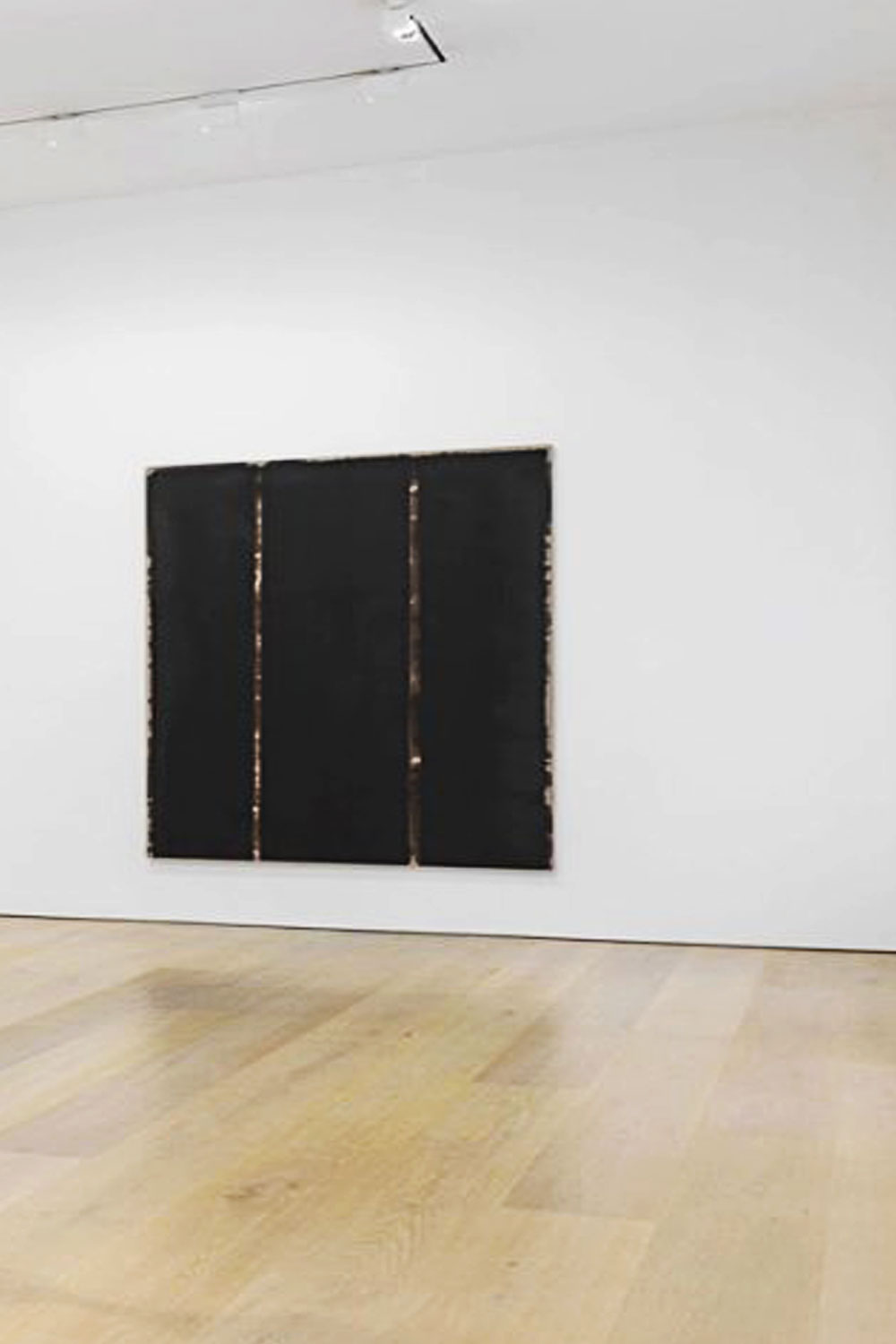
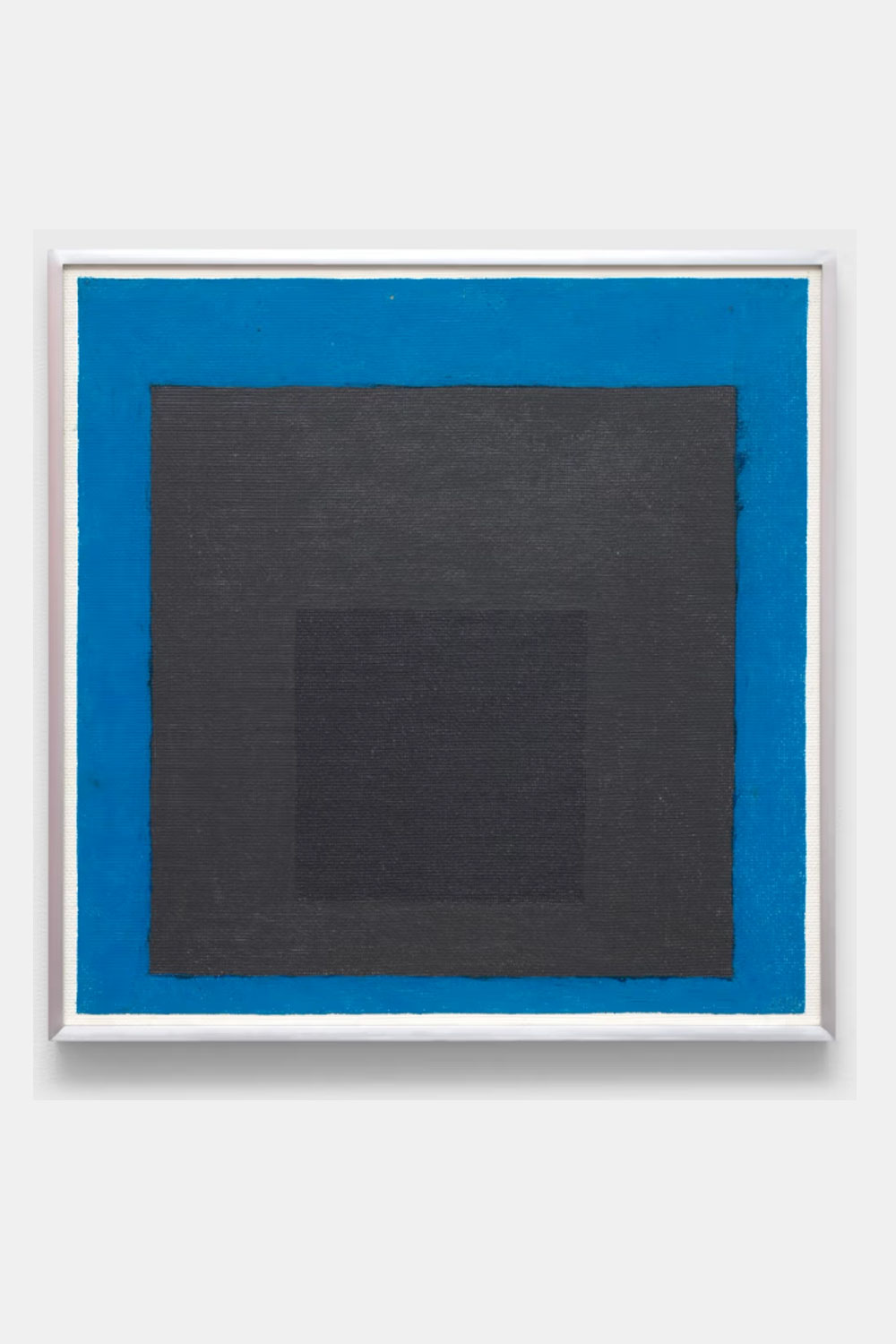
Burnt Umber &
Ultramarine by the Korean artist Yun Hyong-keun (1928–2007), was a leading figure in the Korean art movement
known as Dansaekhwa, or the Monochrome Movement.
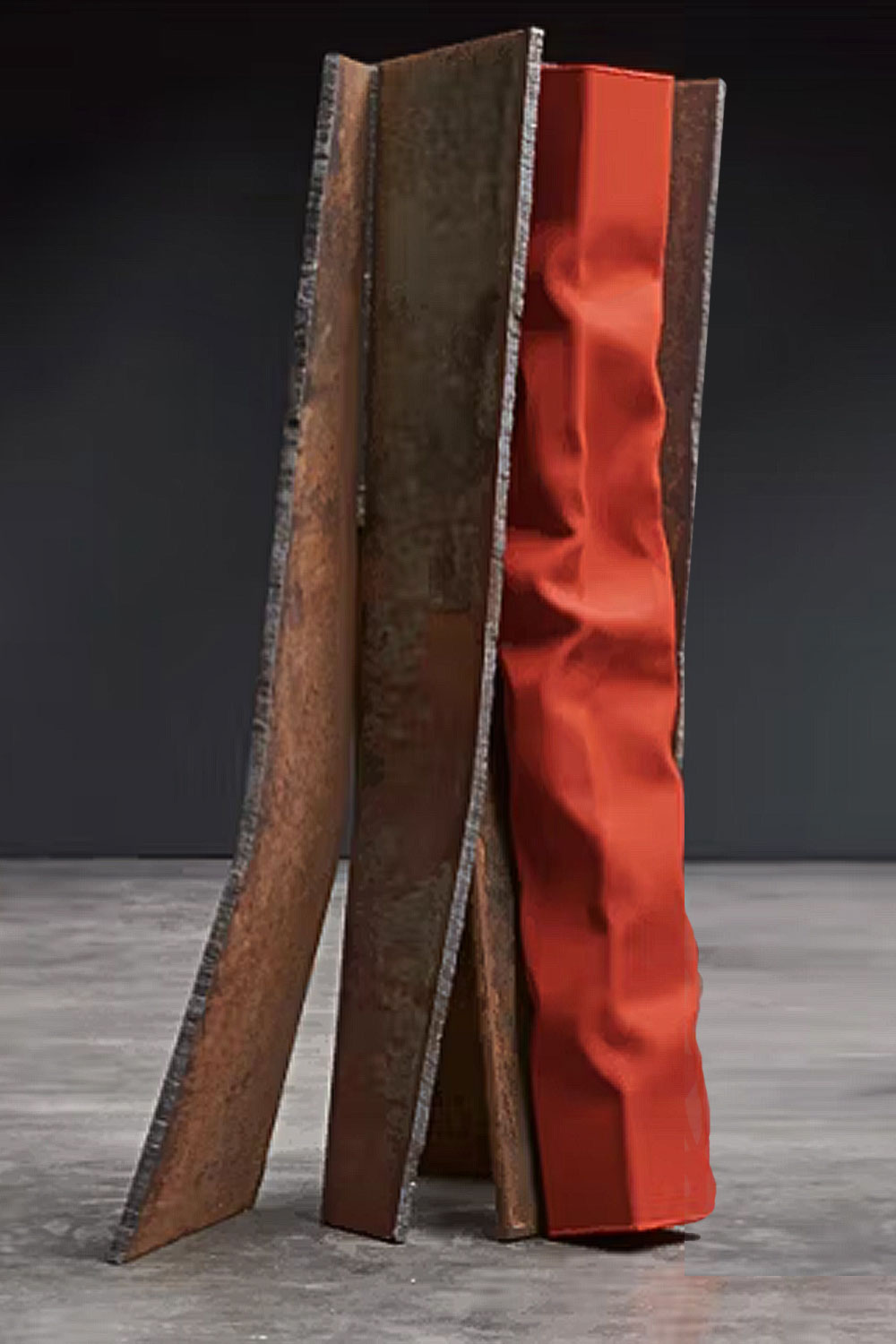
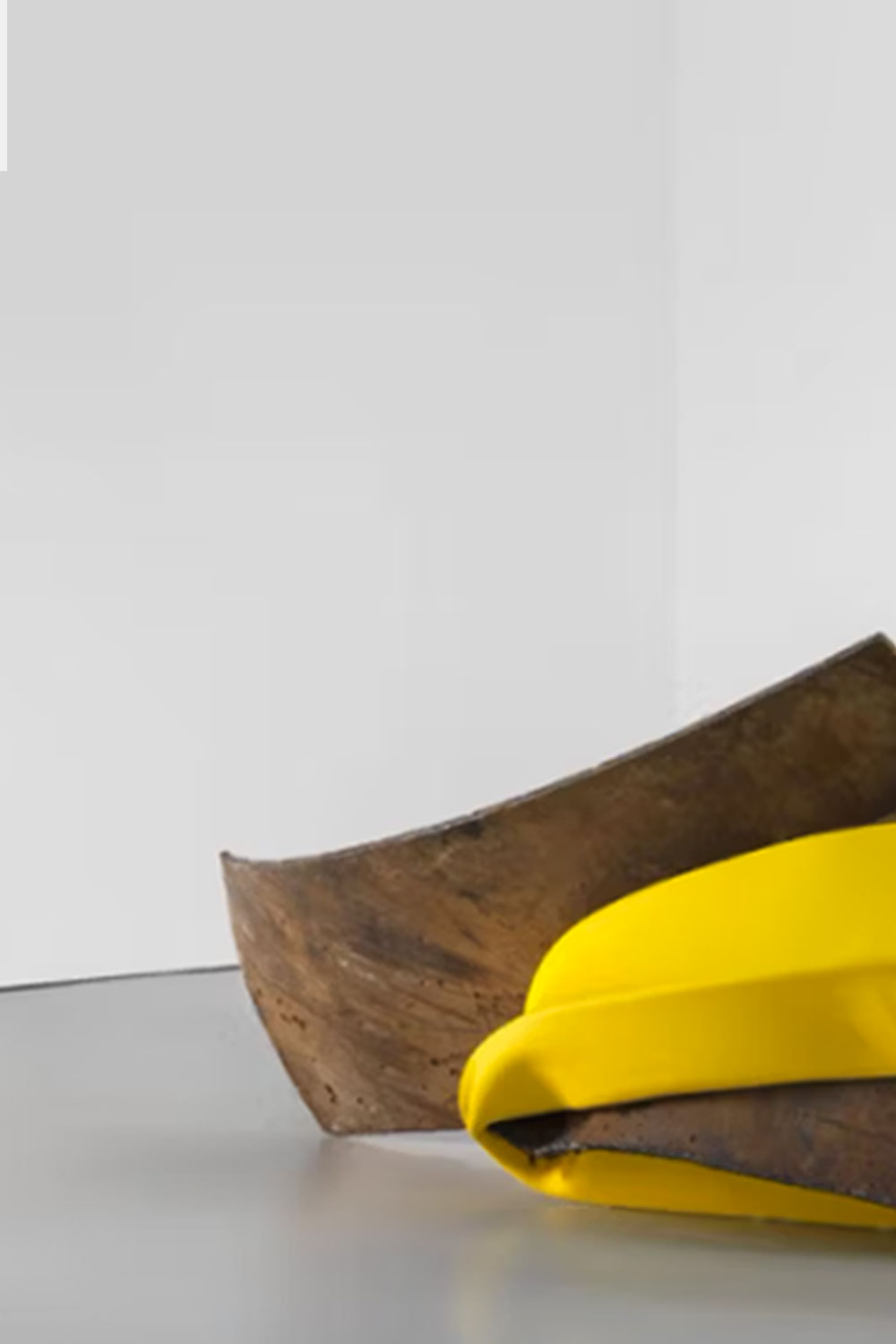
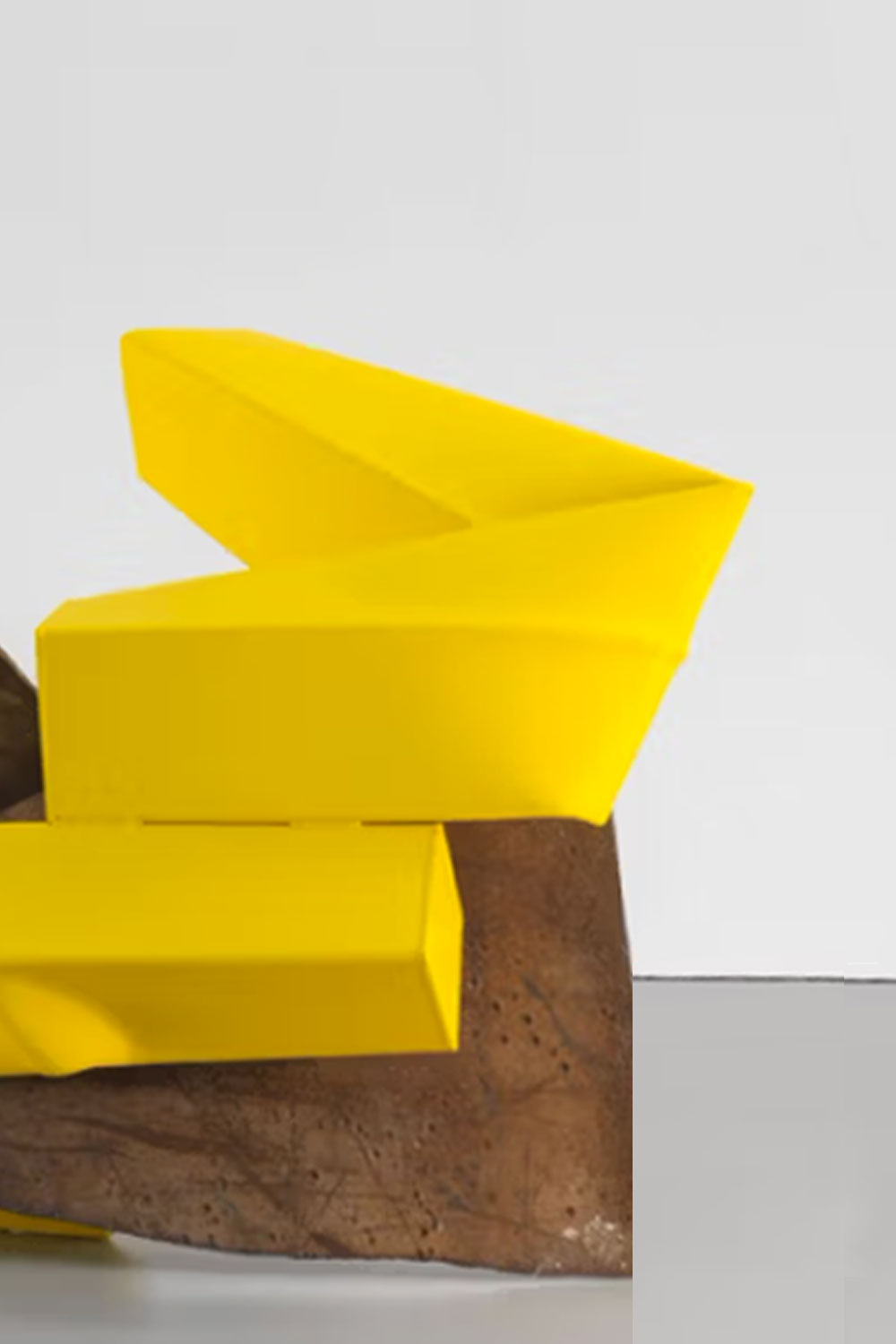
Carol Bove's "Chimes at
Midnight" series. The work emphasizes verticality and is made from rusted hot-rolled steel and a crumpled,
cadmium-red element.
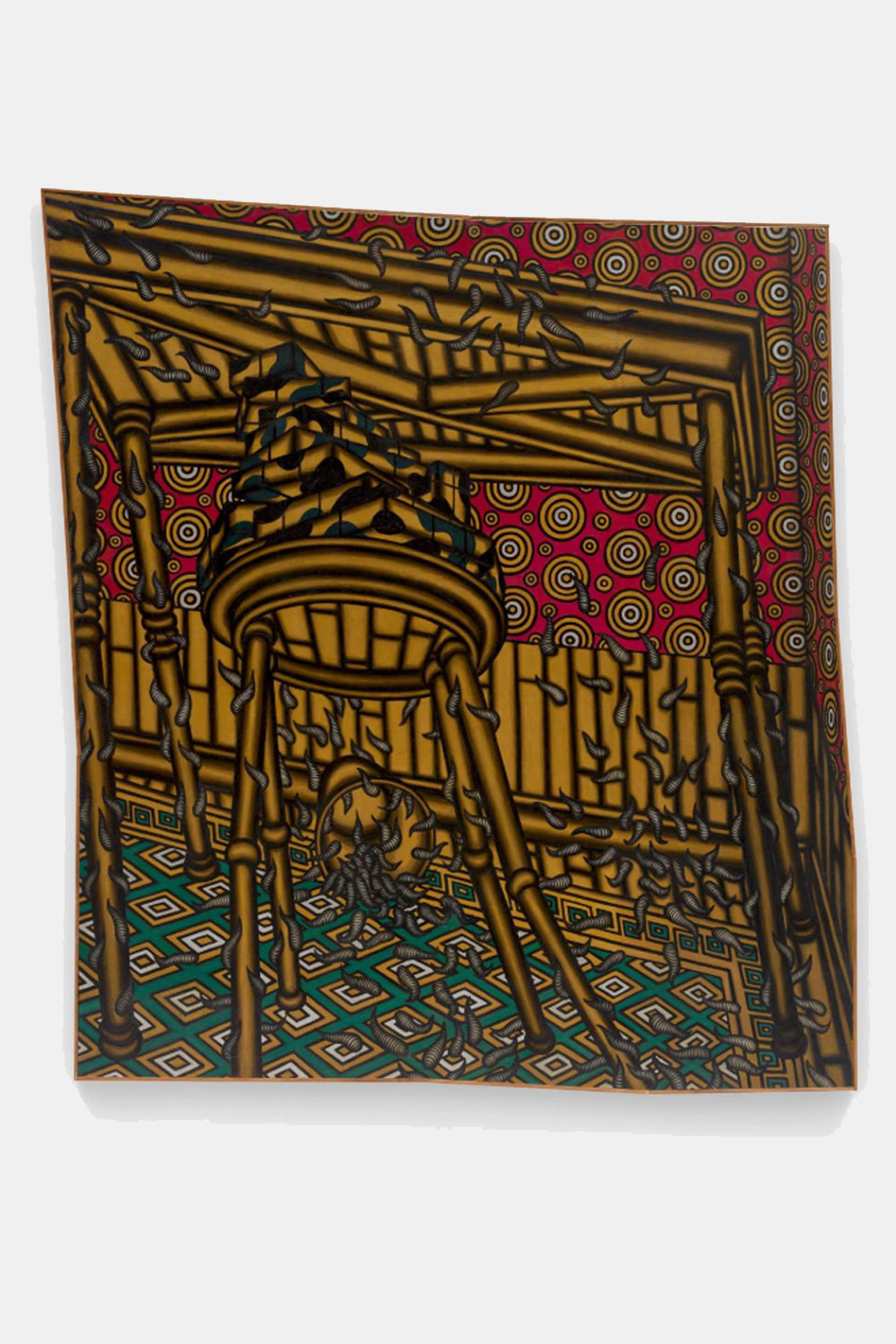
On Kawara, Golden Home
(1954), The painting depicts a view looking up from the ground towards the underside of a table and a stool.
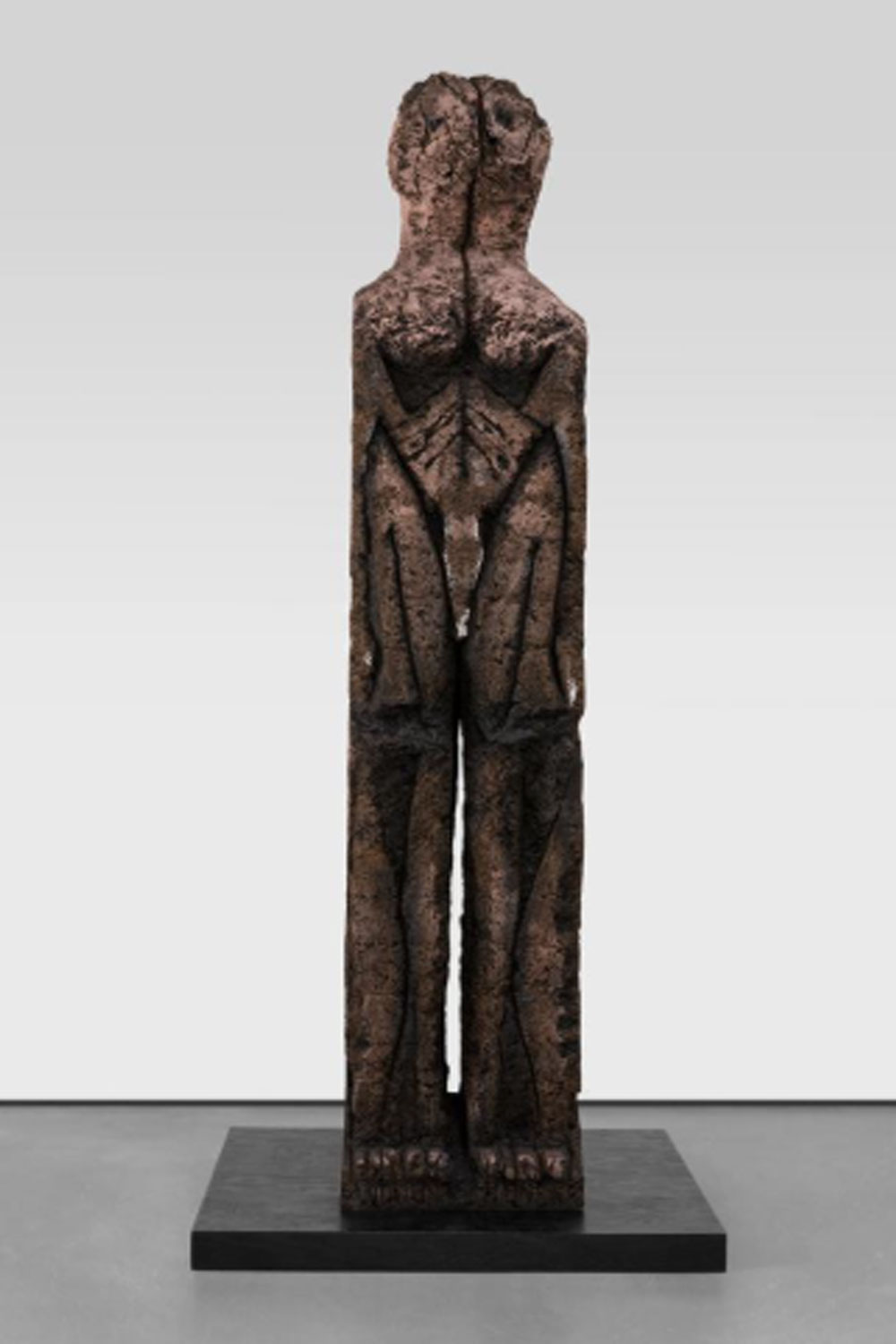
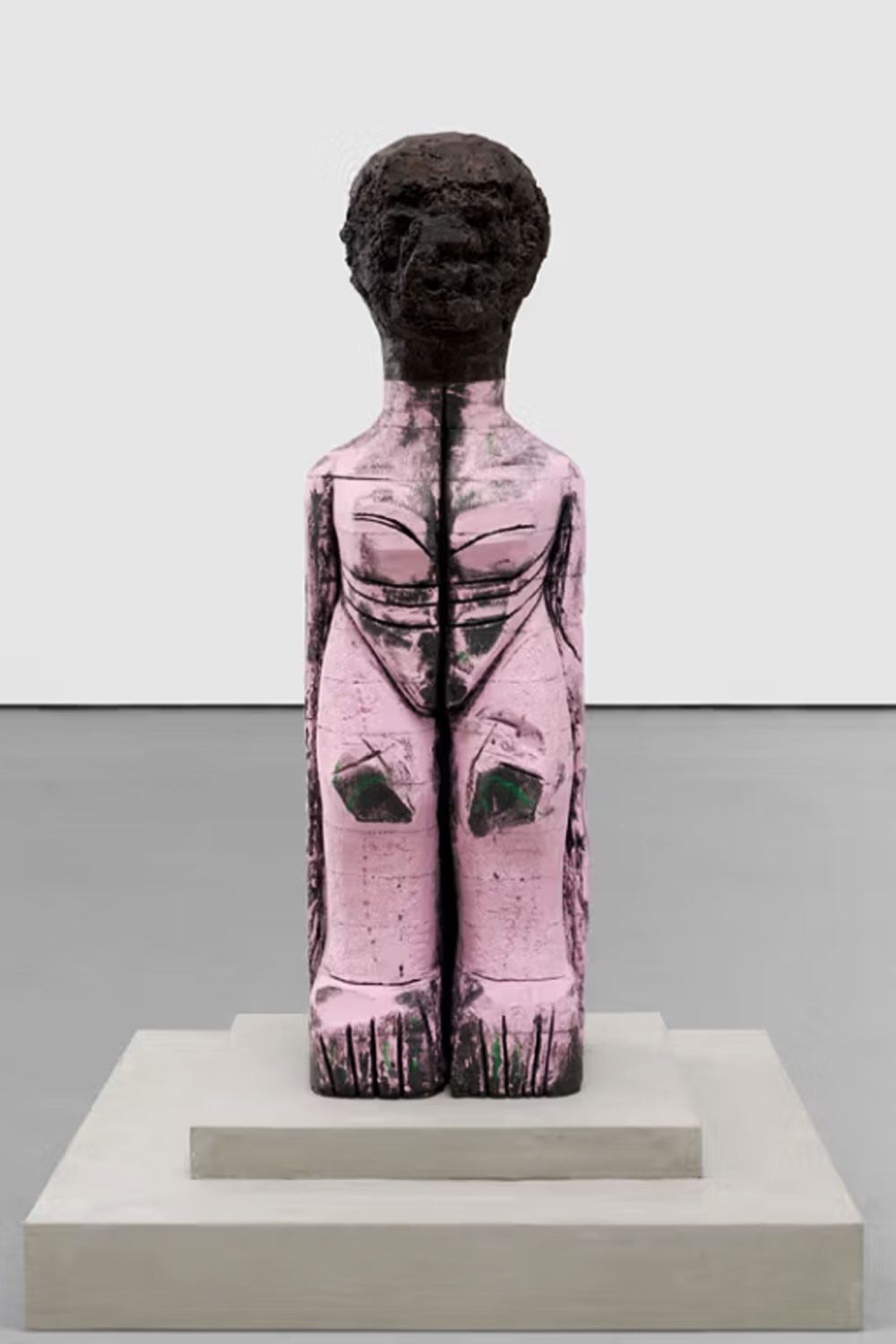
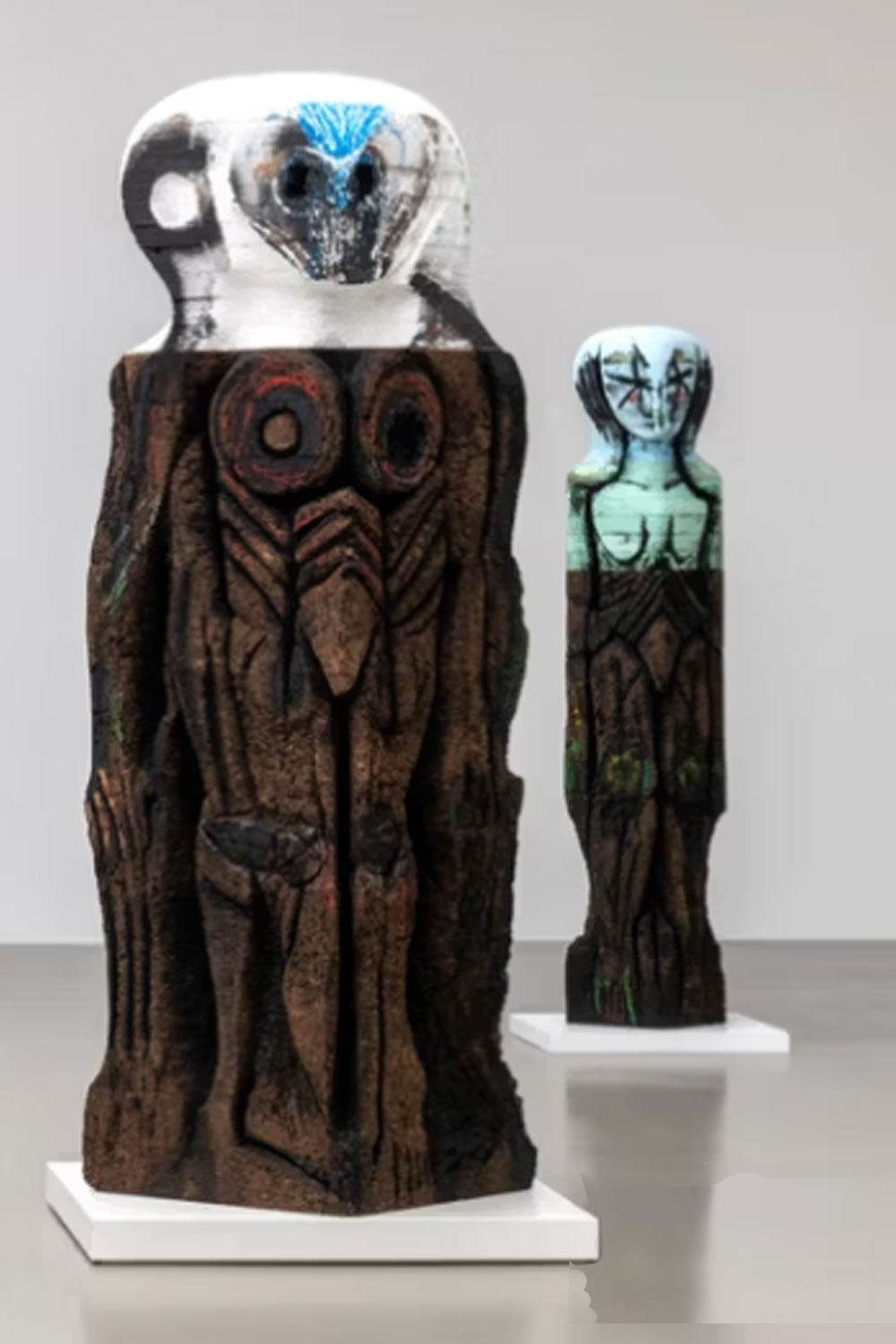
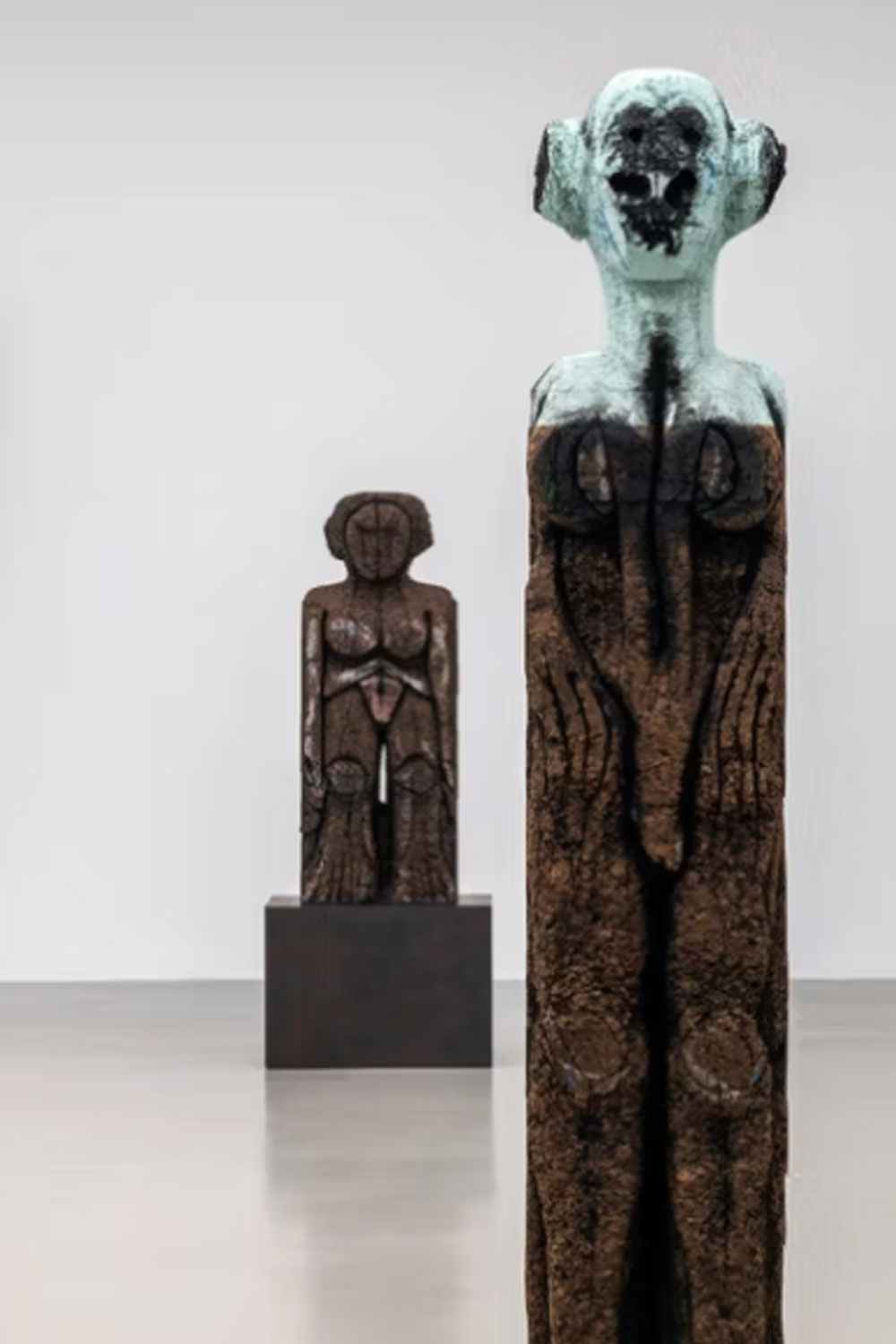
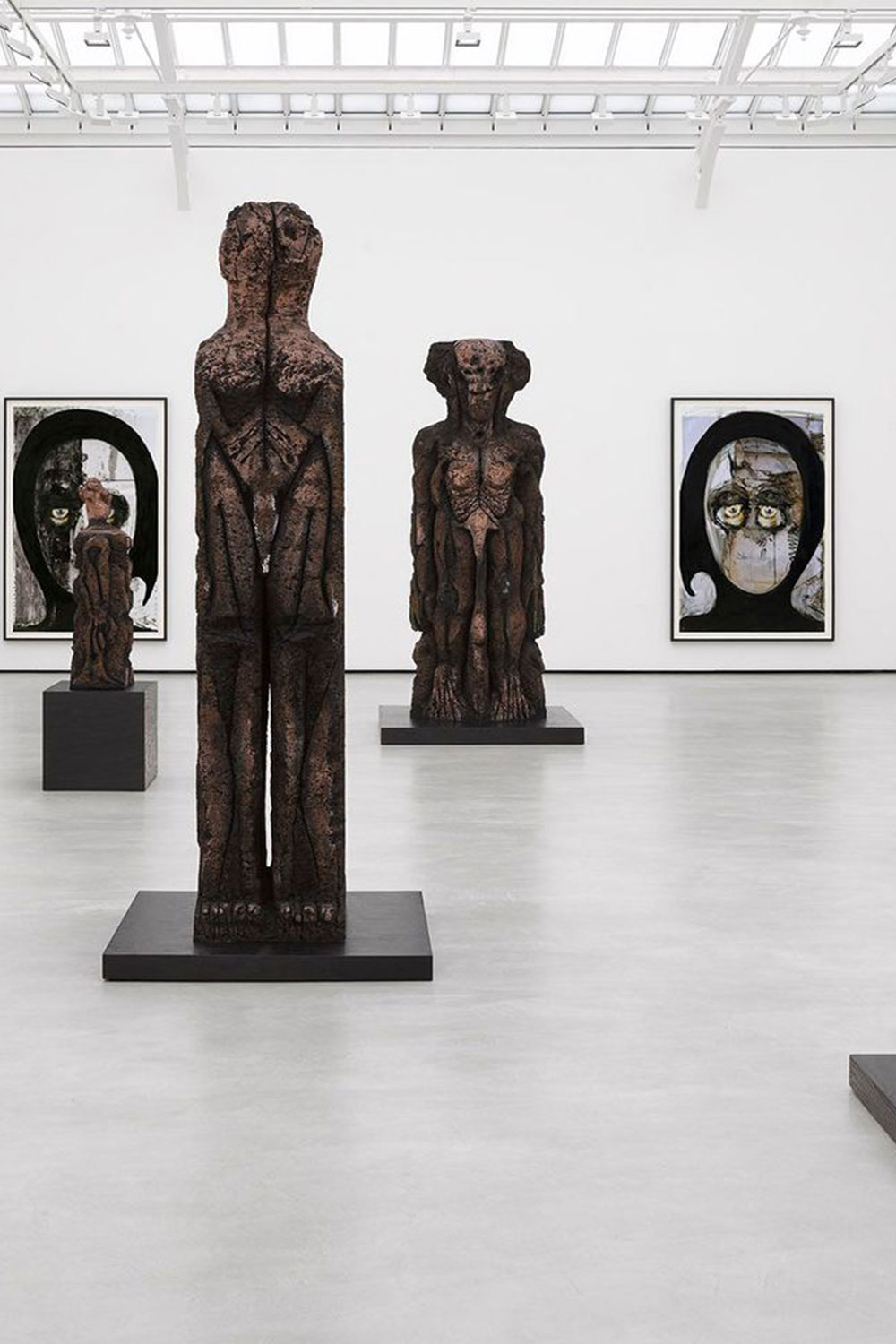
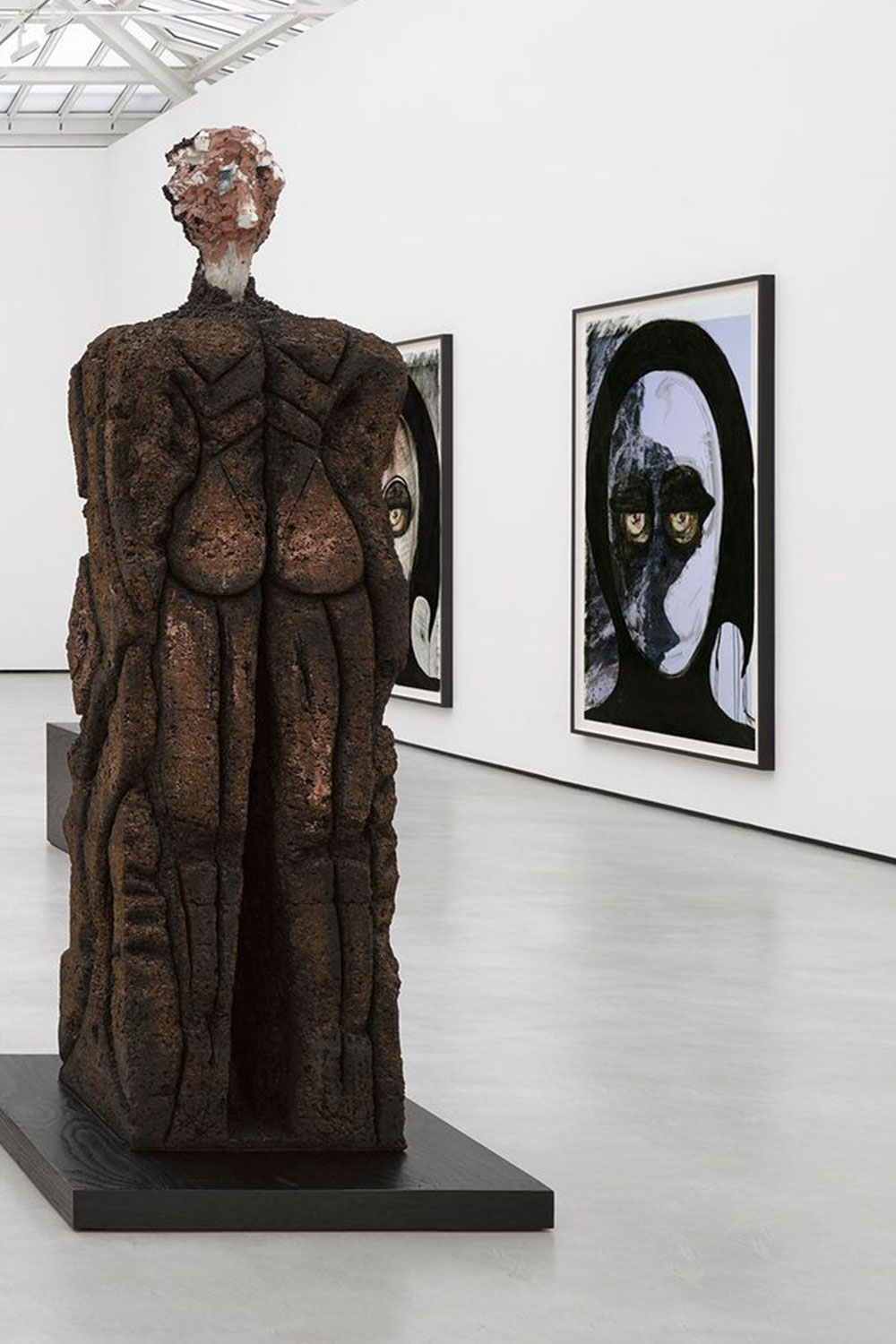
Huma Bhabha, The
Interlocutor, created in 2021, made from cork, acrylic, oil stick, and lipstick
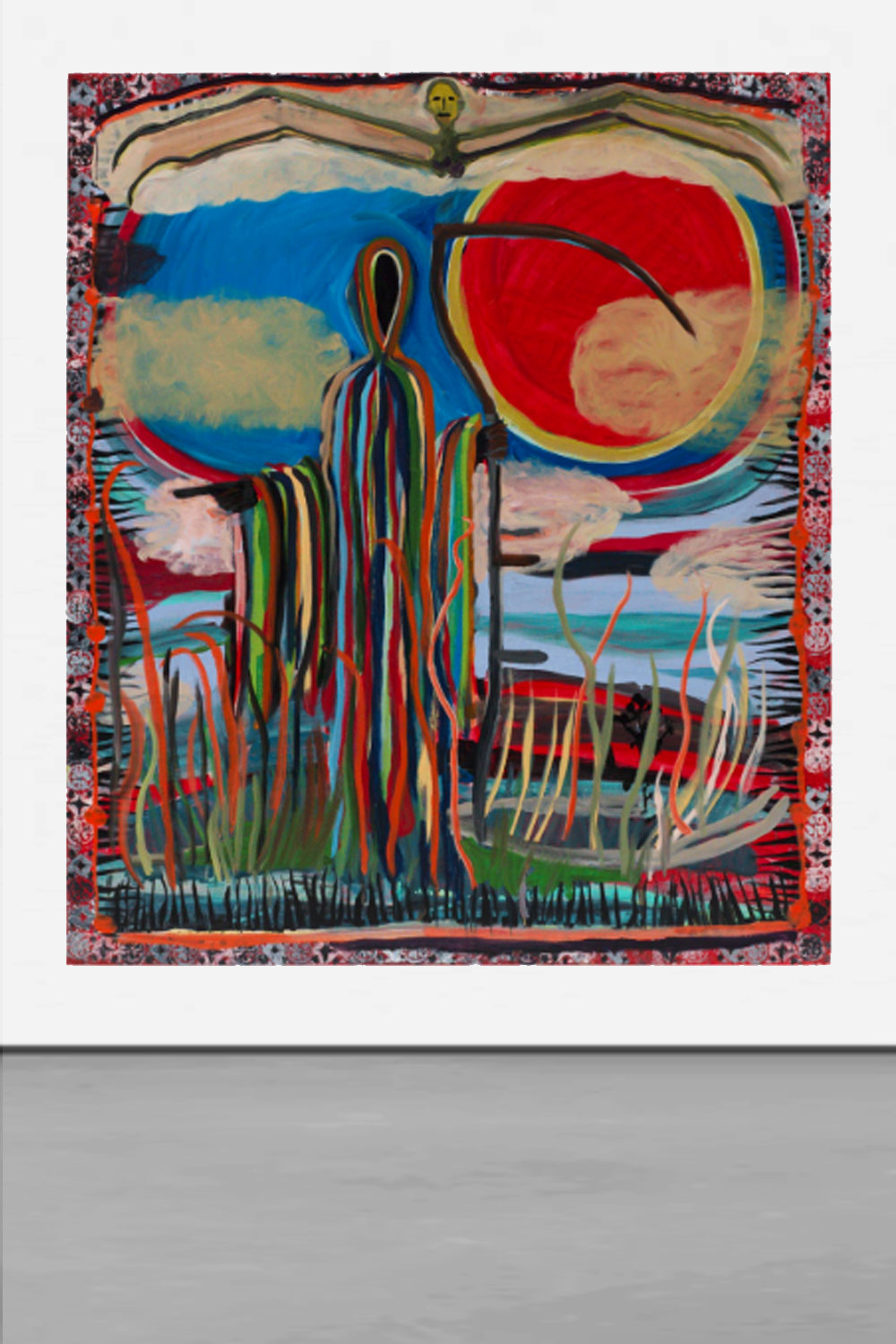
Josh Smith, Land of the
Living, 2019, part of his ongoing "Reaper" series, oil on linen painting, measuring 72 x 60 inches (182.9 x 152.4
cm),
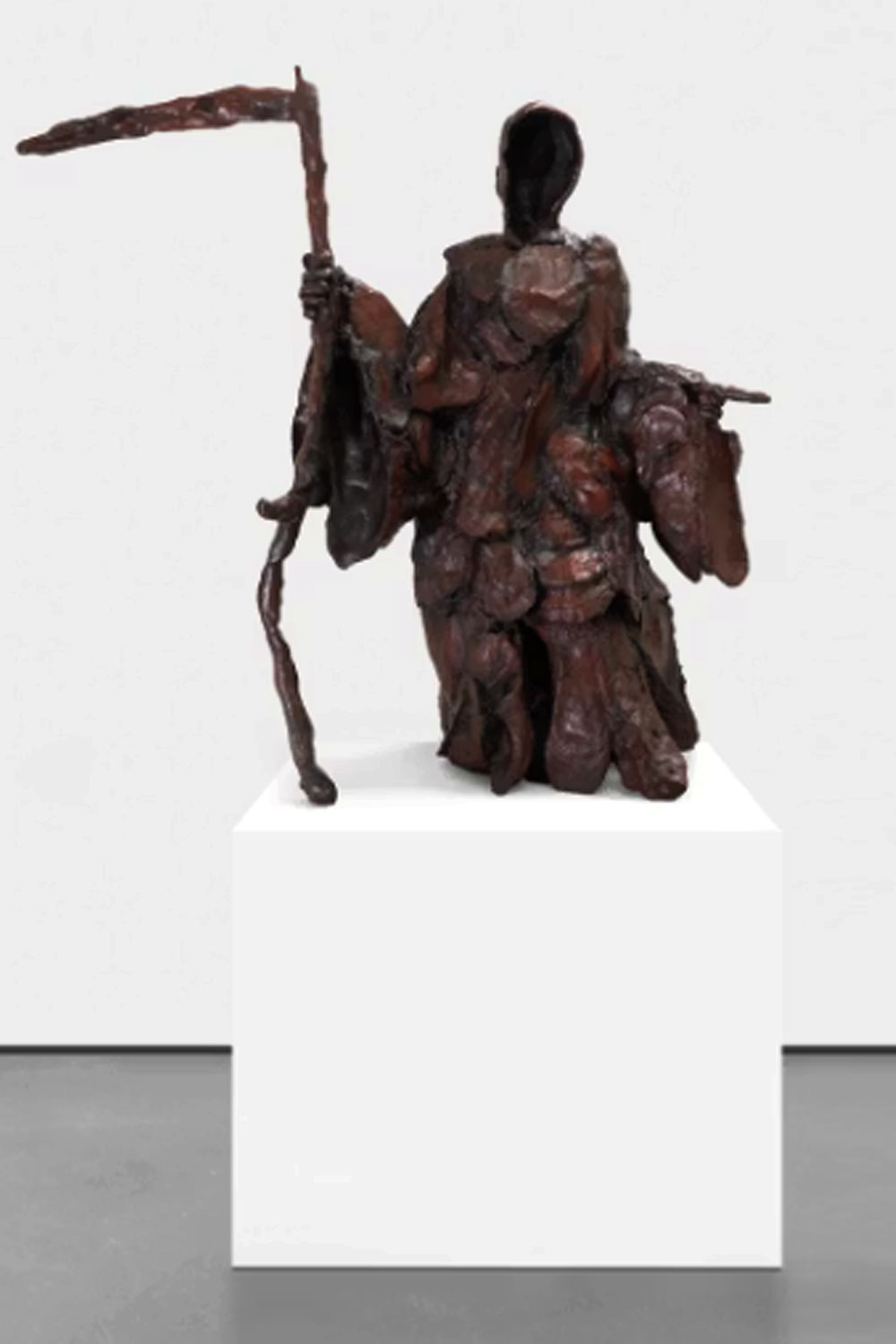
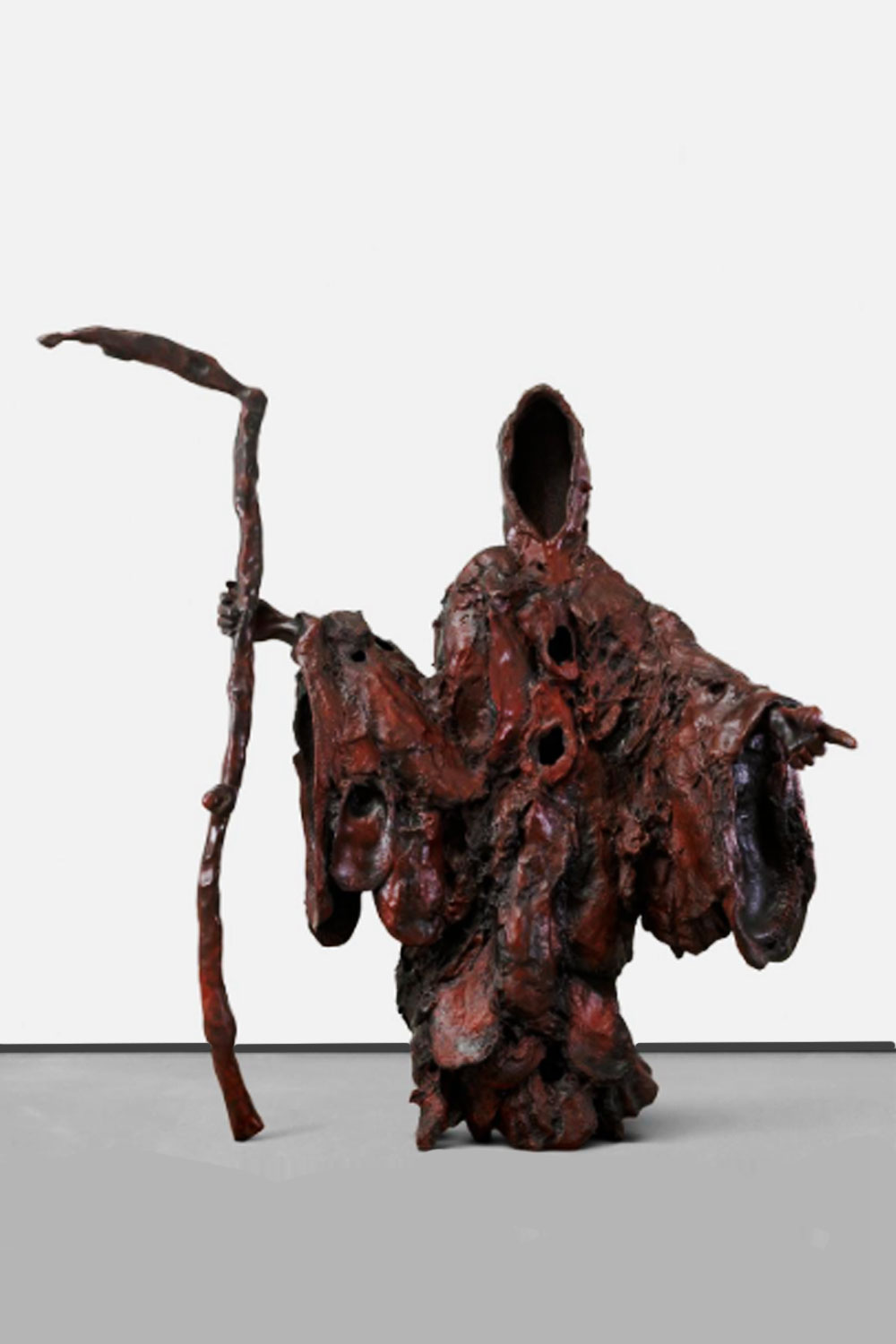
Josh Smith, Little Friend,
2023, Material: Patinated bronze, Description: Depicts the figure of the Grim Reaper, cast in a highly textured, red
finish, Dimensions: It measures 49 x 51 x 22 1/2 inches (124.5 x 129.5 x 57.1 cm).
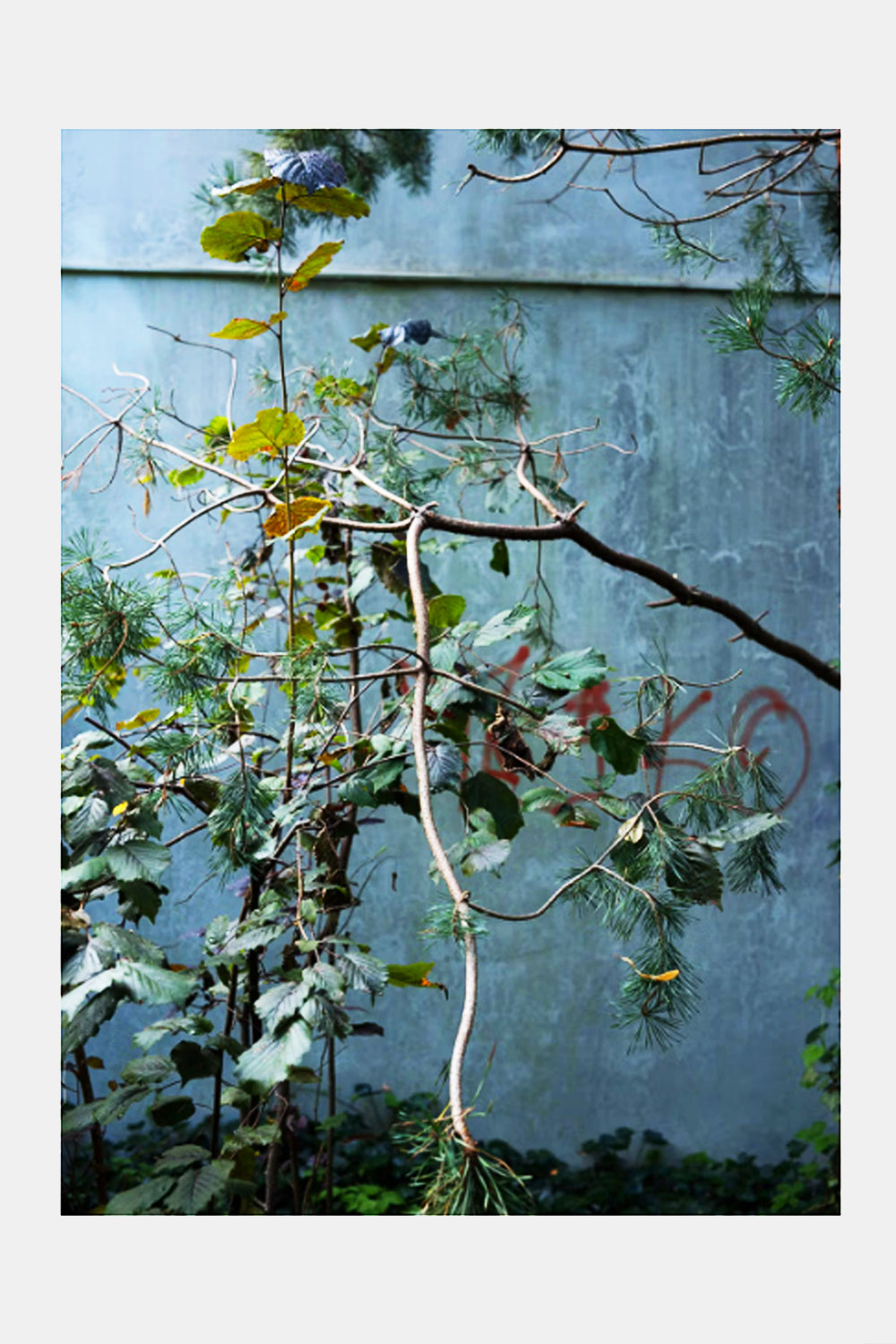
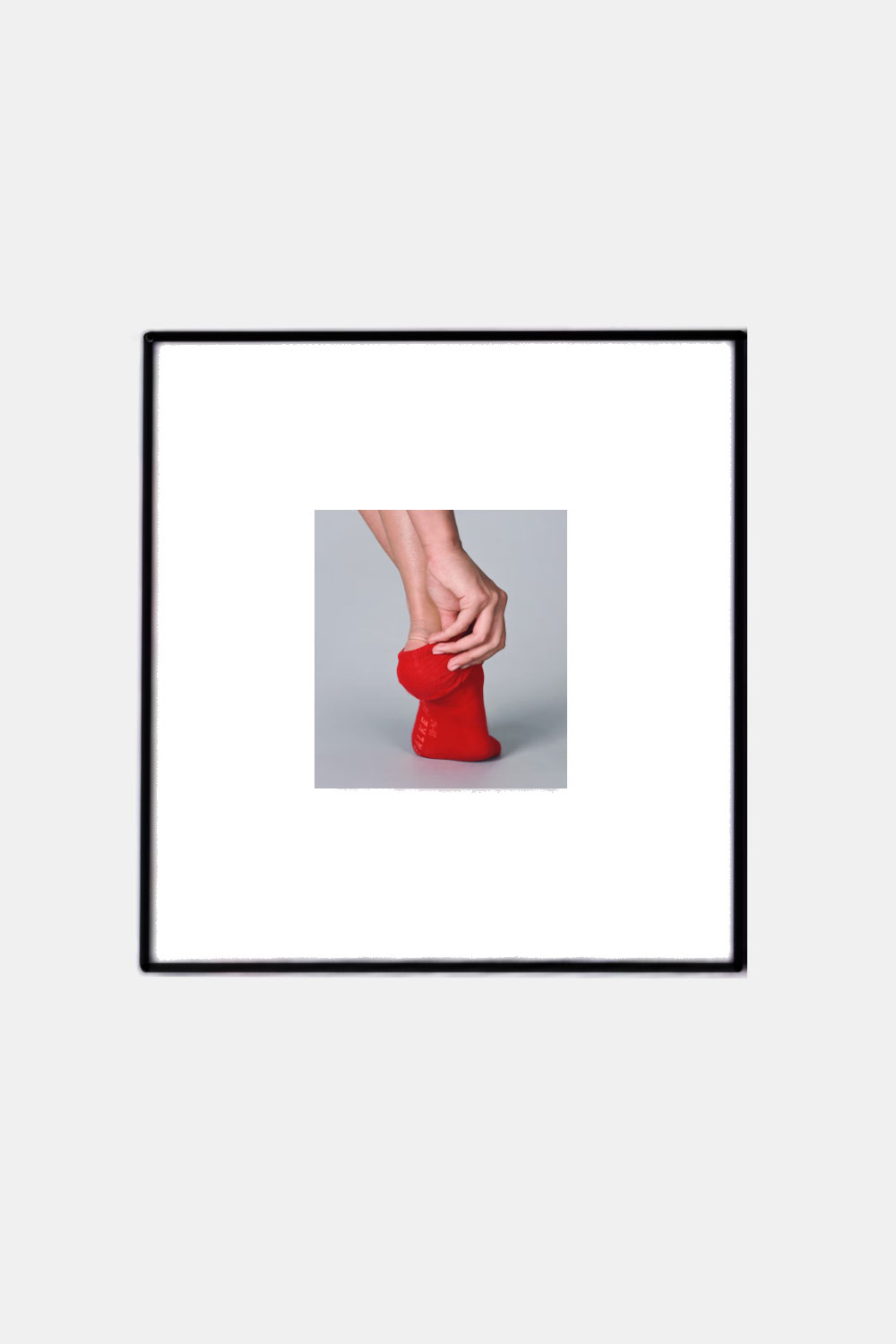
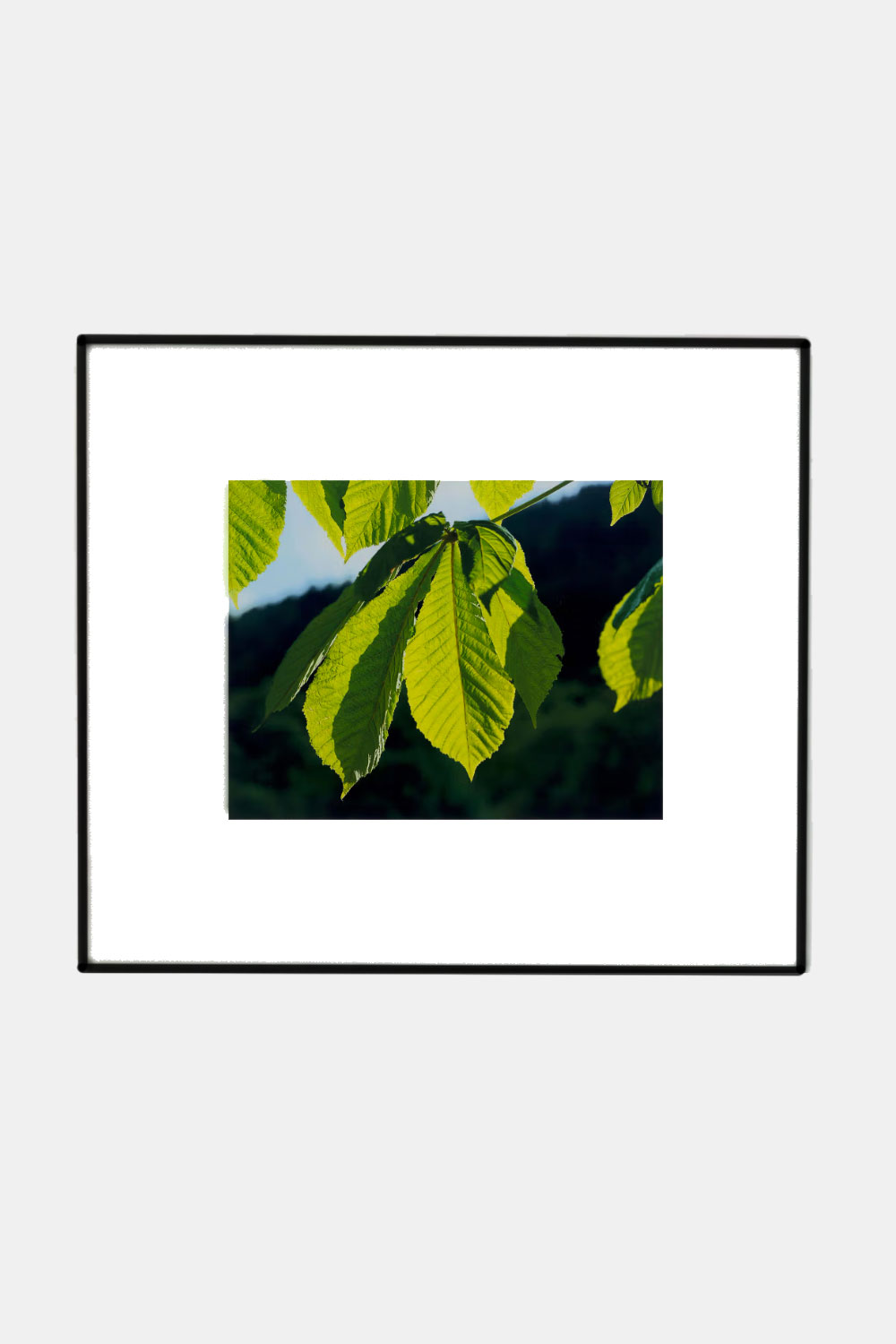
Photos, 2009, by the
conceptual artist Christopher Williams
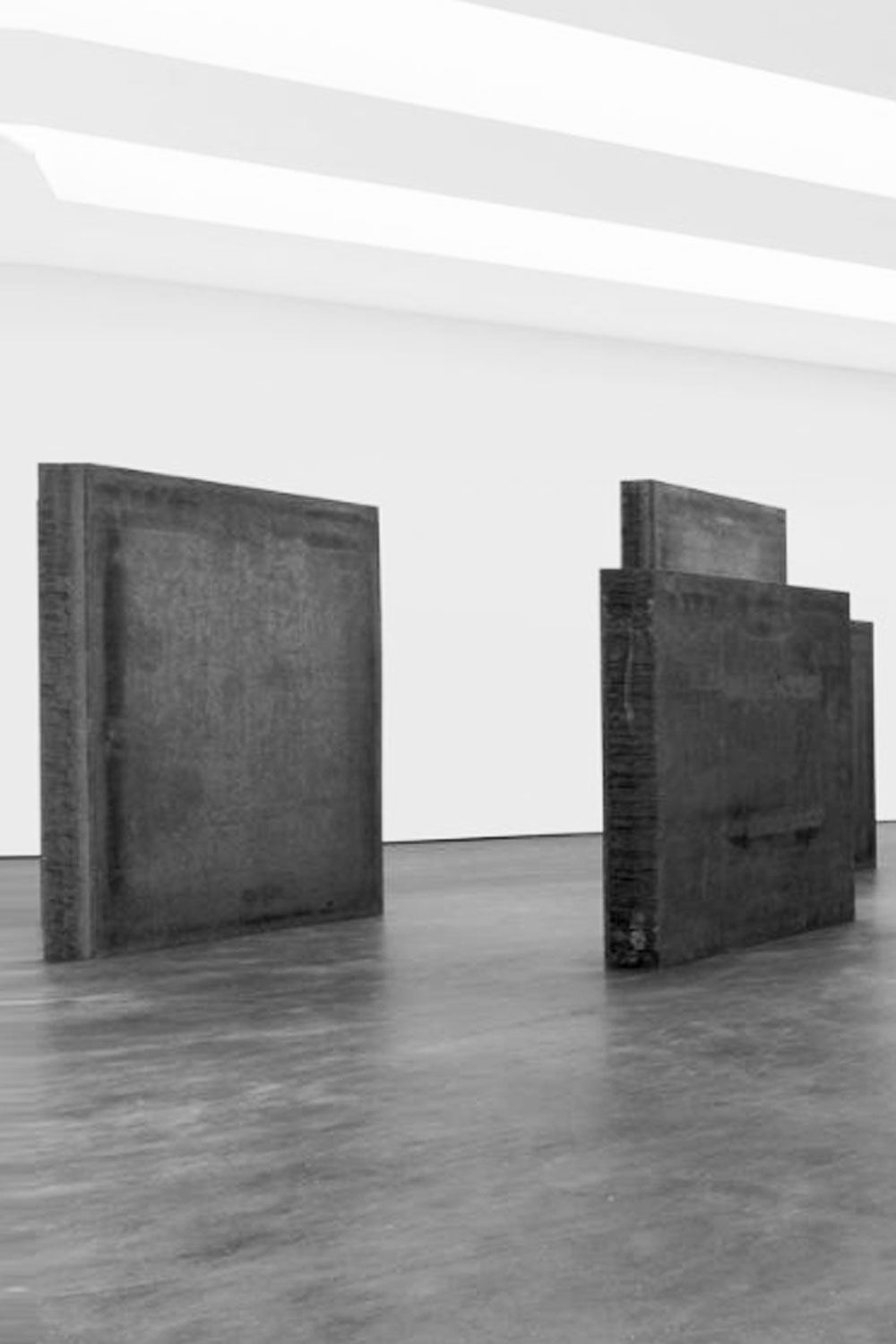
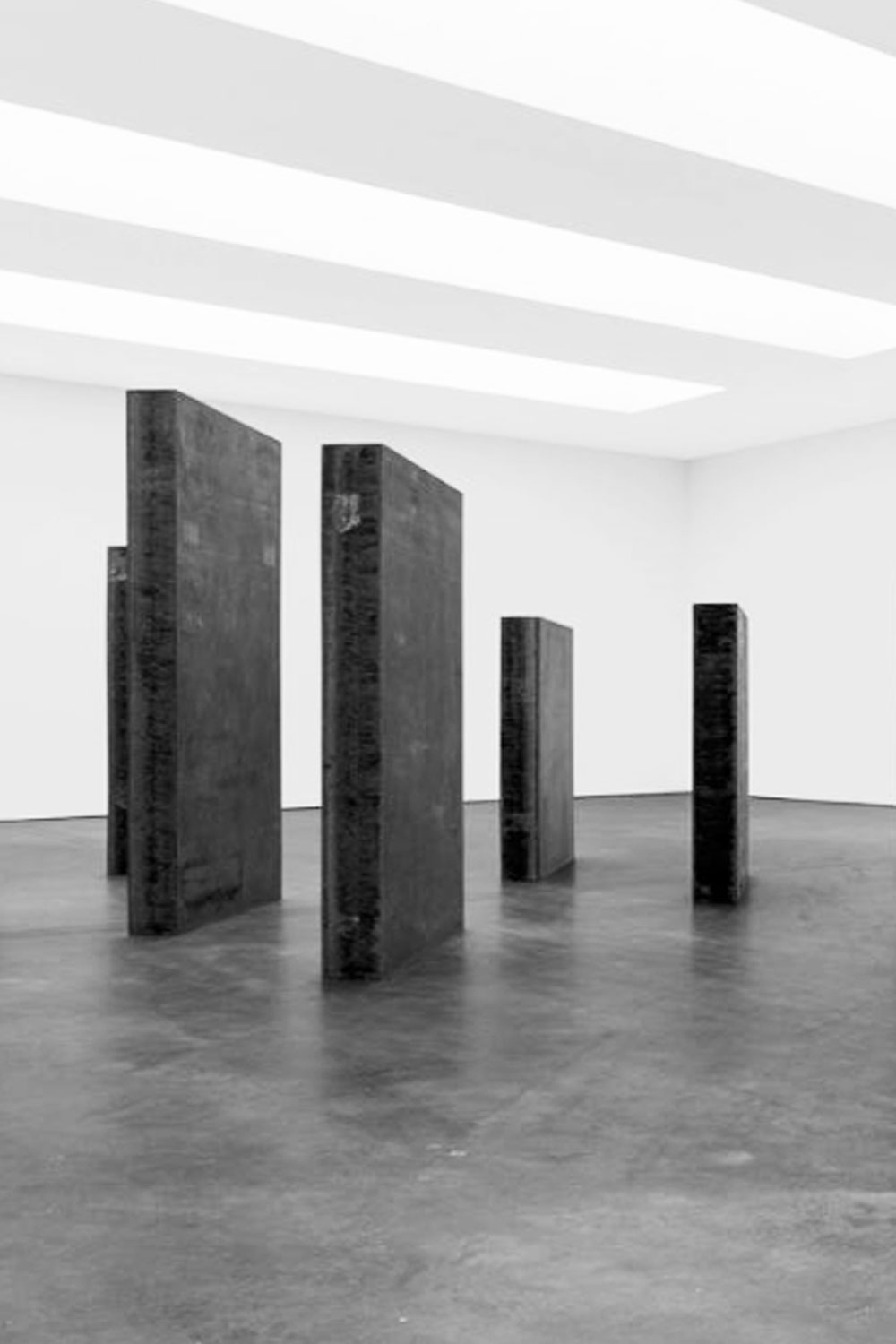
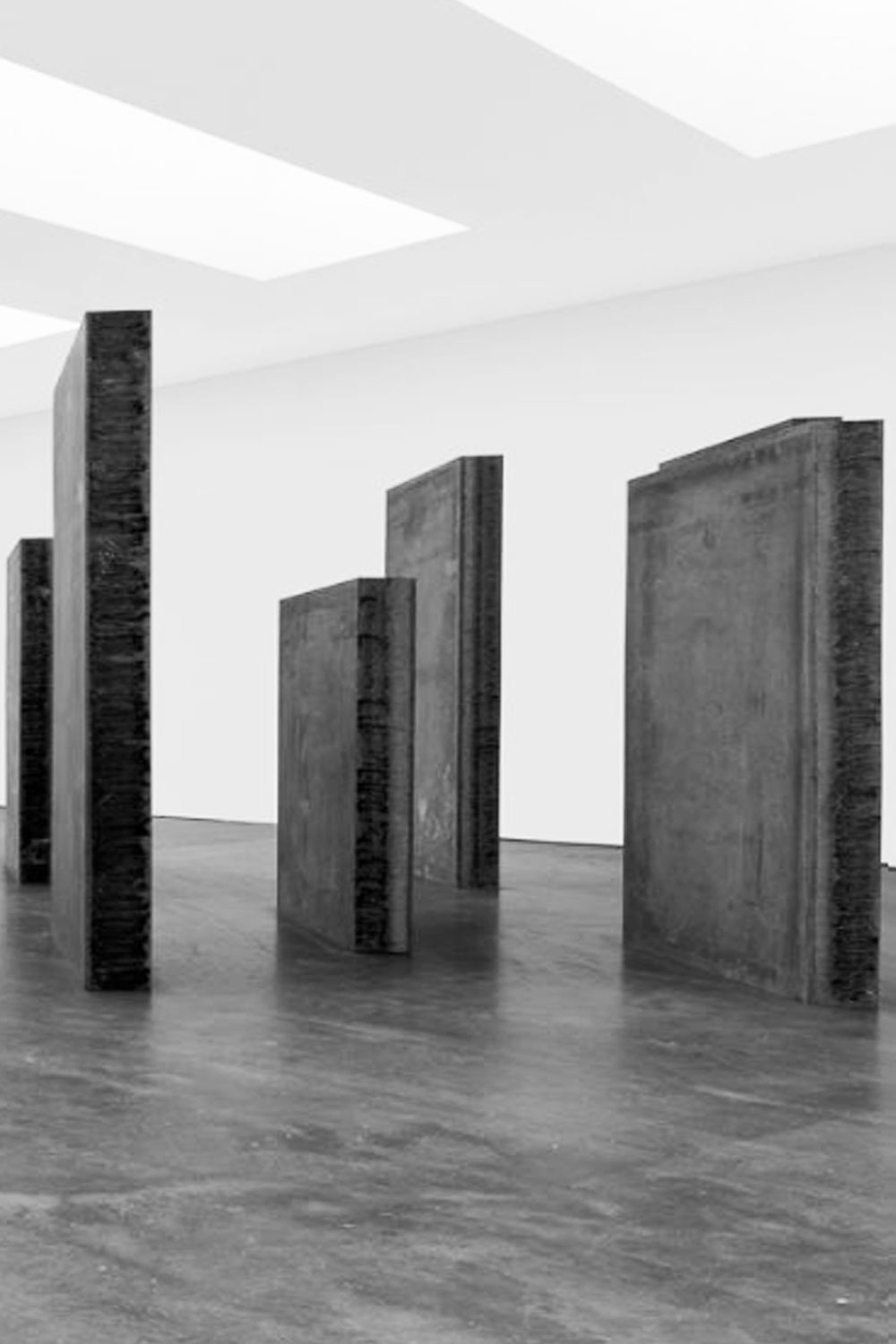
Every Which Way, Richard
Serra, 2024, Weathering steel, Sixteen vertical steel slabs
Five slabs, each: 11’
x 6’ x 11¾” (3.4 m x 1.8 m x 29.9 cm), Six slabs, each: 9’ x 6’ x 11¾” (2.7
m x 1.8 m x 29.9 cm),
Five slabs, each: 7’ x
6’ x 11¾” (2.1 m x 1.8 m x 29.9 cm), Overall: 11’ x 52’ 6” x 21’ (3.4 x
16.3 x 6.4 m)
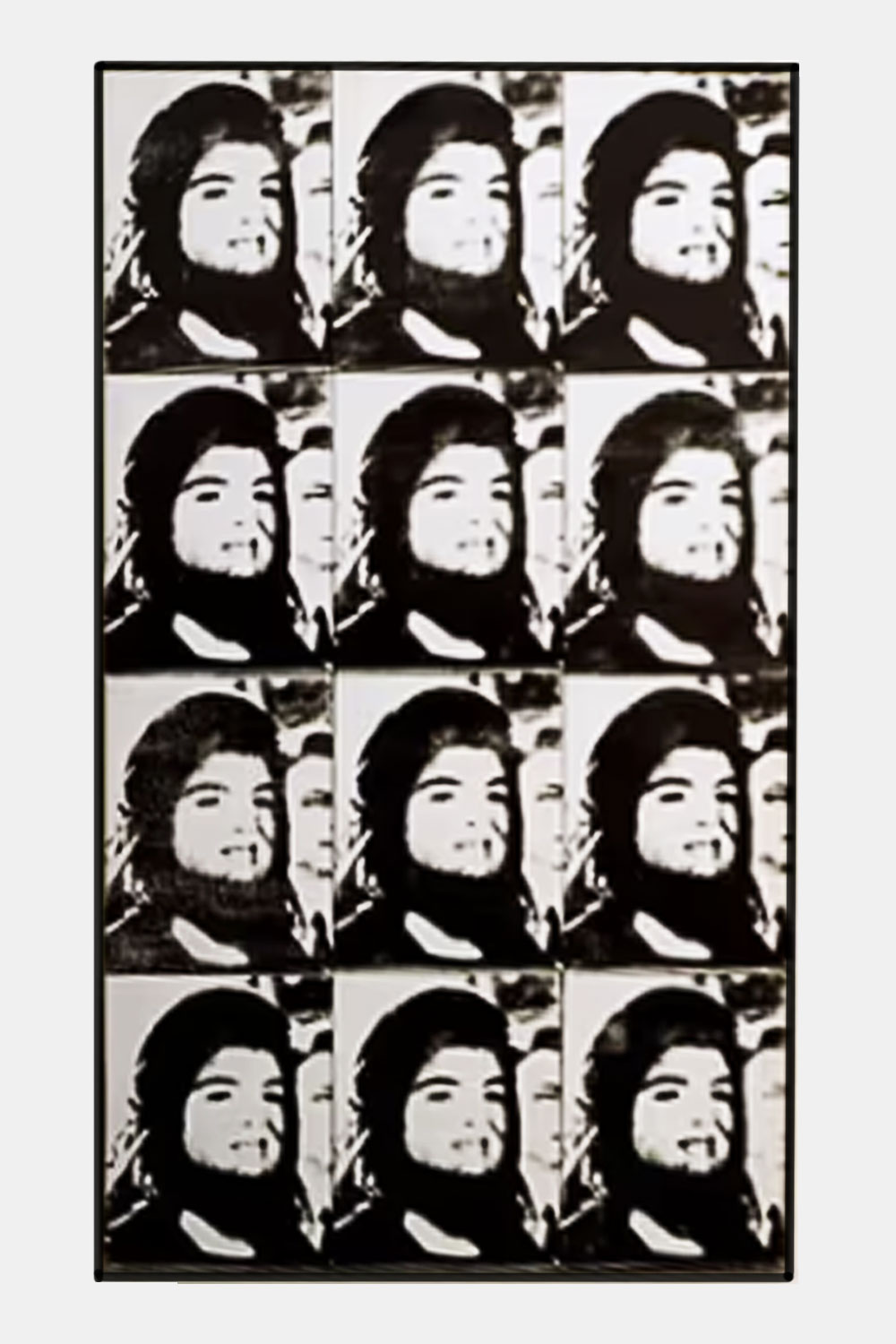
"Twelve Grieving Jackies",
1964, Andy Warhol, silkscreen ink on primed linen
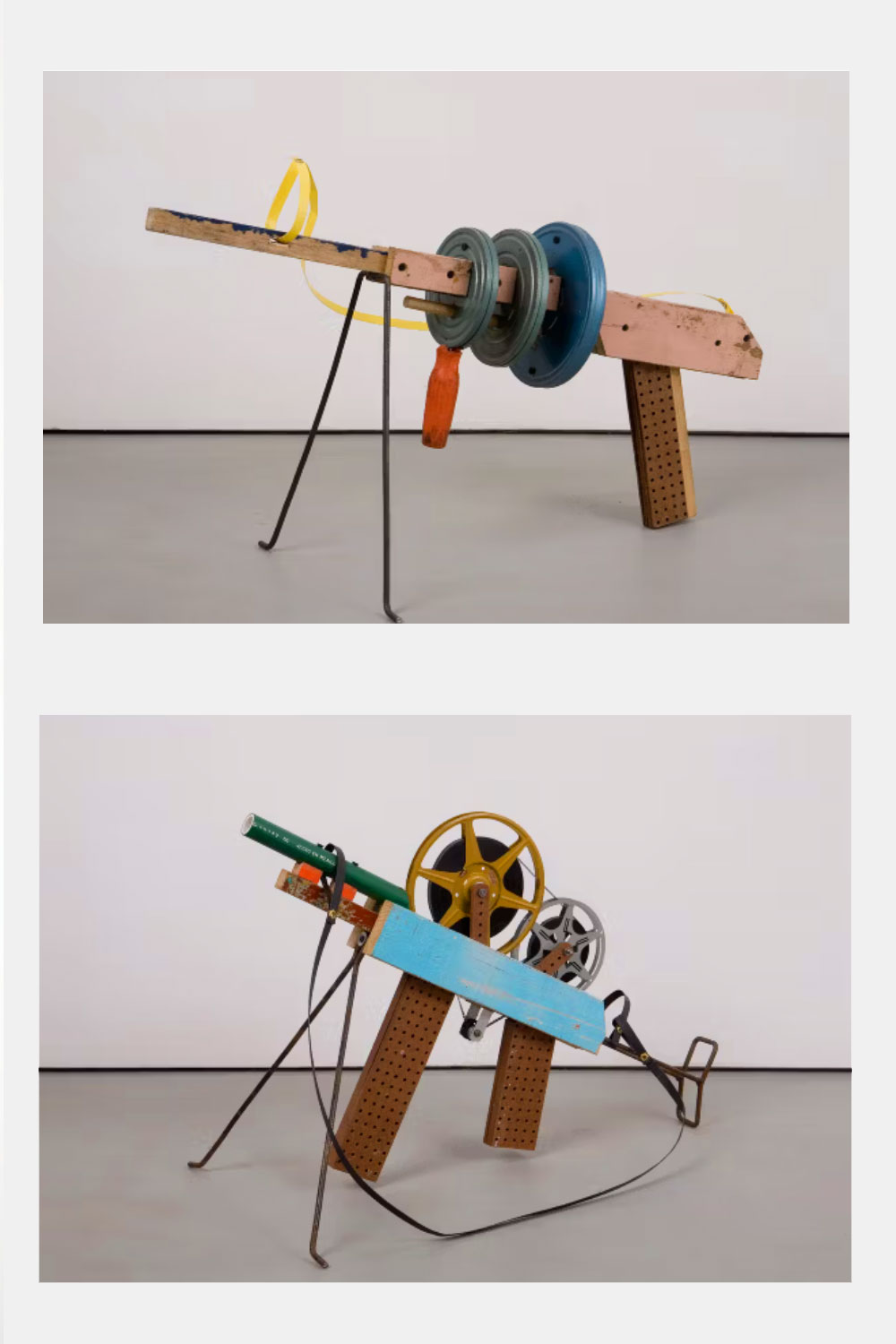
Francis Alÿs, Camguns,
2008, painted wood, metal, plastic, film reels, film and pencil on tracing paper
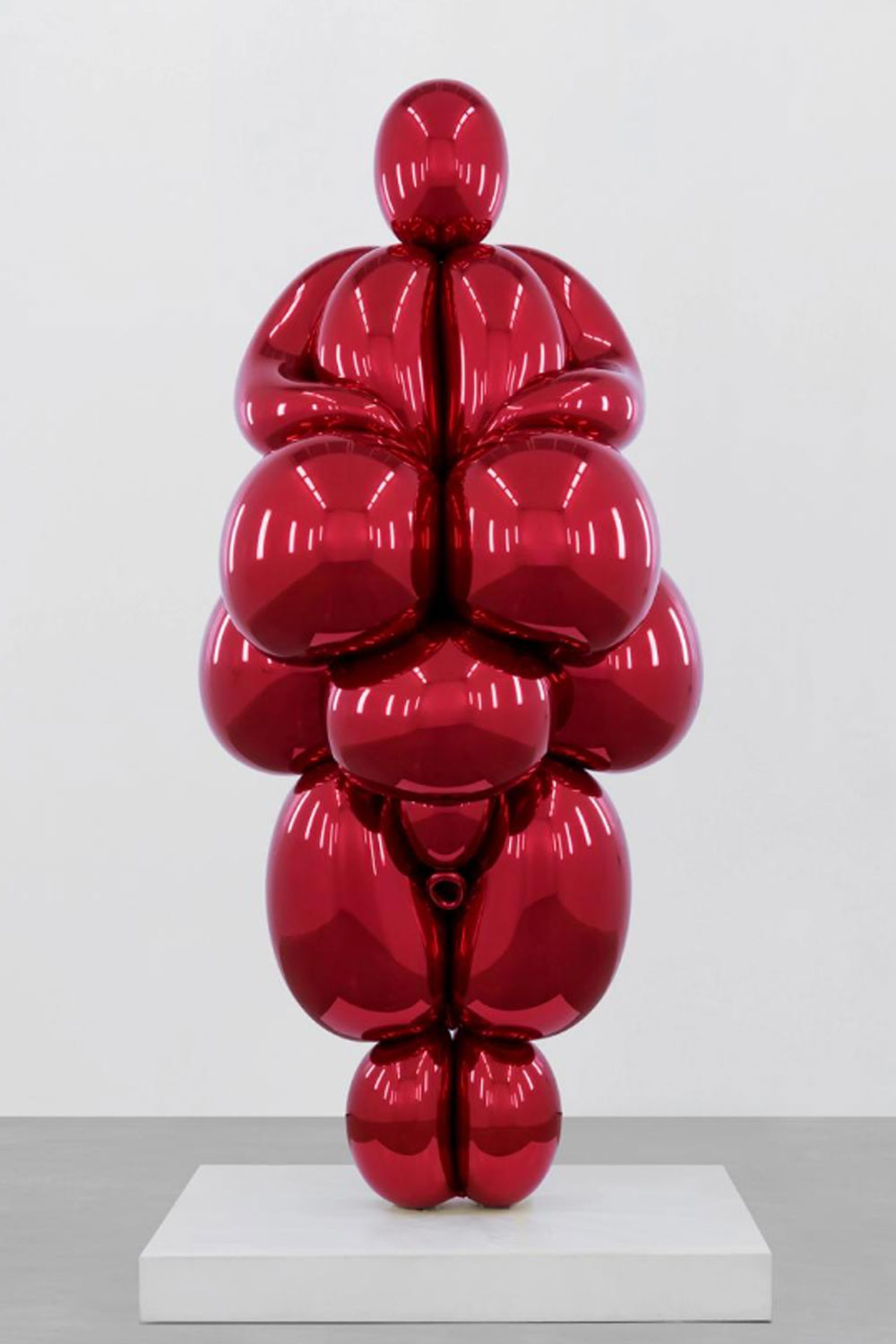
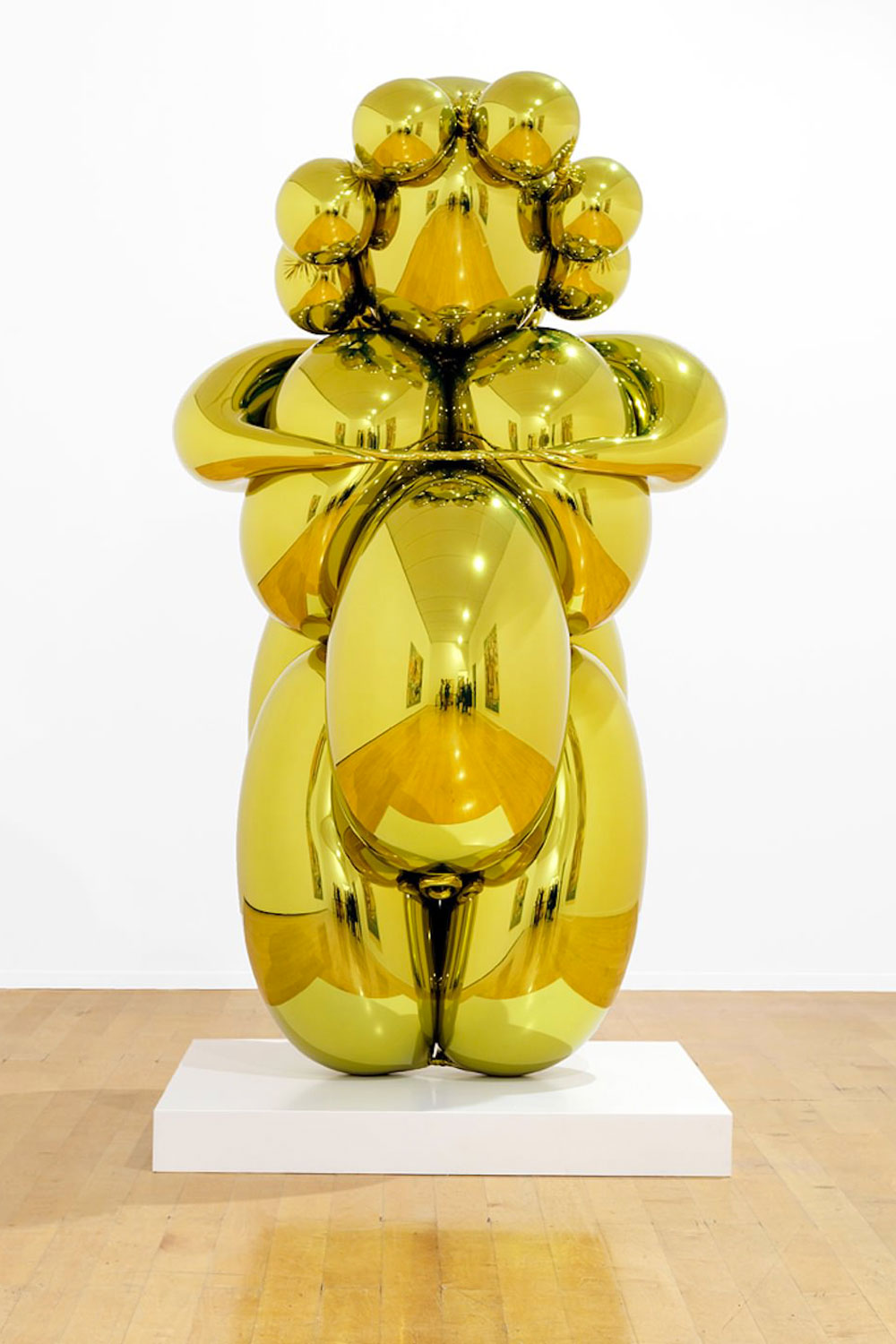
Jeff Koons, Balloon Venus
(Yellow), 06/20/12, mirror-polished stainless steel with transparent color coating, 102 x 48 x 50 in. (259.1 x
121.92 x 127 cm)
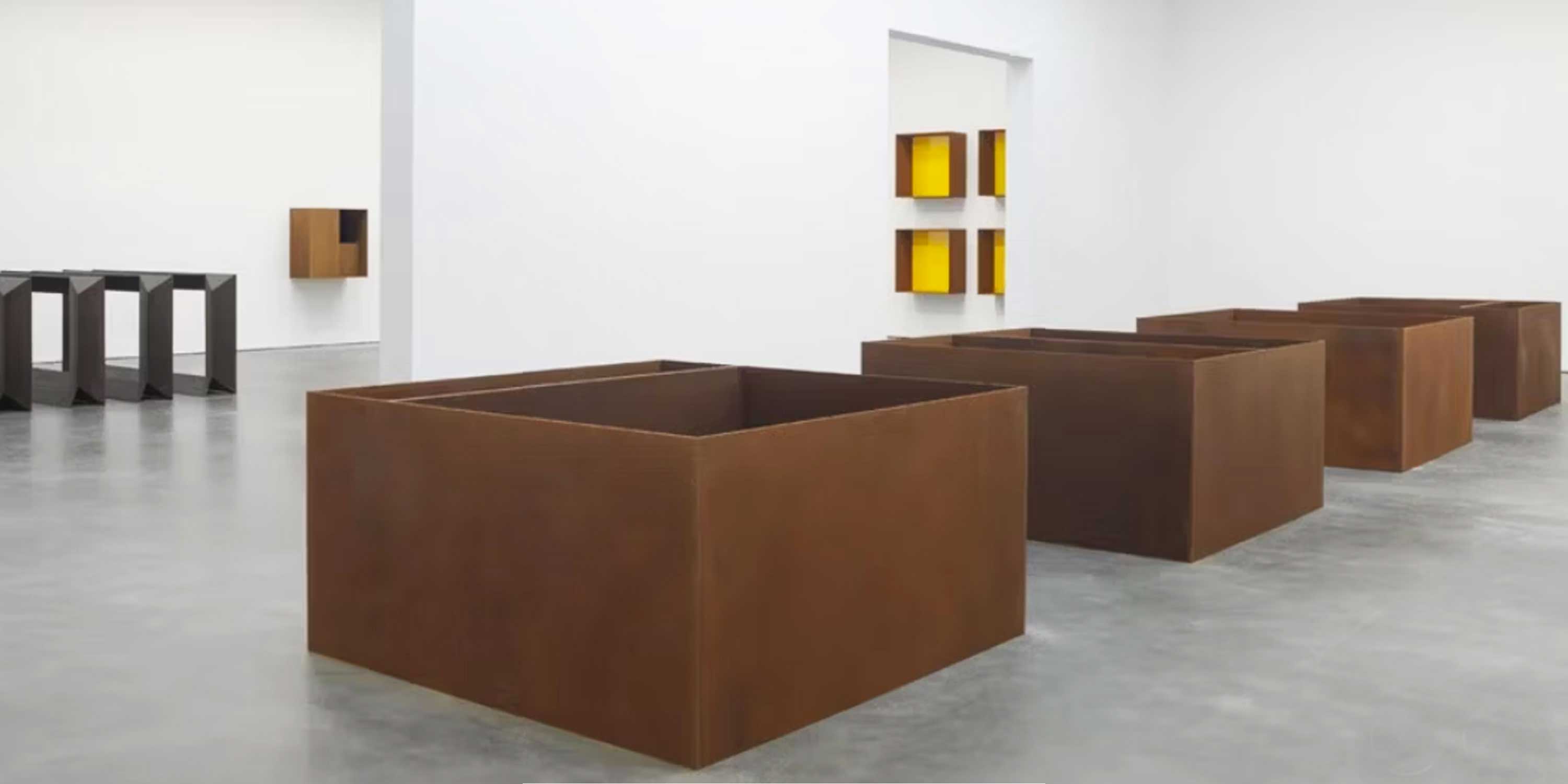
Donald Judd, Cor-ten steel, Boxes, 2015
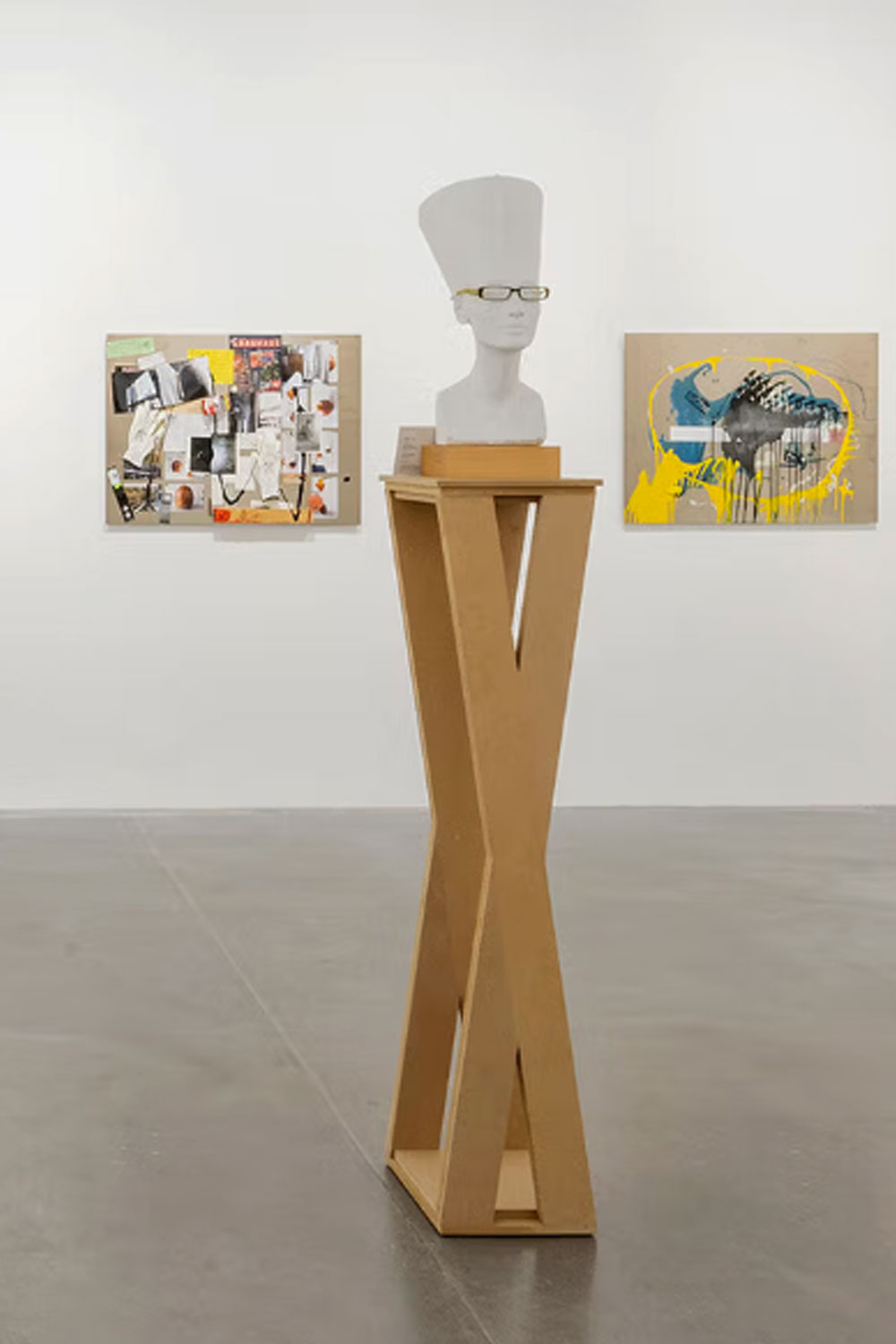
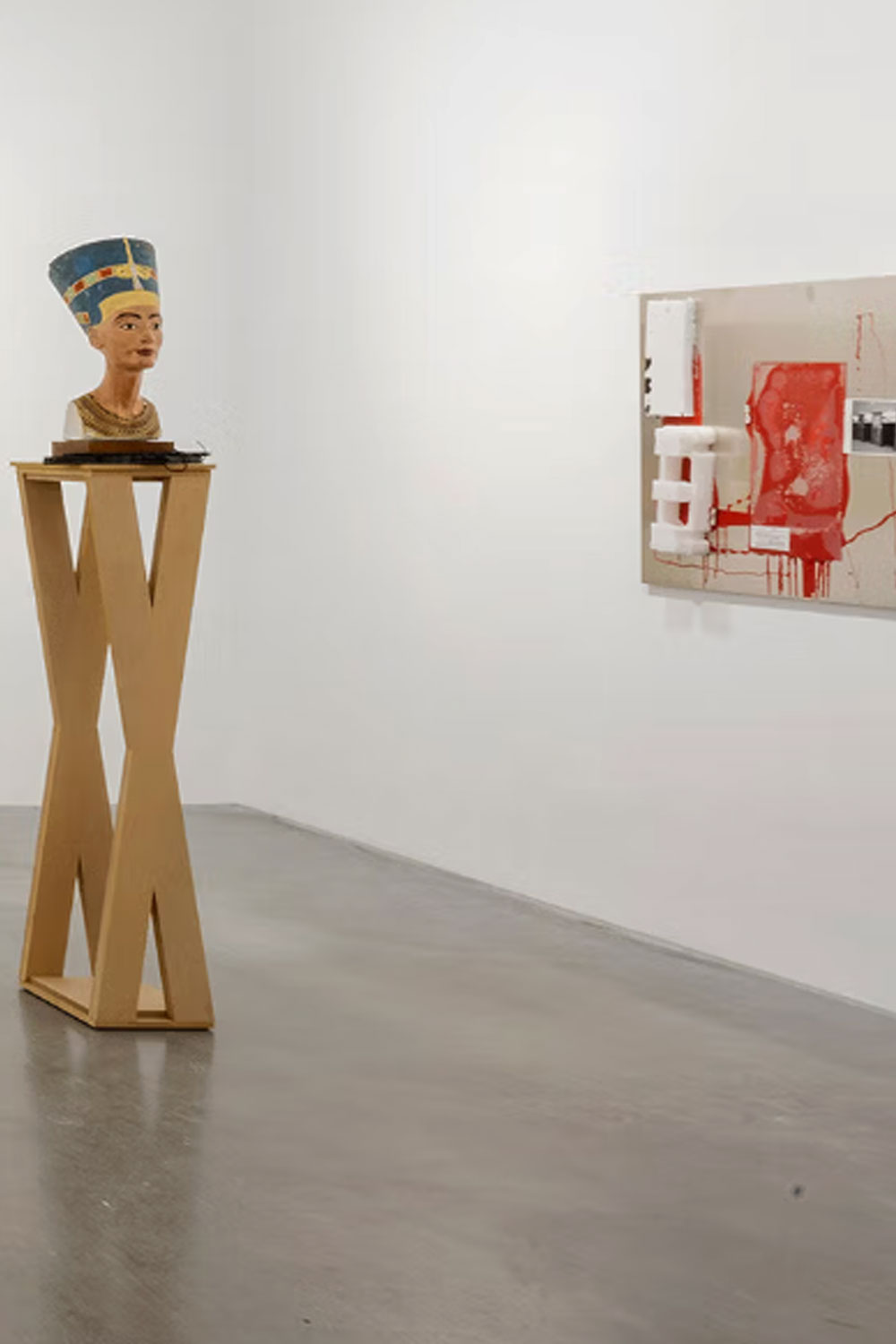
Isa Genzken, Nefertiti,
2018,
Plaster bust on wooden base,
MDF plinth, postcard,
sticker, and felt pen, 74
3/4 x 12 5/8 x 14 5/8 inches
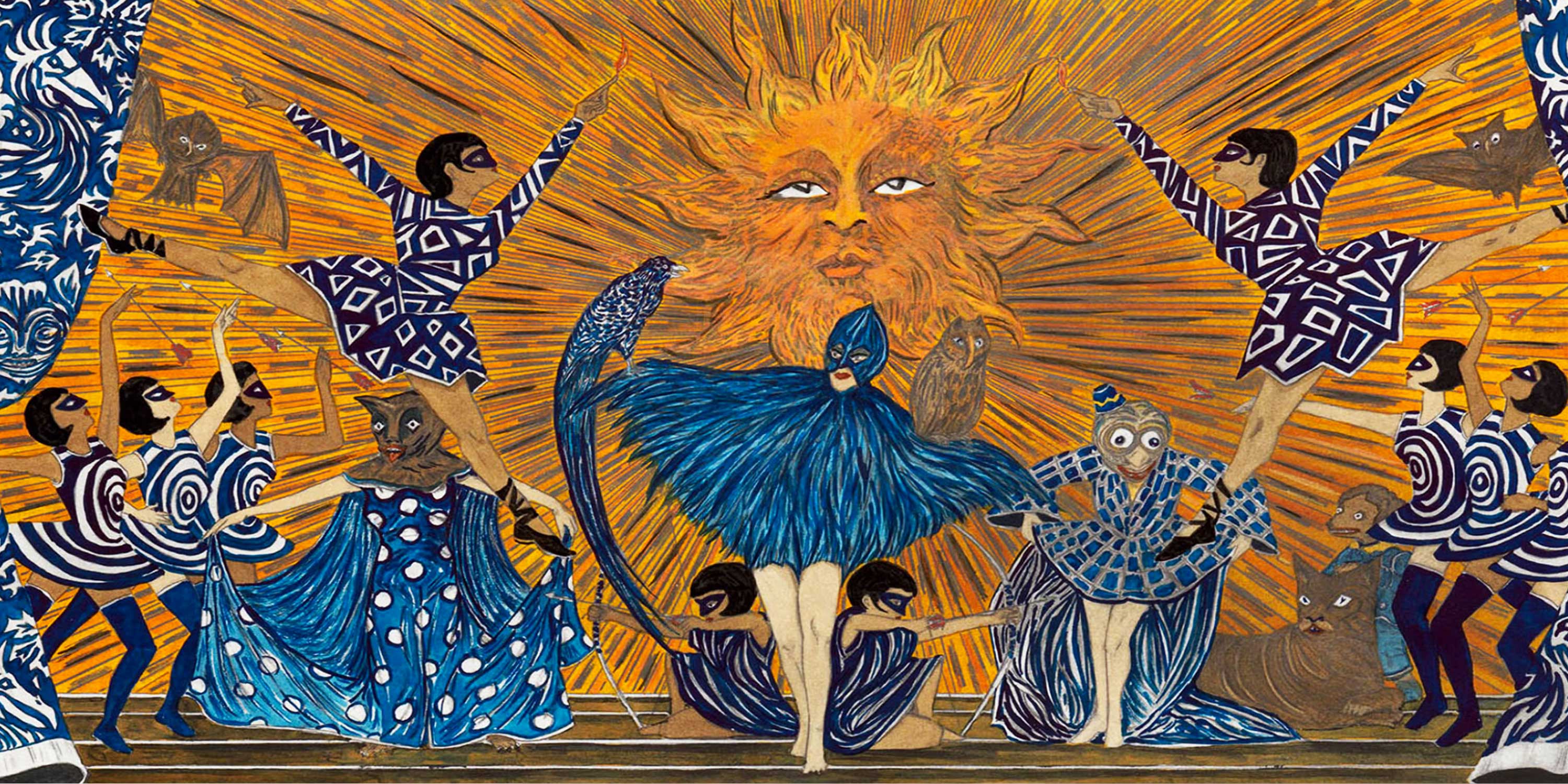
Marcel Dzama, Who loves the sun, 2020-2021, Ink, gouache, and graphite on paper, 19 1/4 x 50 inches (48.9 x 127 cm)
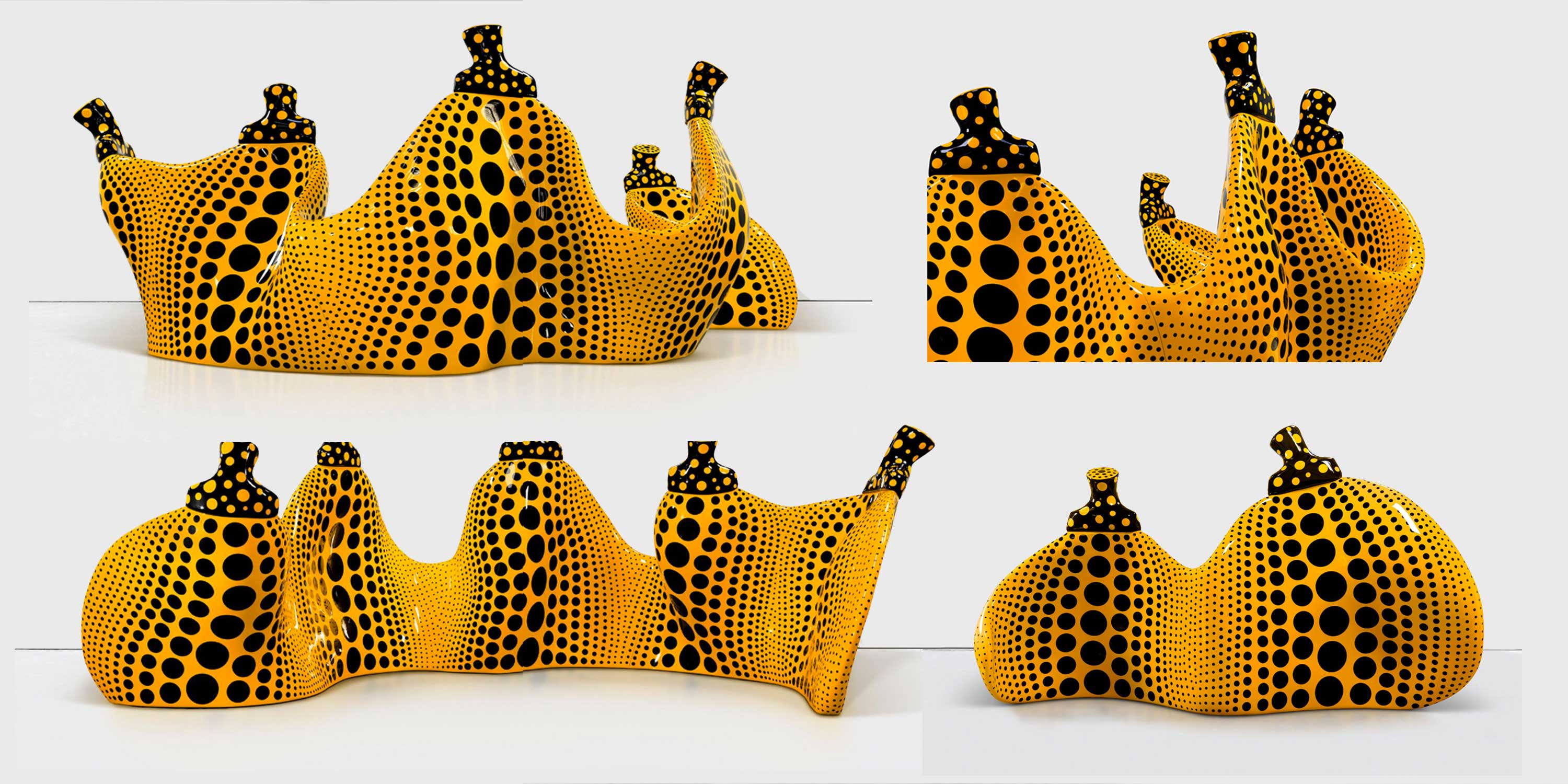
Yayoi Kusama, Aspiring to Pumpkin’s Love, the Love in My Heart, 2023, Bronze and urethane paint
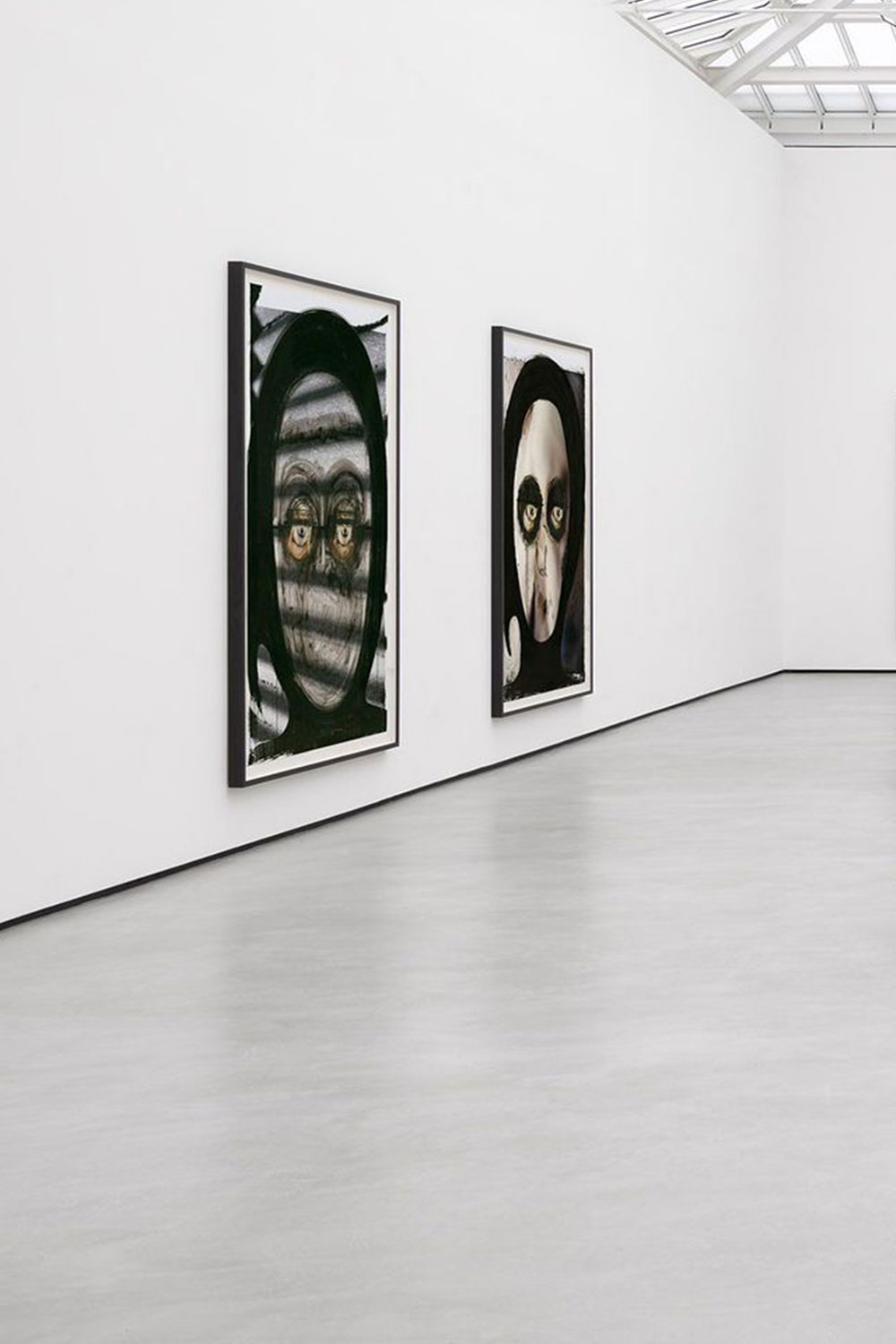
Huma Bhabha: Distant Star, David Zwirner, Paris, 2025
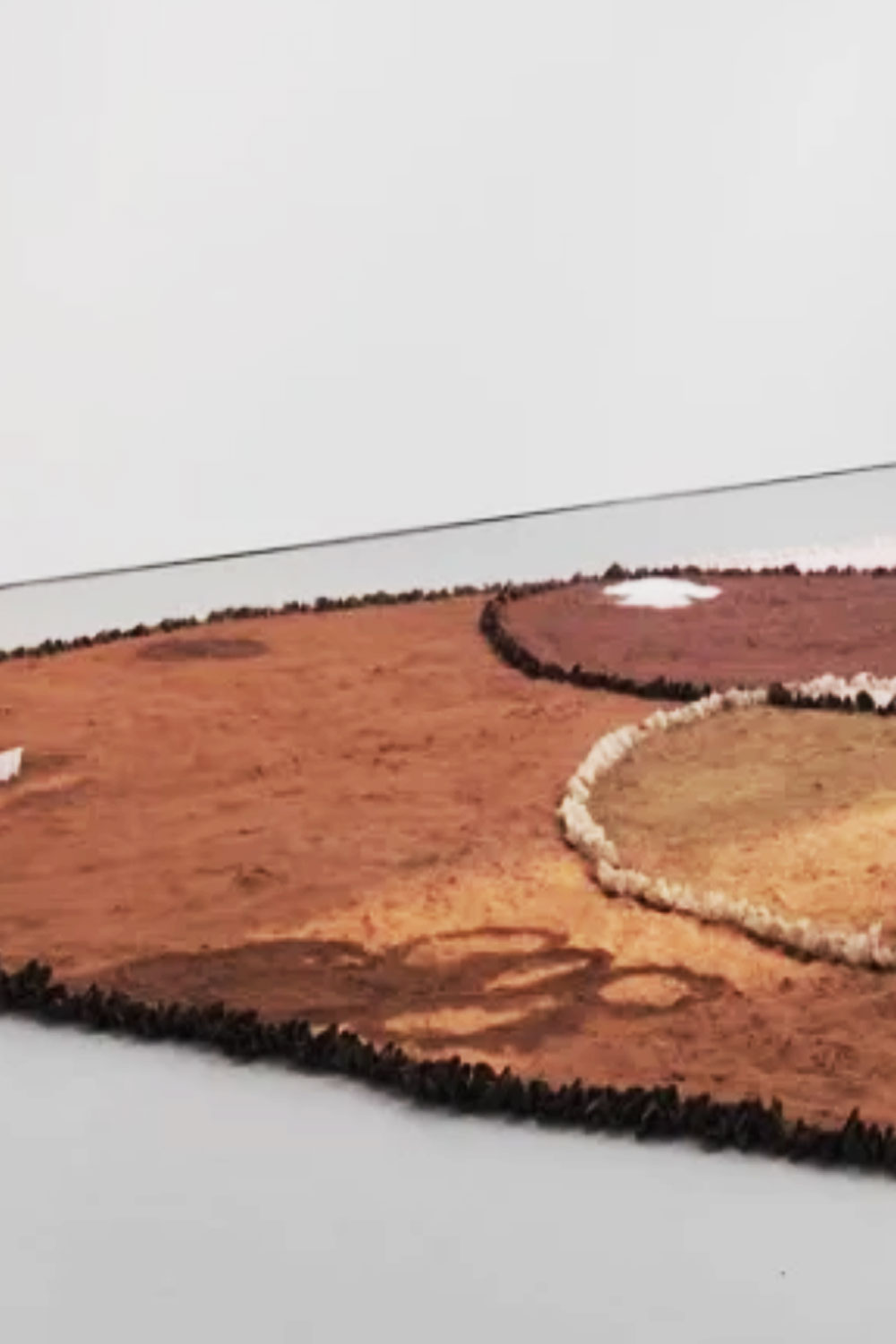
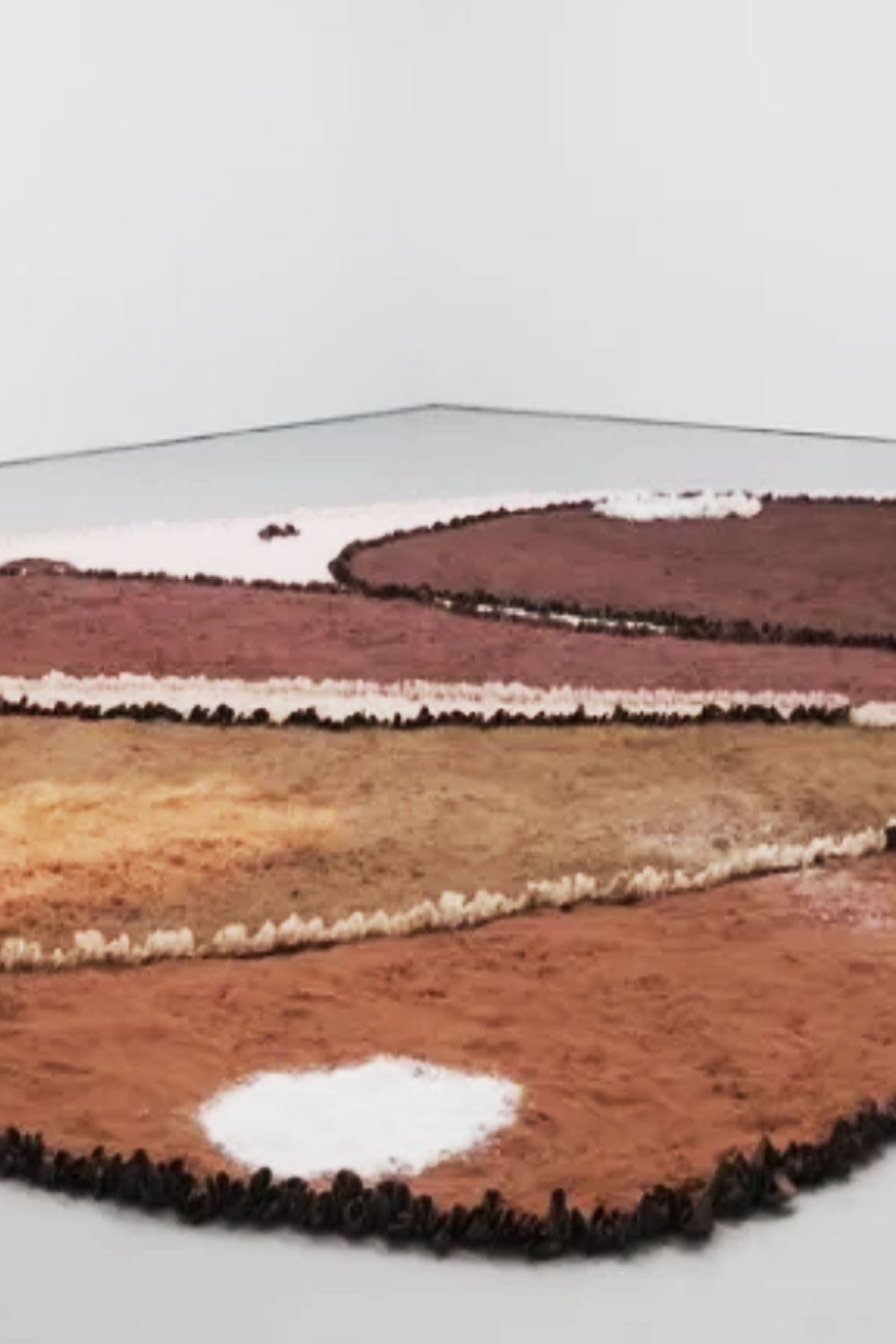
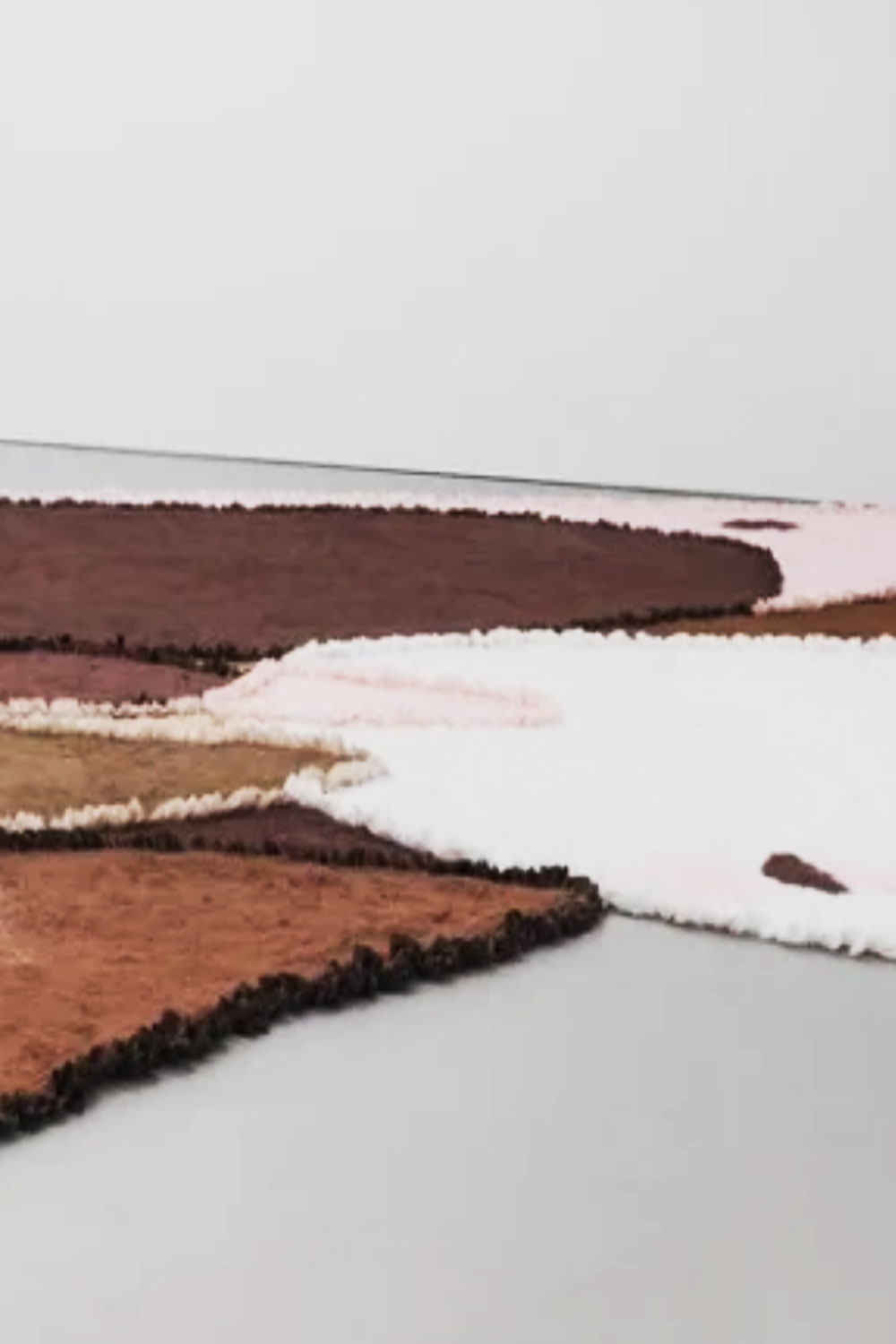
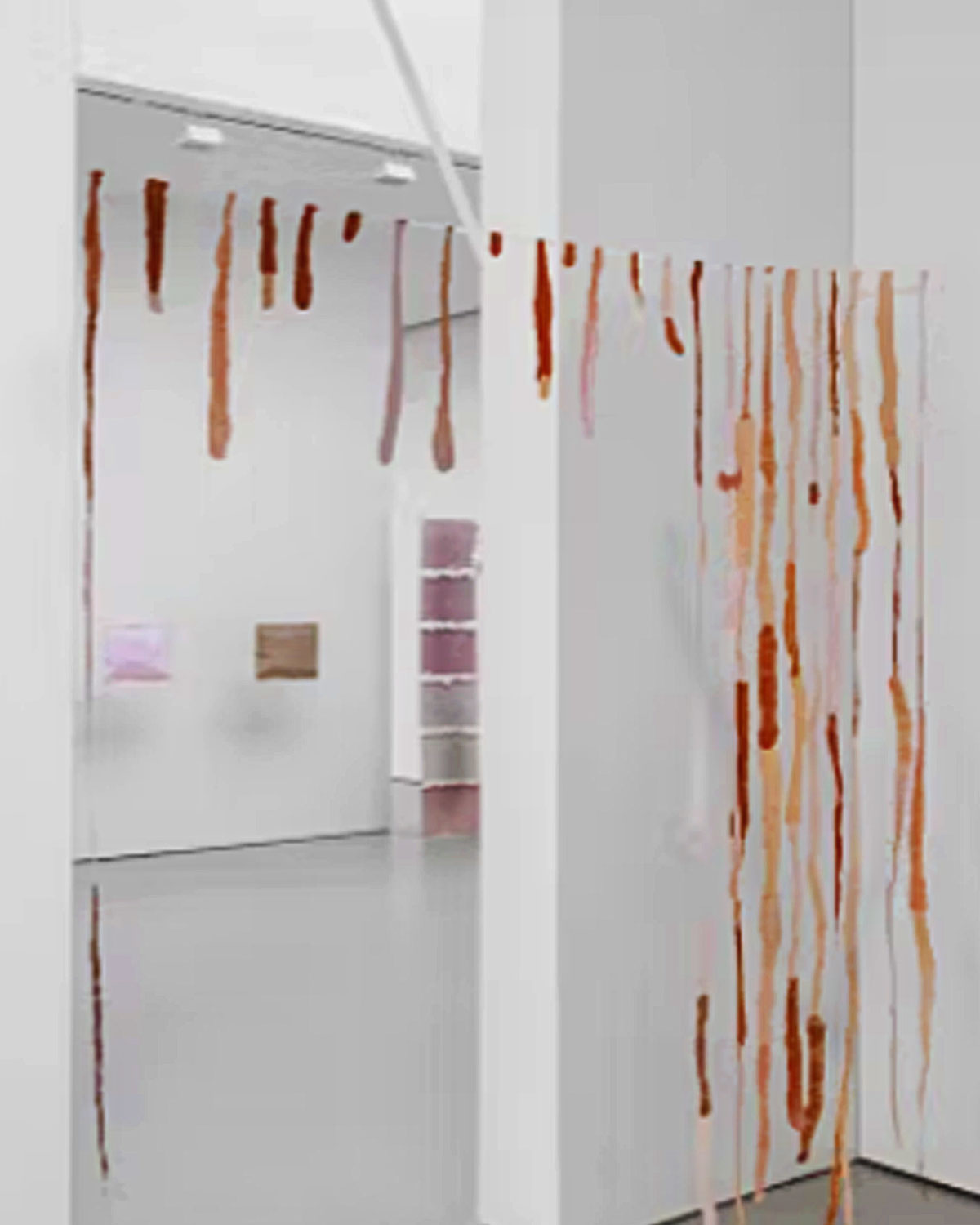
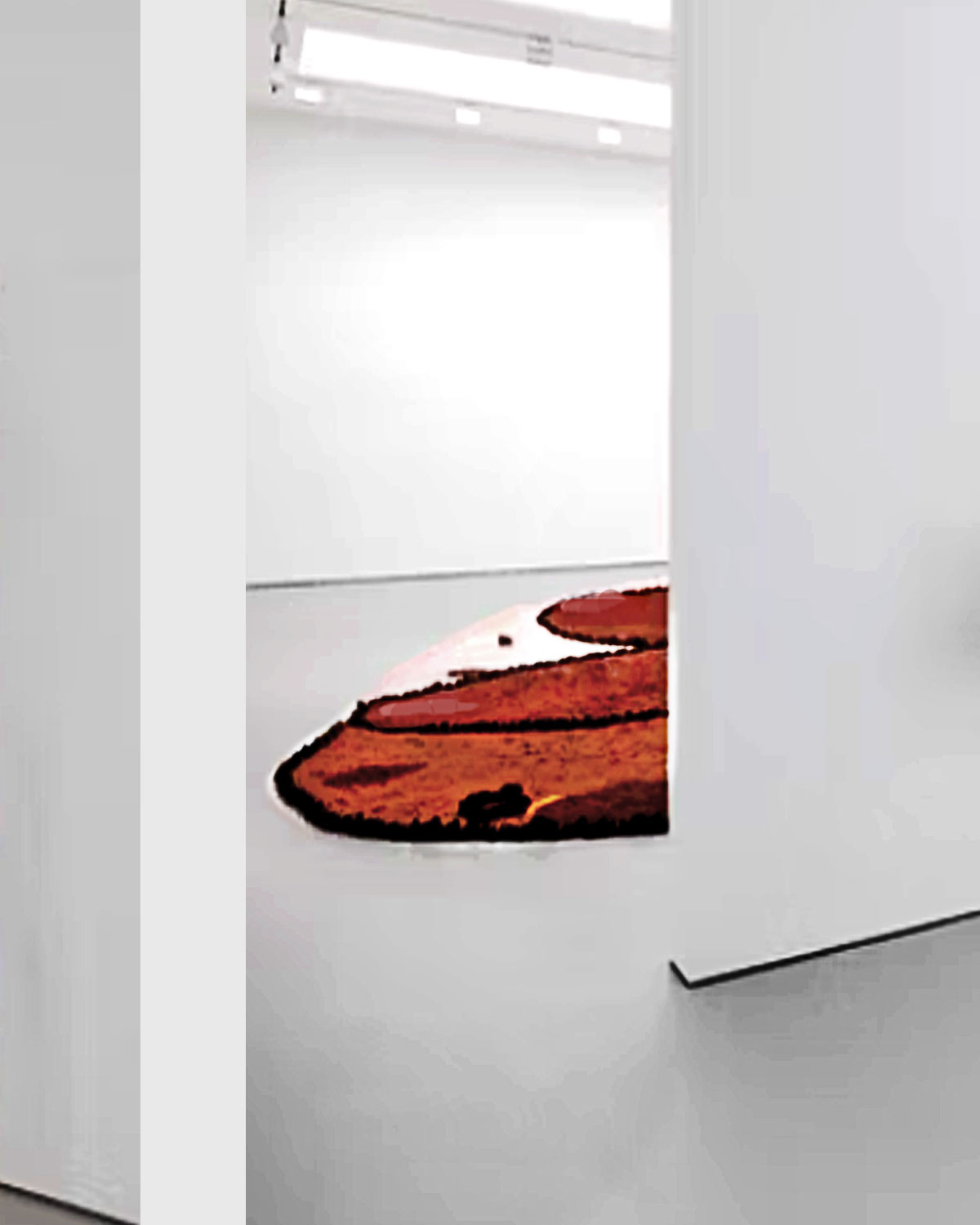
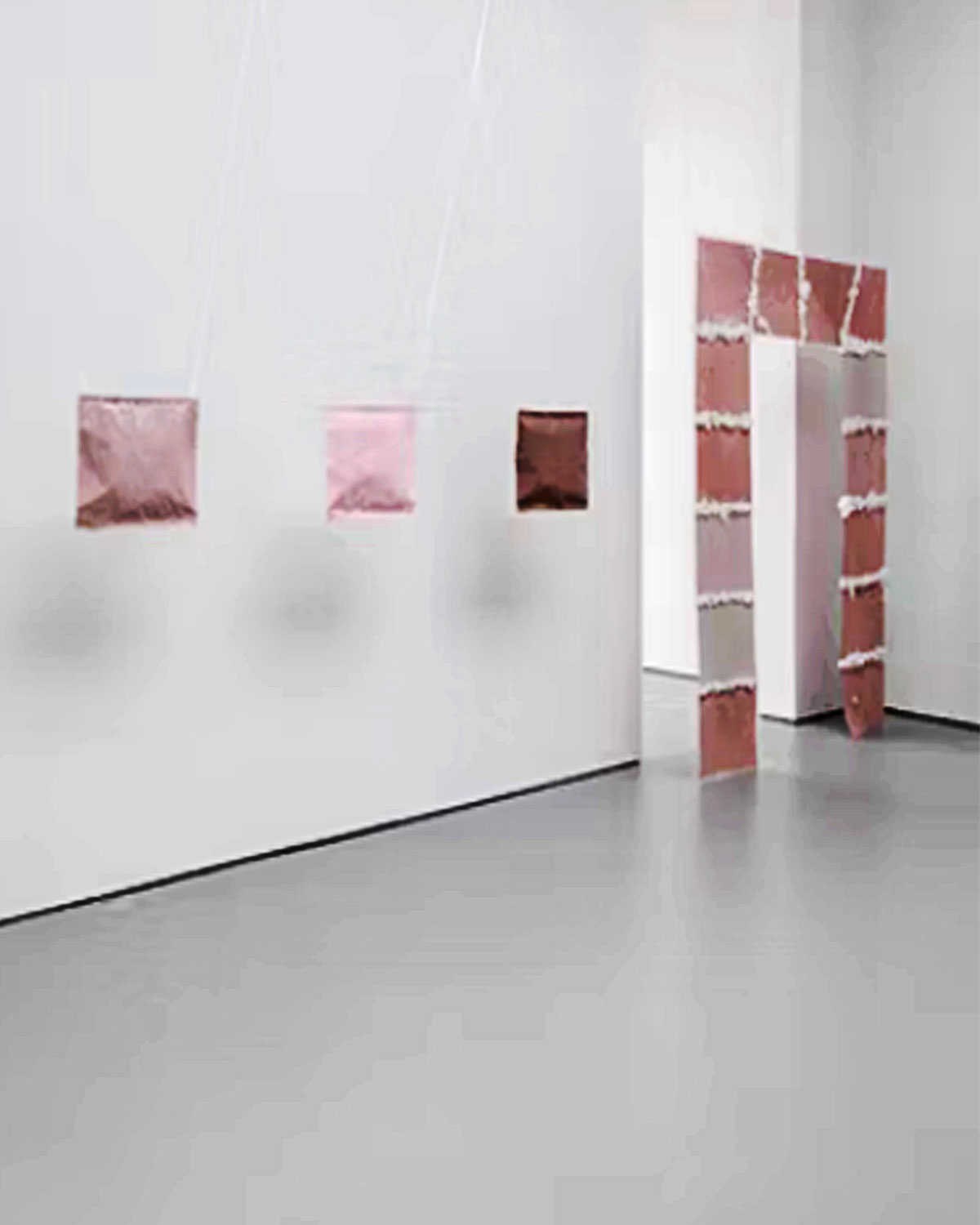
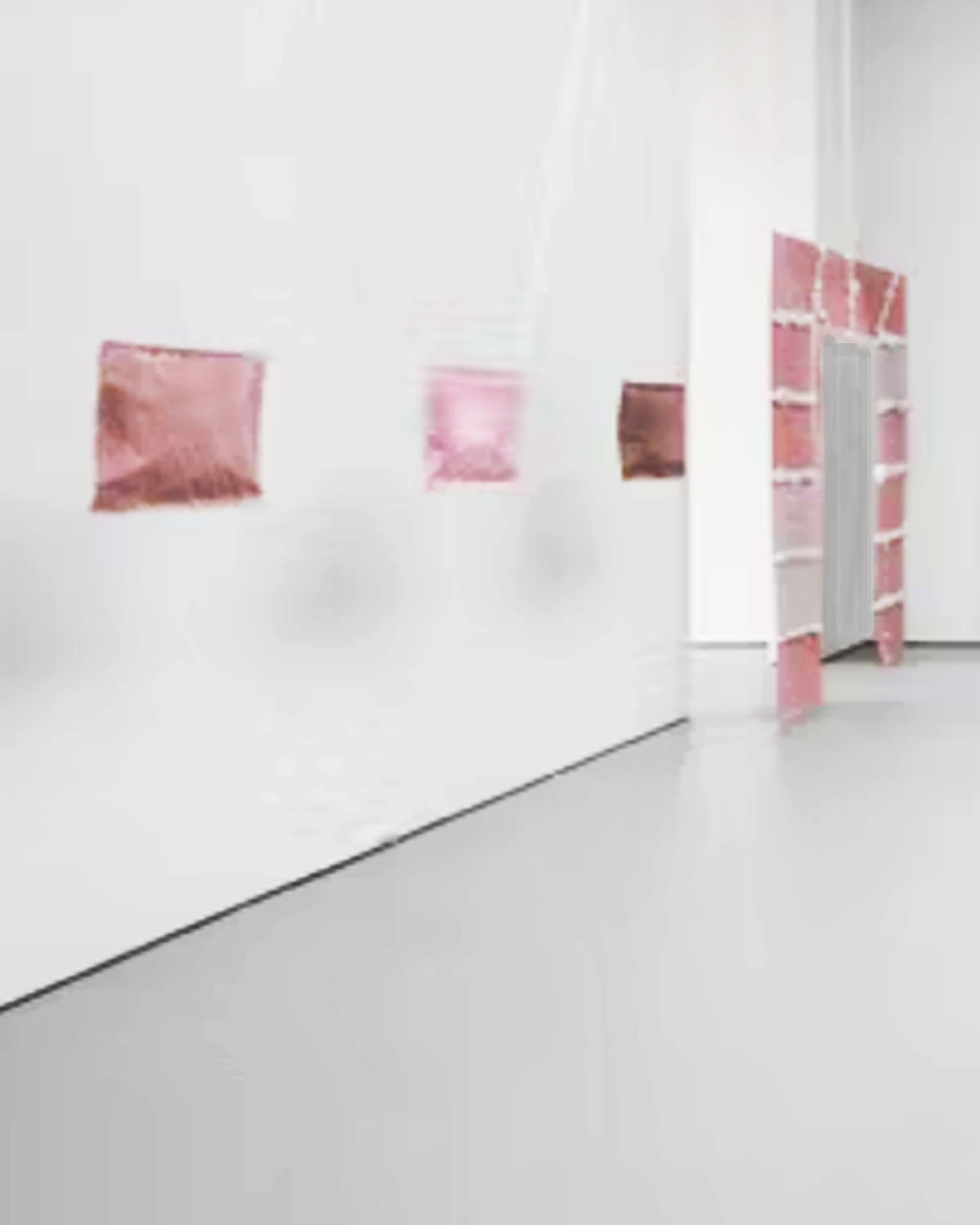
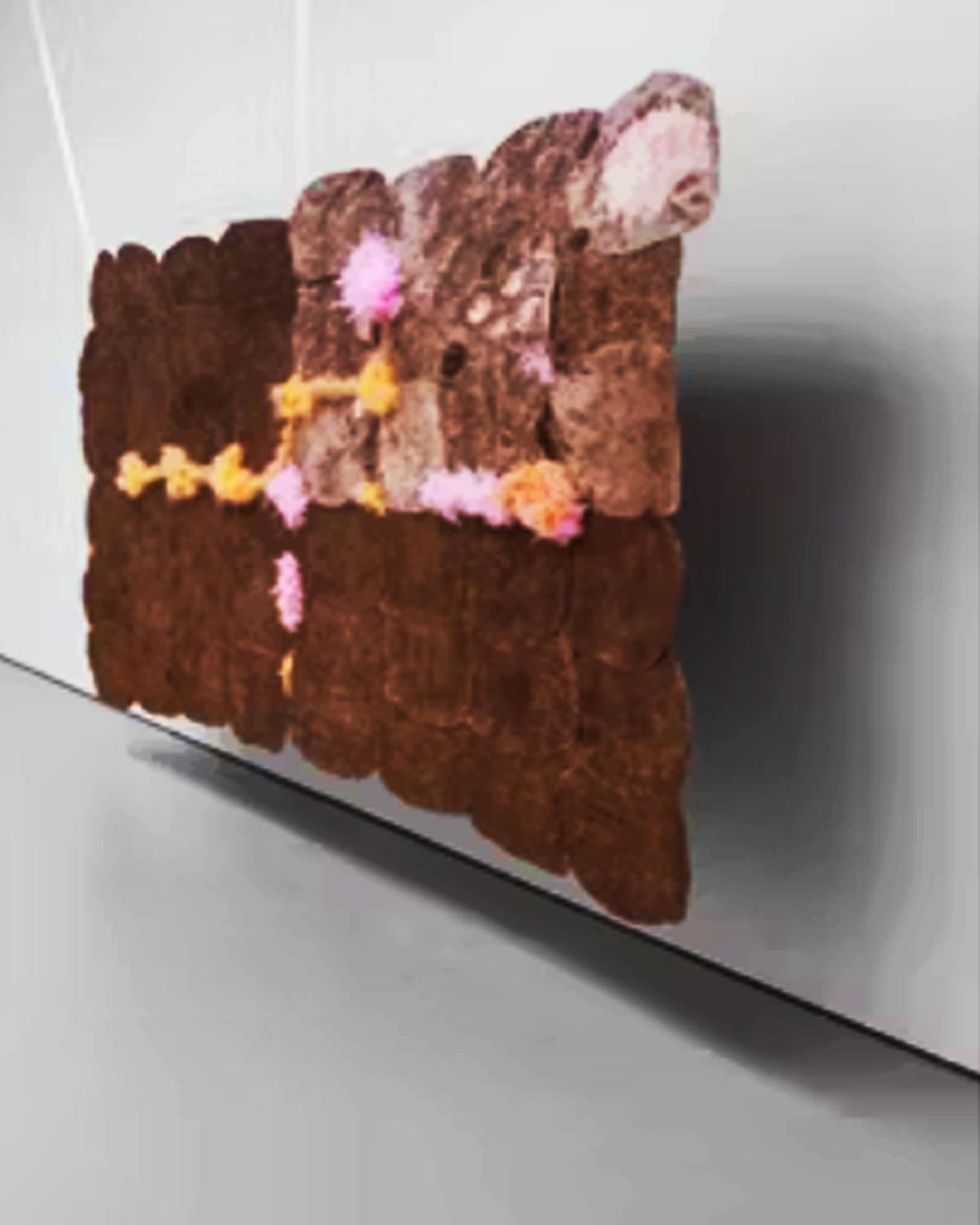
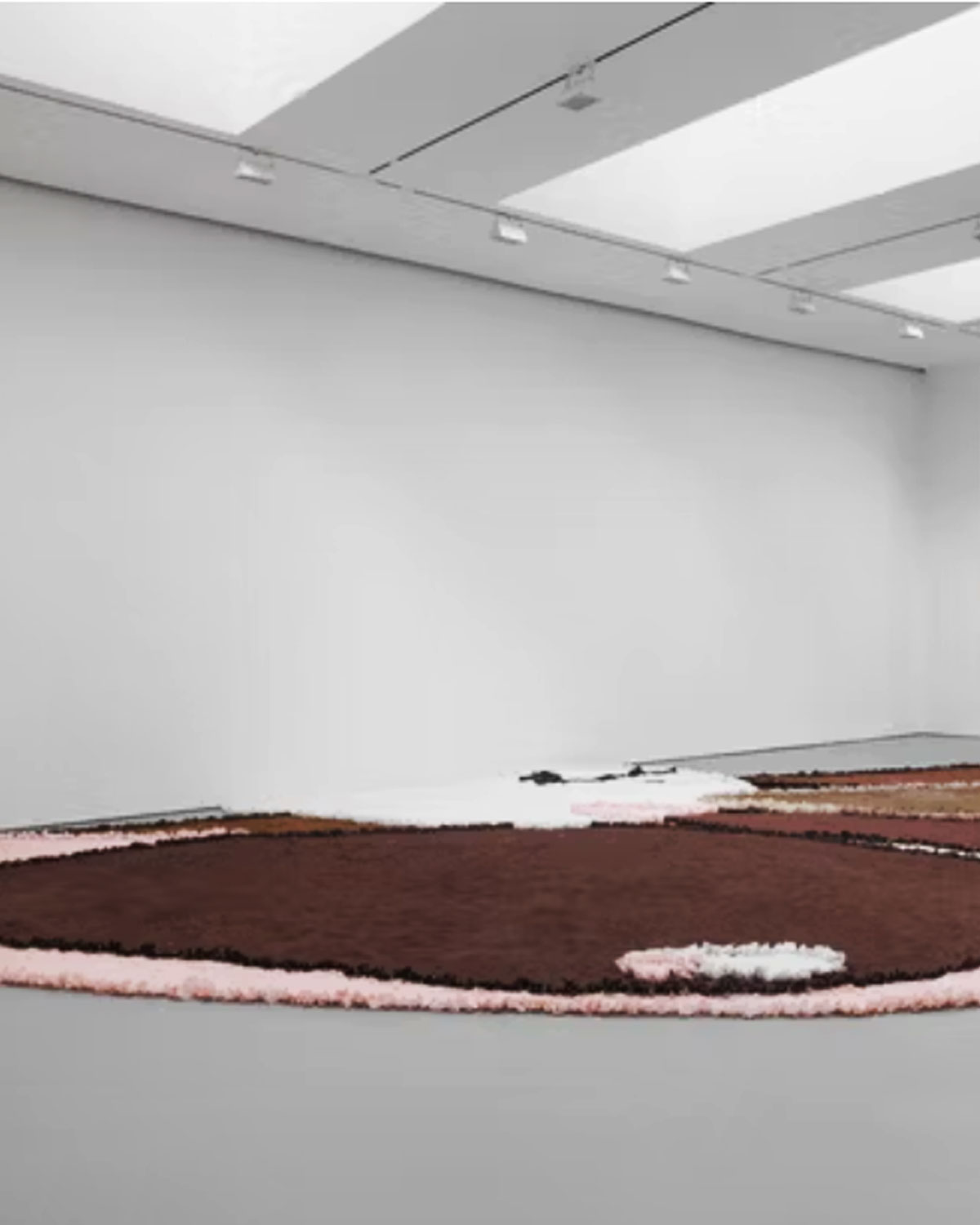
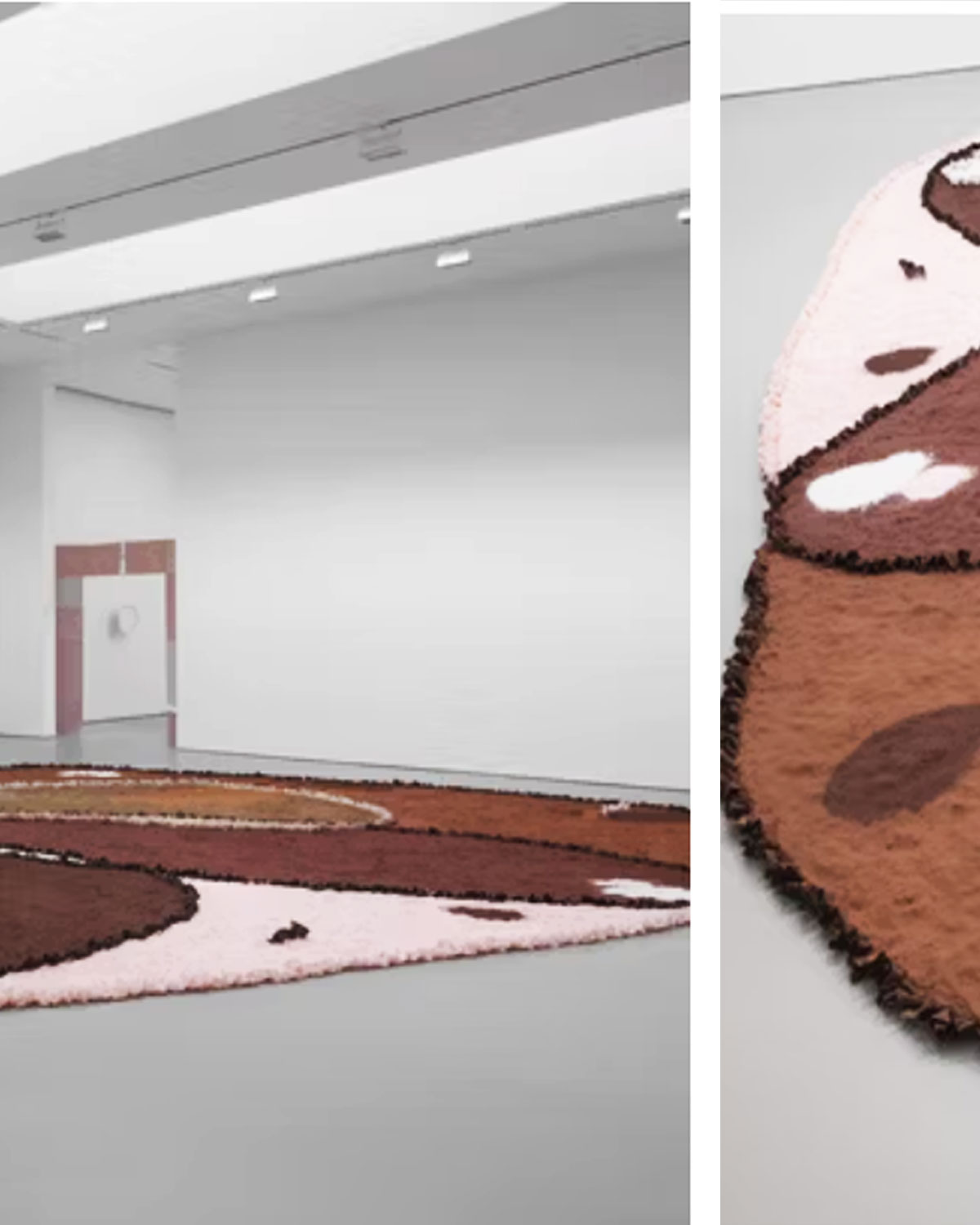
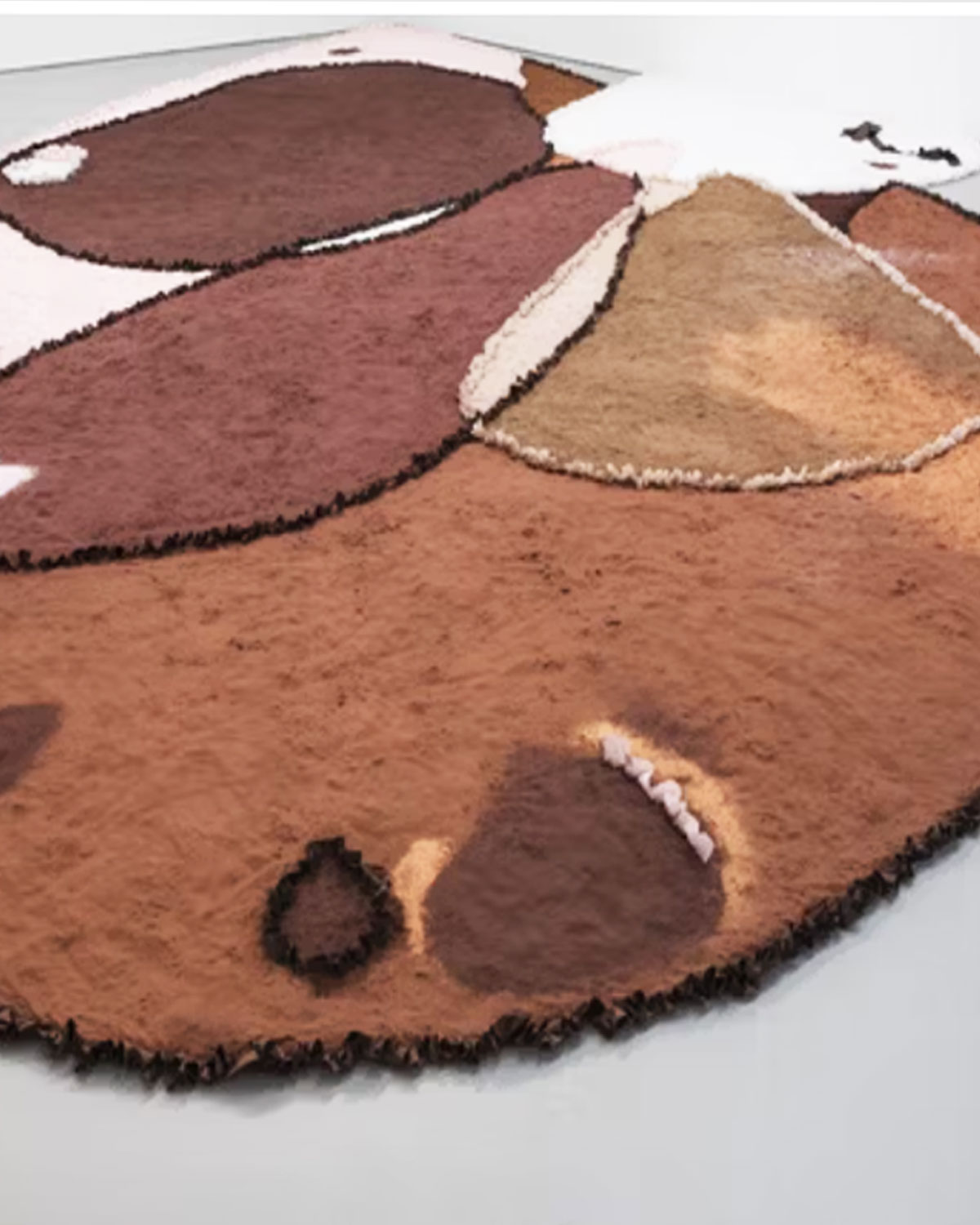
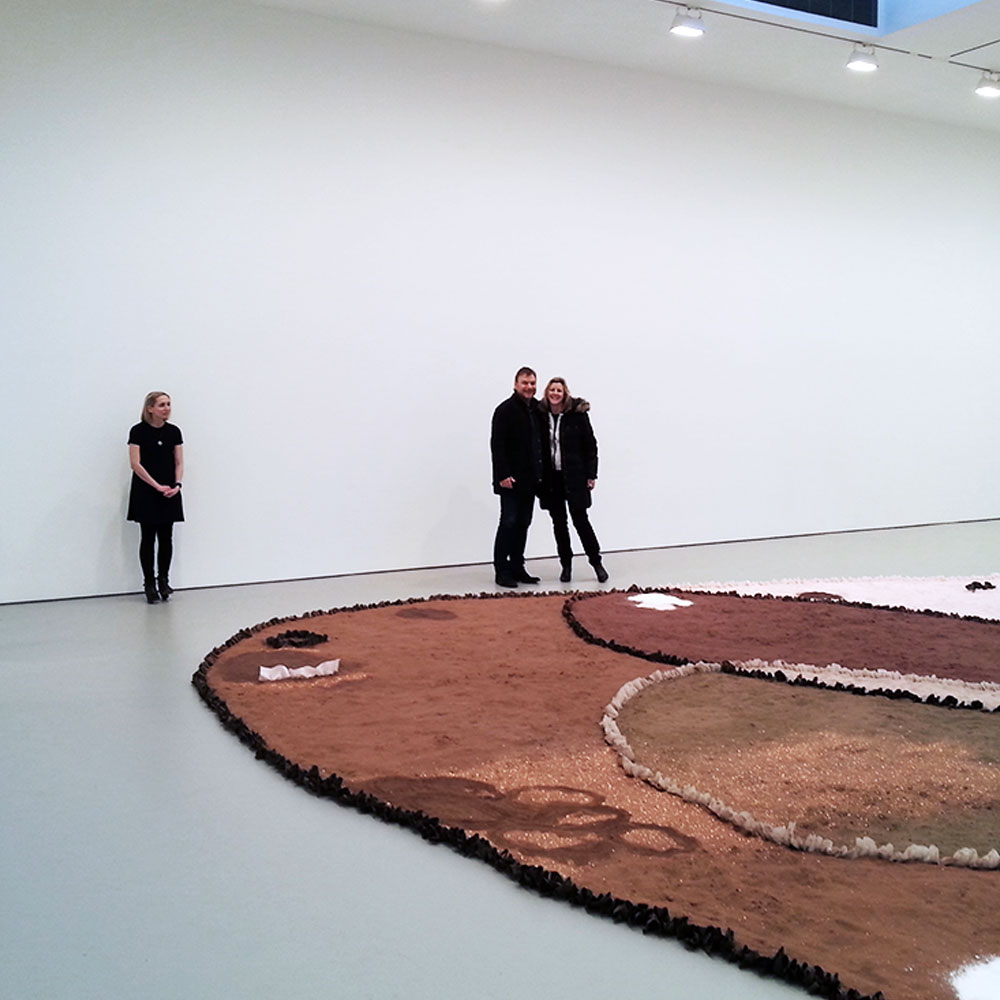
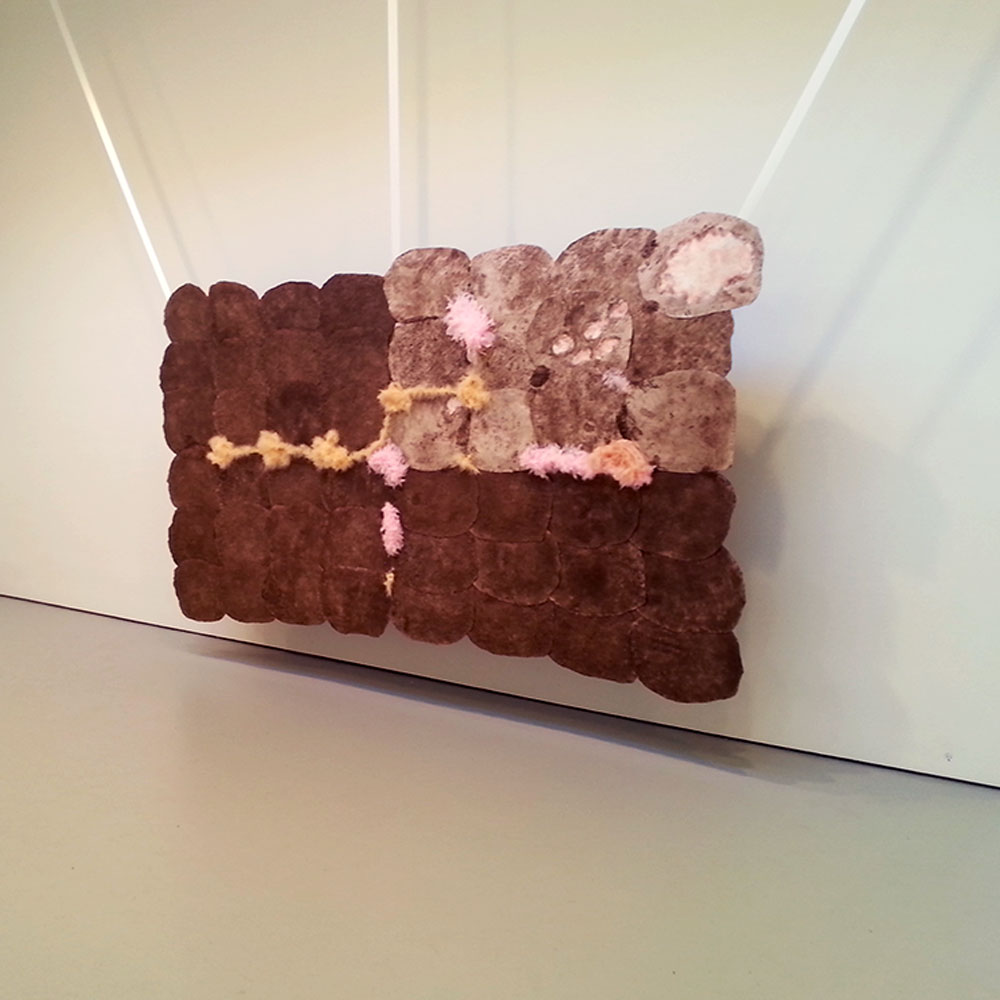
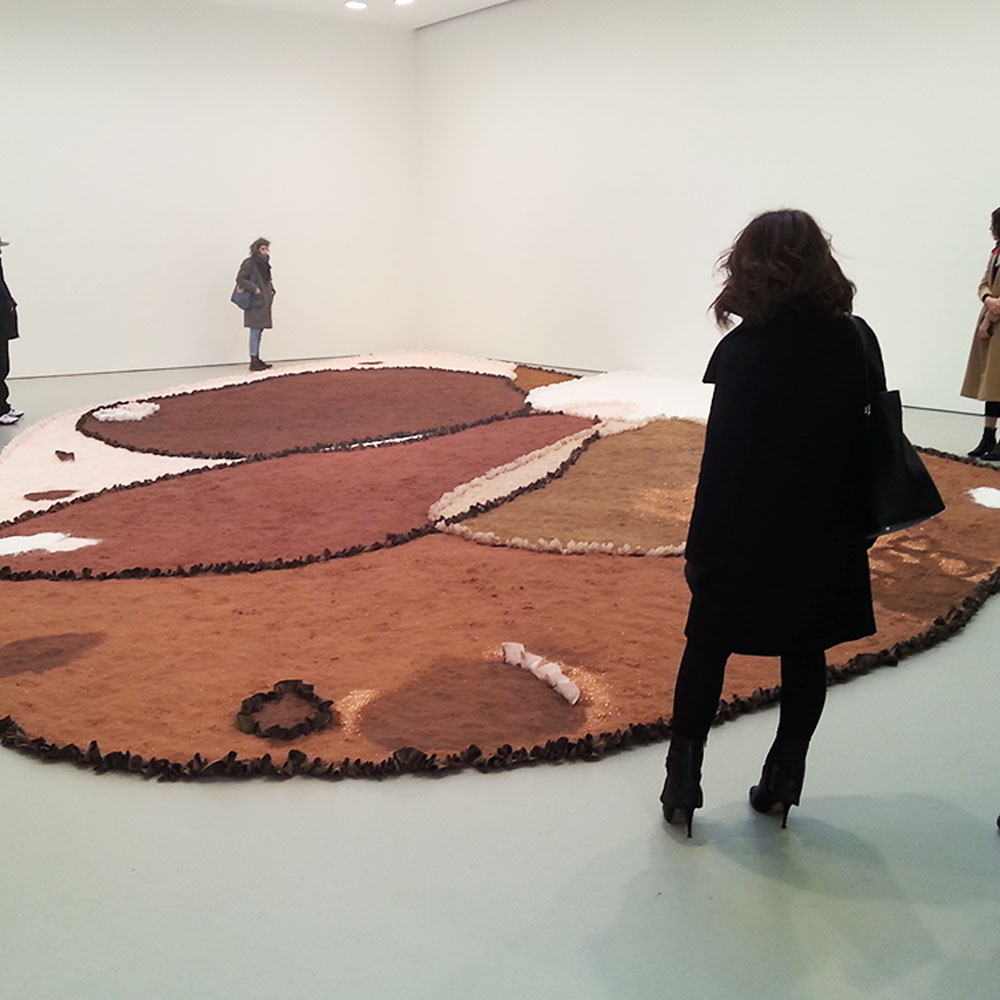
Karla BlackIn her second solo exhibition with David Zwirner, Scottish sculptor Karla Black continues her exploration of material as thought.
Her abstract, three‑dimensional works use physical substance—chalk, paper, paint, plaster—alongside everyday cosmetics and domestic
materials such as eye shadow, earth, ribbon, toilet paper, and cotton wool. Through these unlikely combinations, Black produces
objects that are simultaneously lush and austere, improvisational yet disciplined. Each piece interrogates what sculpture can be,
and how matter itself can carry meaning.
 Top
Top